Monzo Brand Style Guide 2022 / Guideline

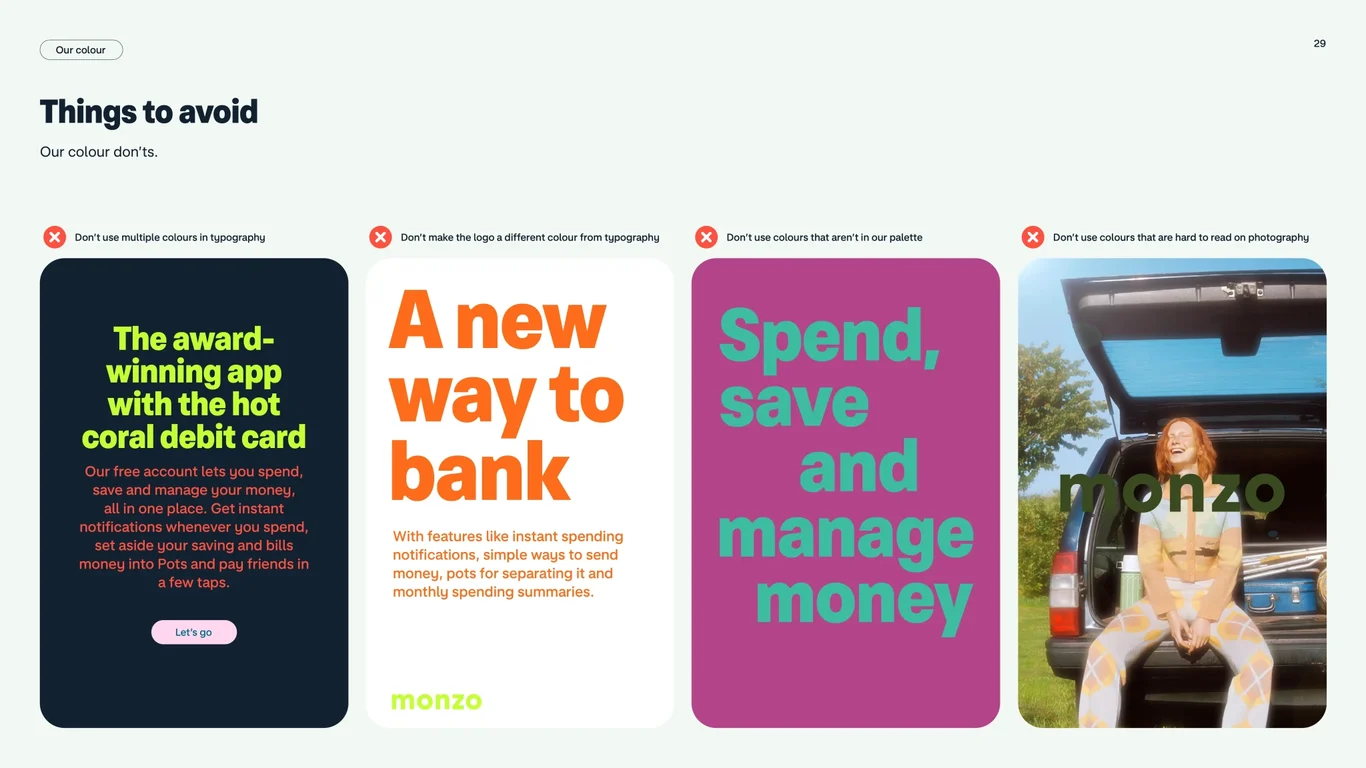
Guidelines restrict using colors that suggest different branding, copying colors

Guidelines restrict using colors that suggest different branding, copying colors in text, starting with color-only content, or using colors with unvetted imagery without proper review

Slide 29 of 82
  1. Monzo Style Guide August 2022 01
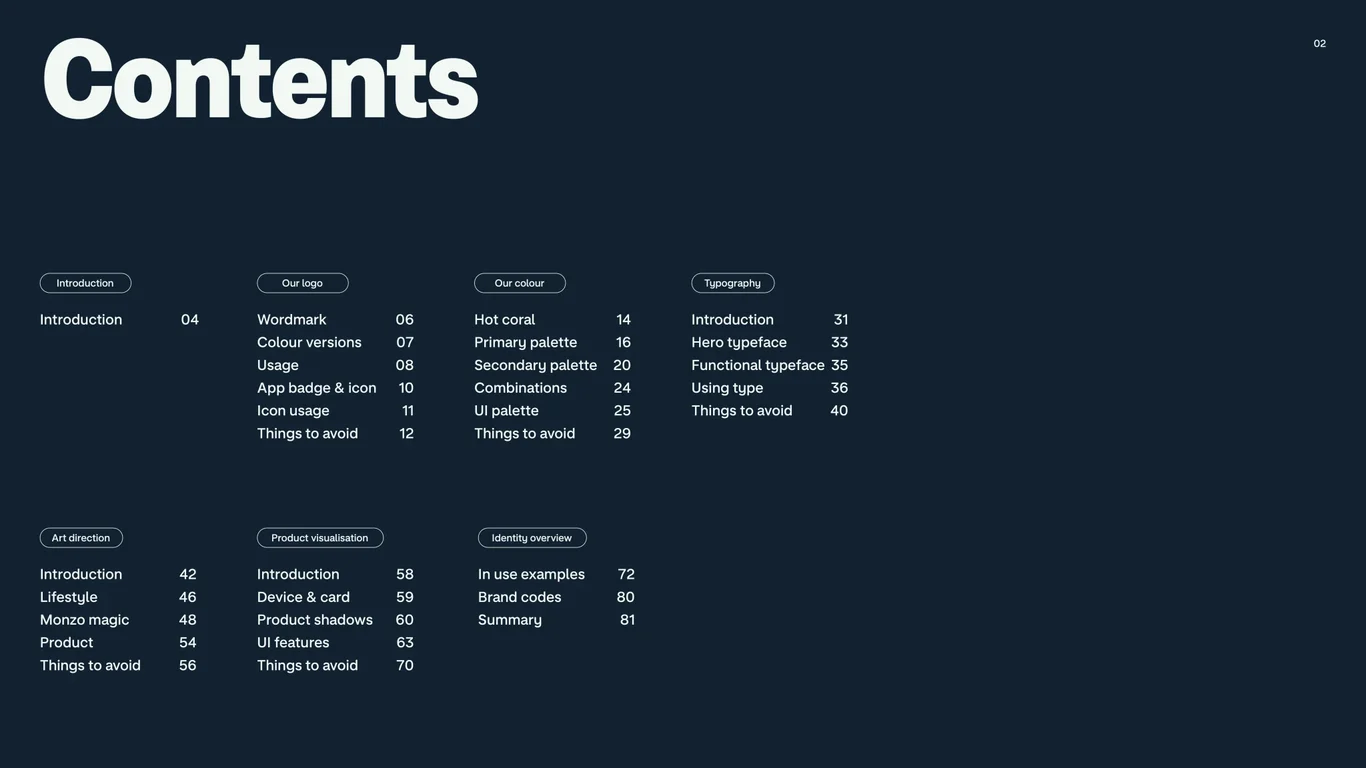
  2. Contents outline ten sections: introduction, logo, color, typefaces, art direction 02
  3. Guide Introduction and Purpose 03
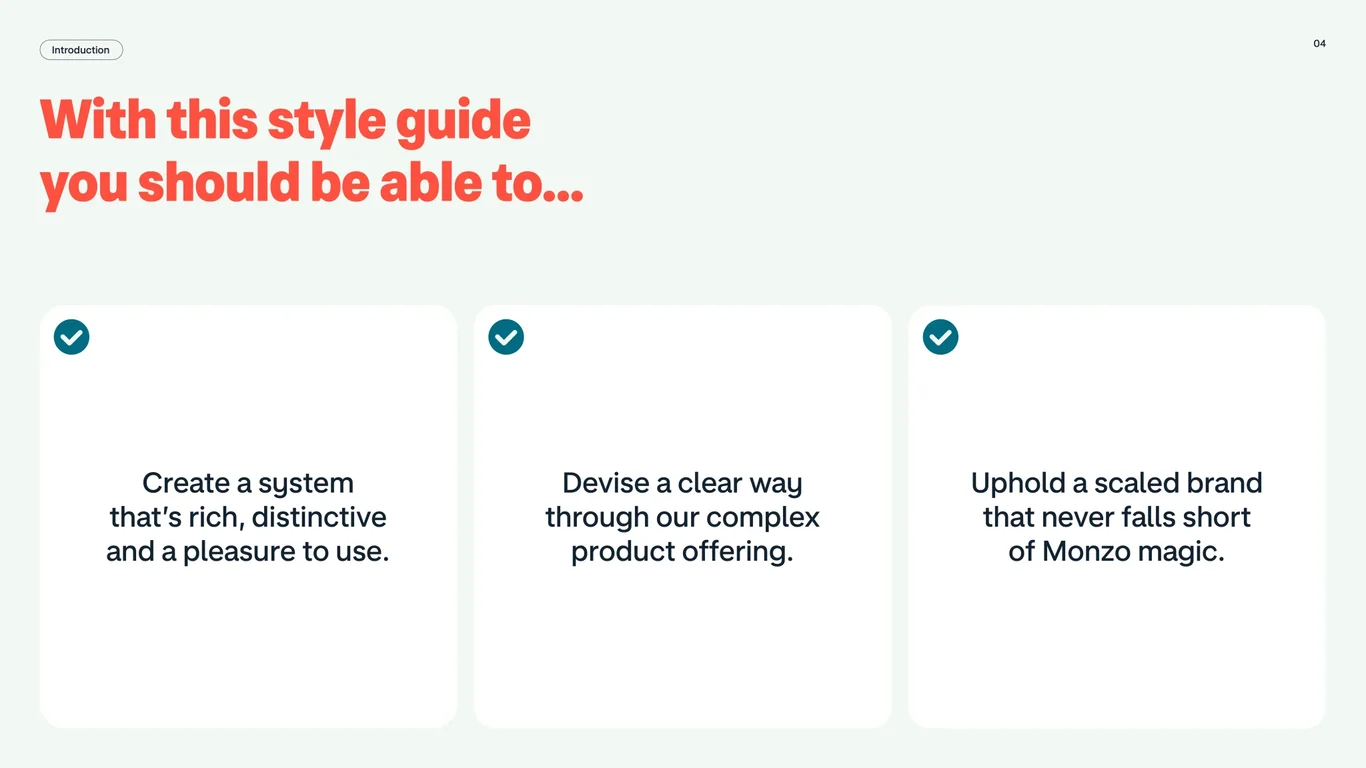
  4. Guide objectives for Monzo brand 04
  5. Logo System and Wordmark 05
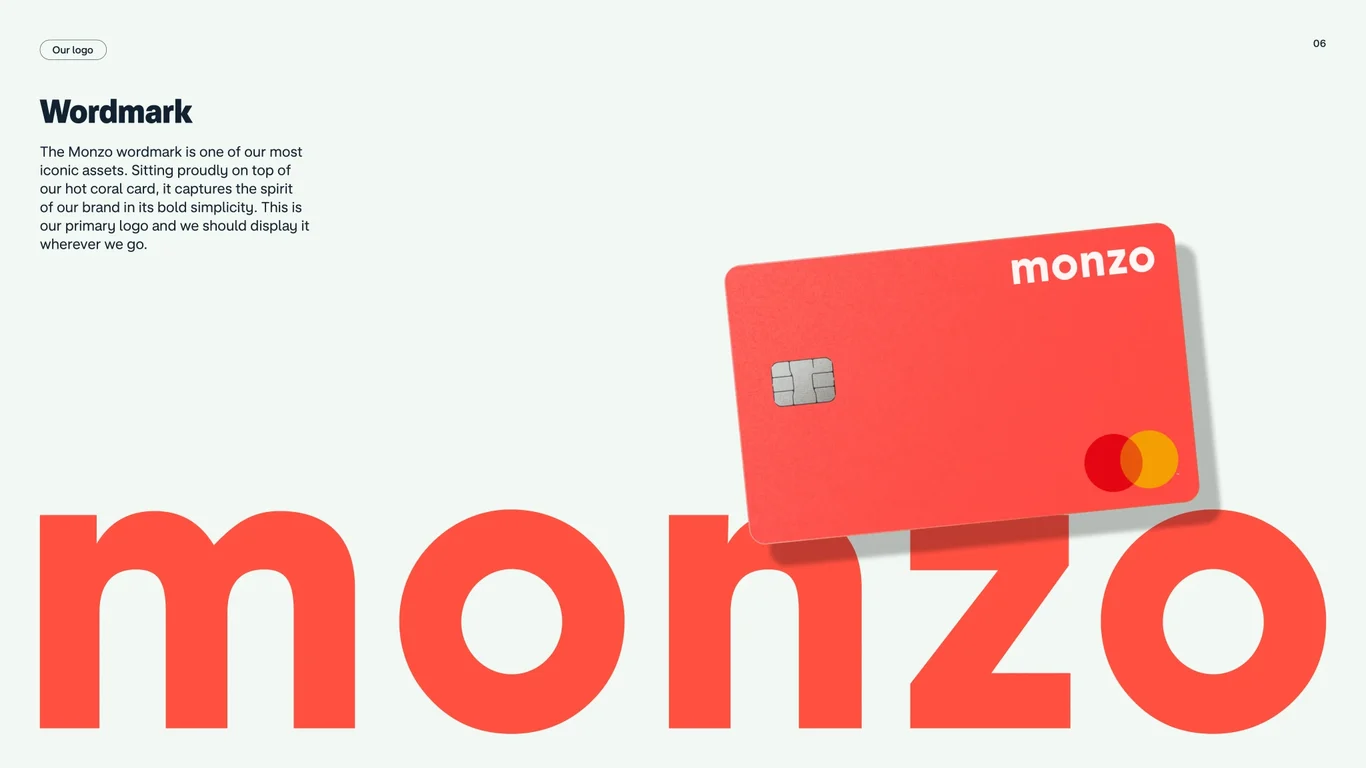
  6. Monzo wordmark as primary logo asset 06
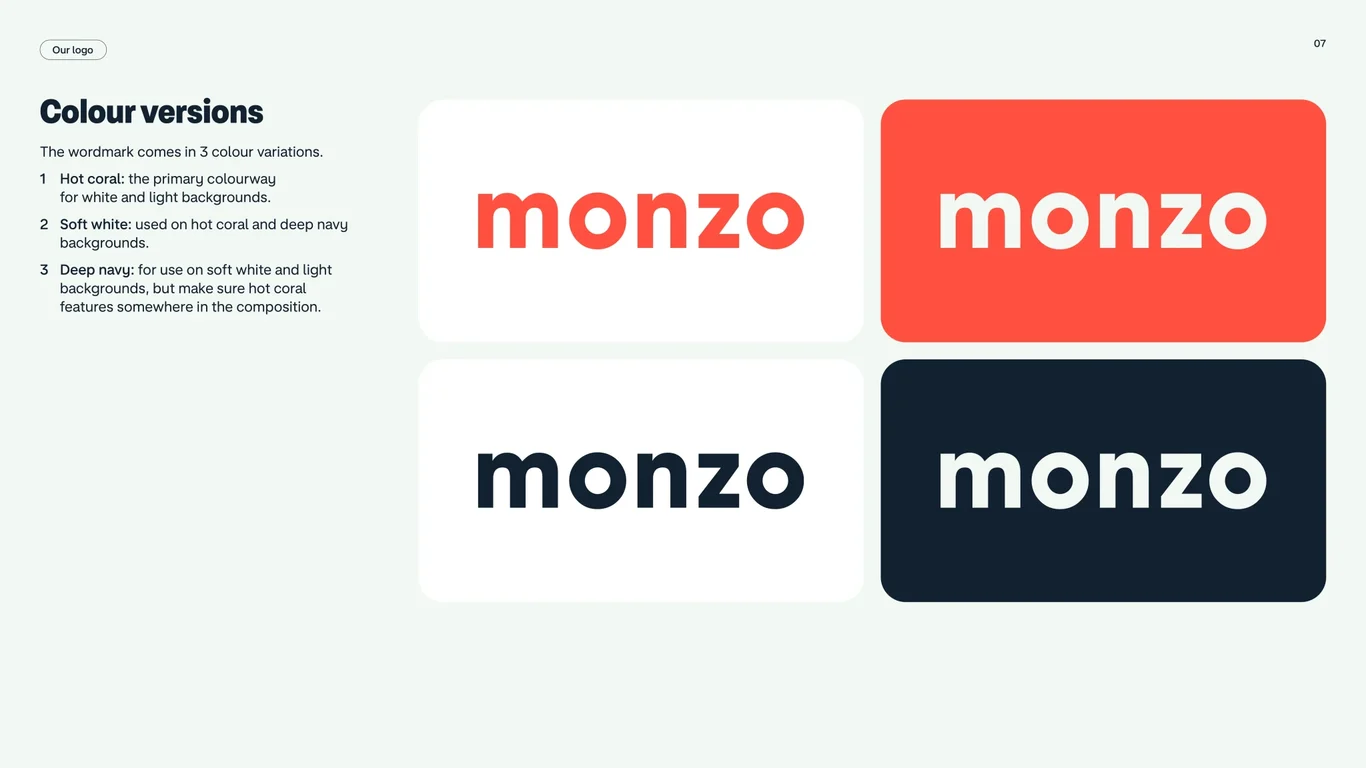
  7. The wordmark comes in three color variations: hot coral 07
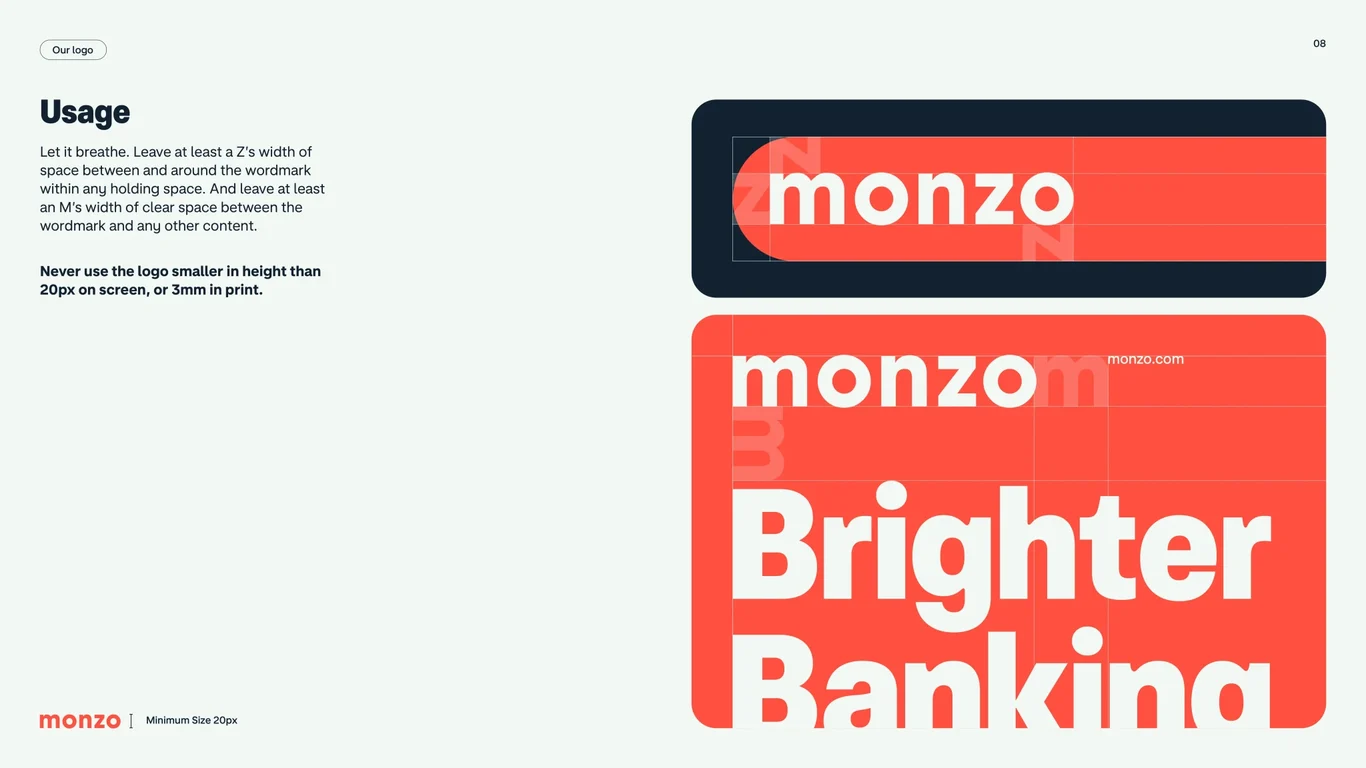
  8. Wordmark usage and spacing 08
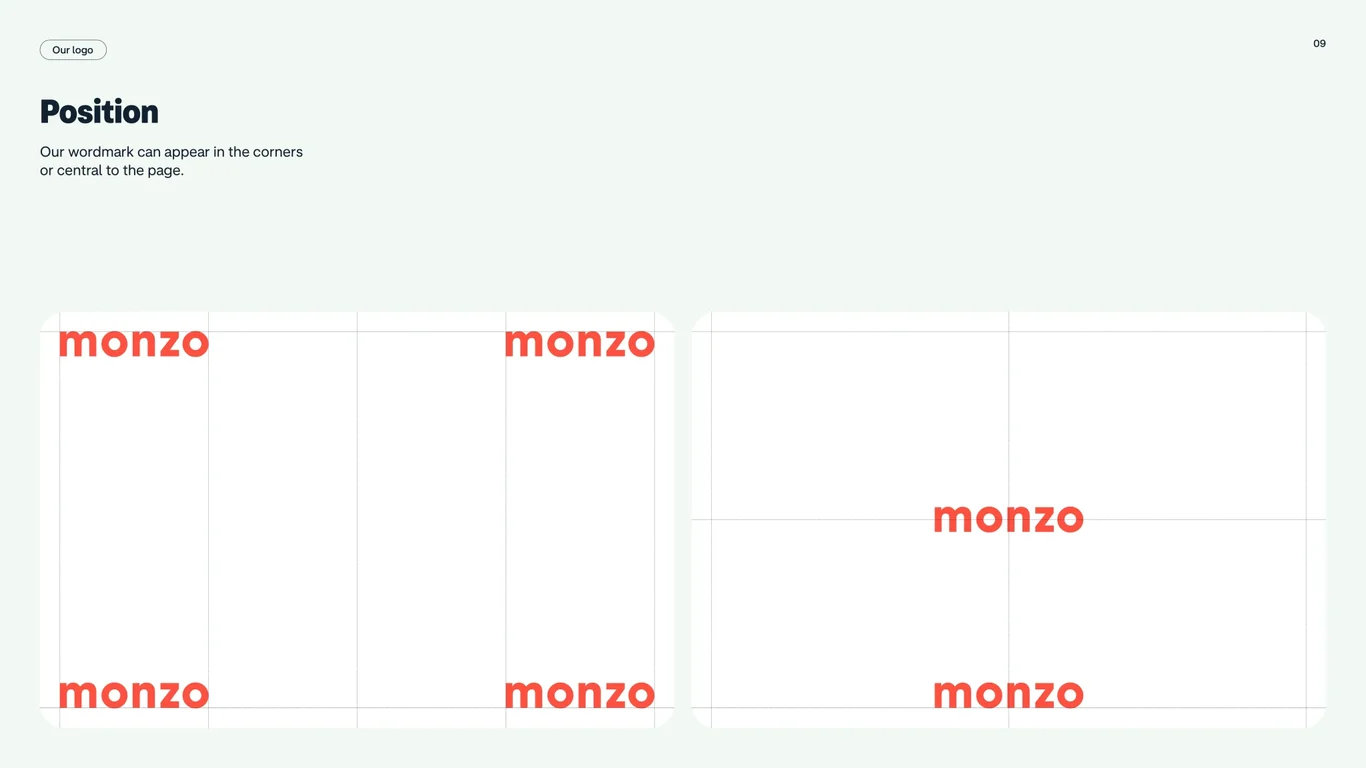
  9. The Monzo wordmark can appear in corners or central positions 09
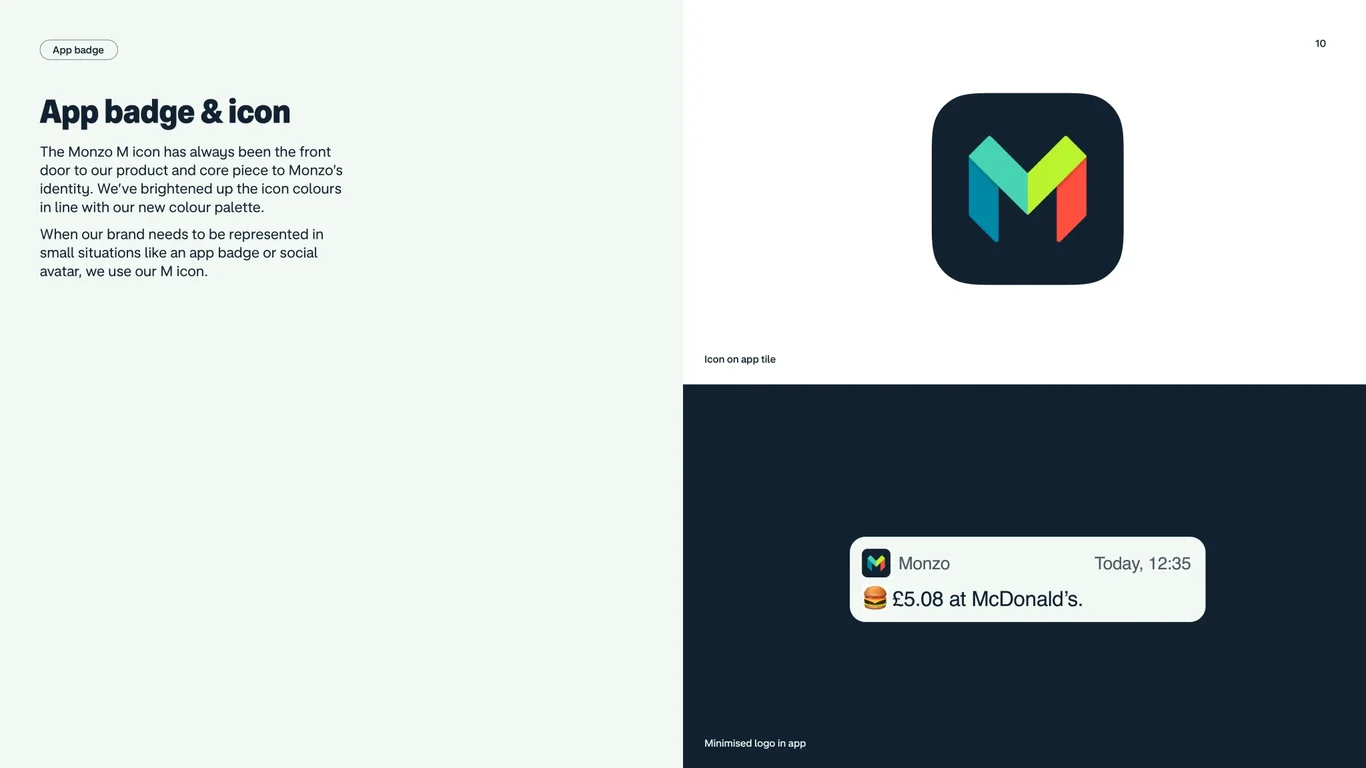
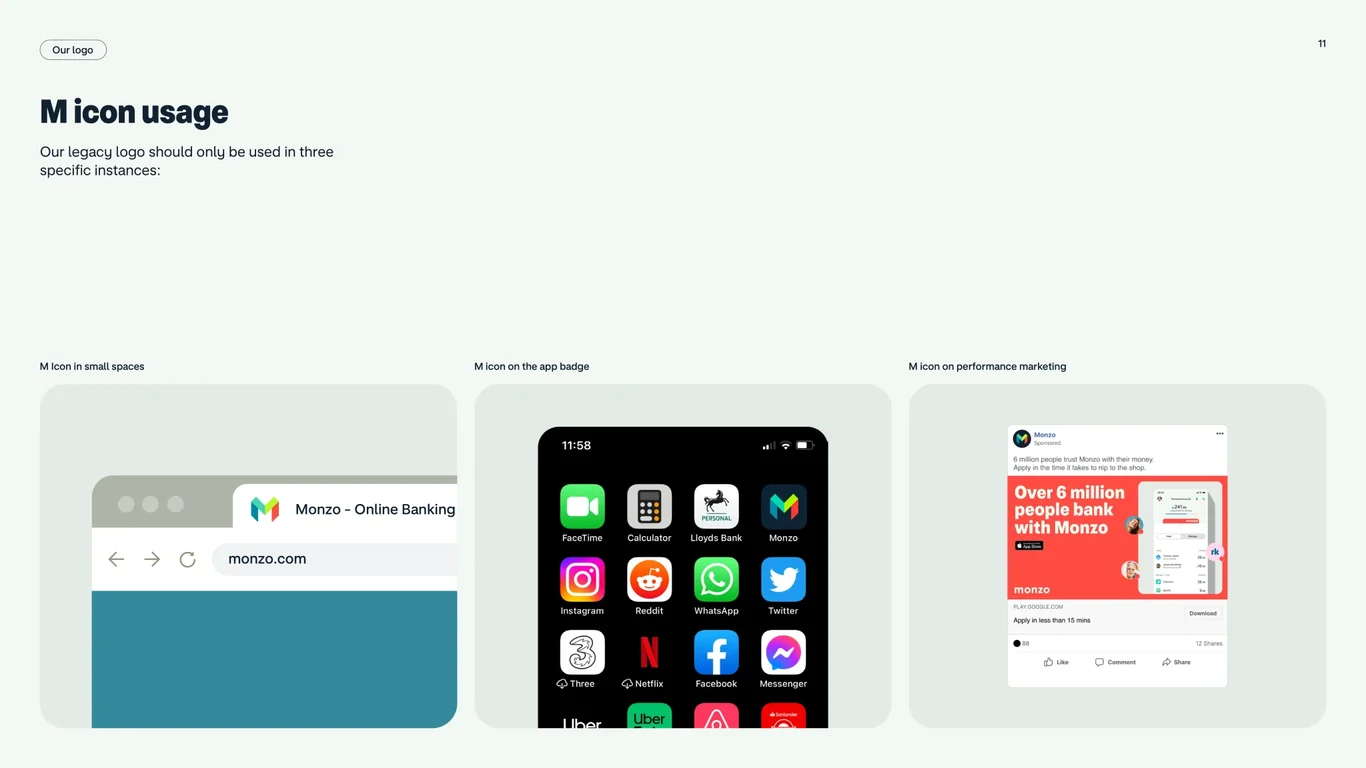
  10. M icon usage in specific contexts 11
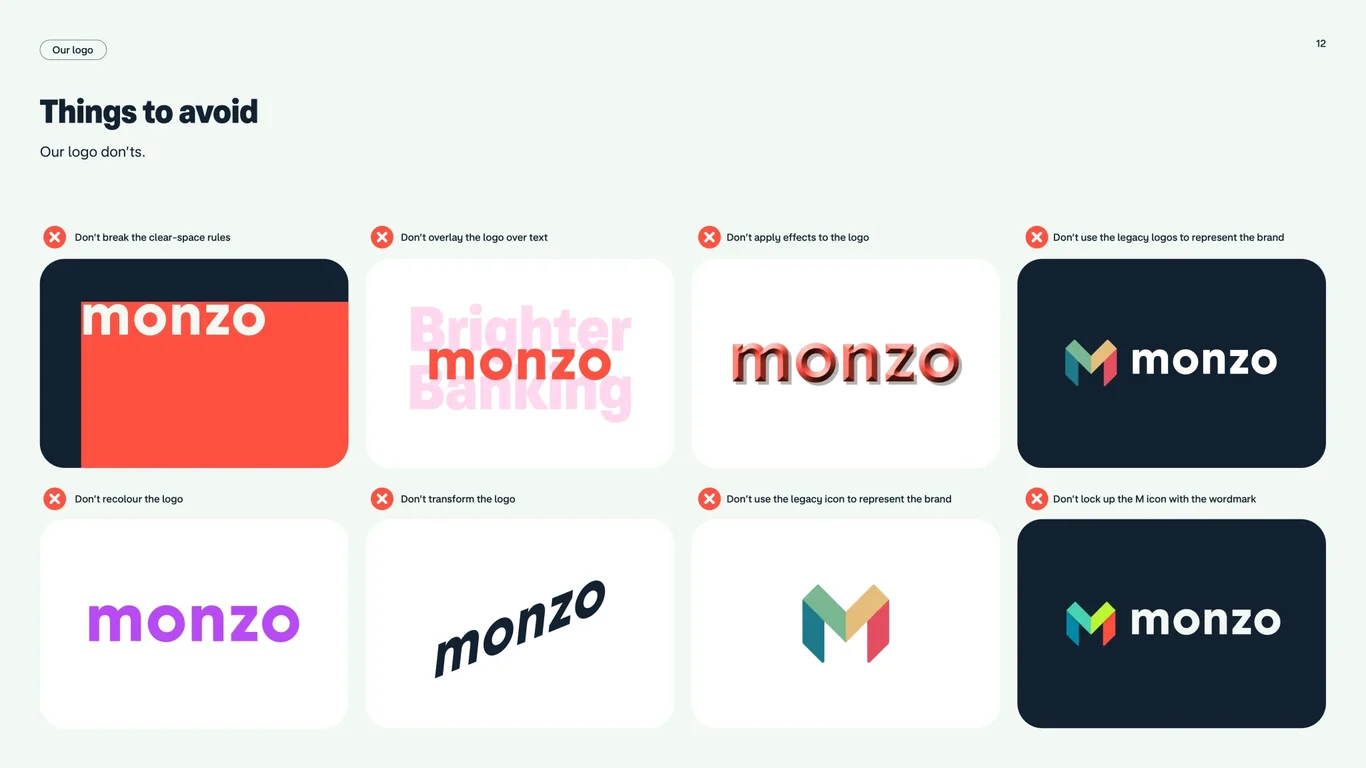
  11. Logo dos and don'ts 12
  12. Color Palette System Overview 13
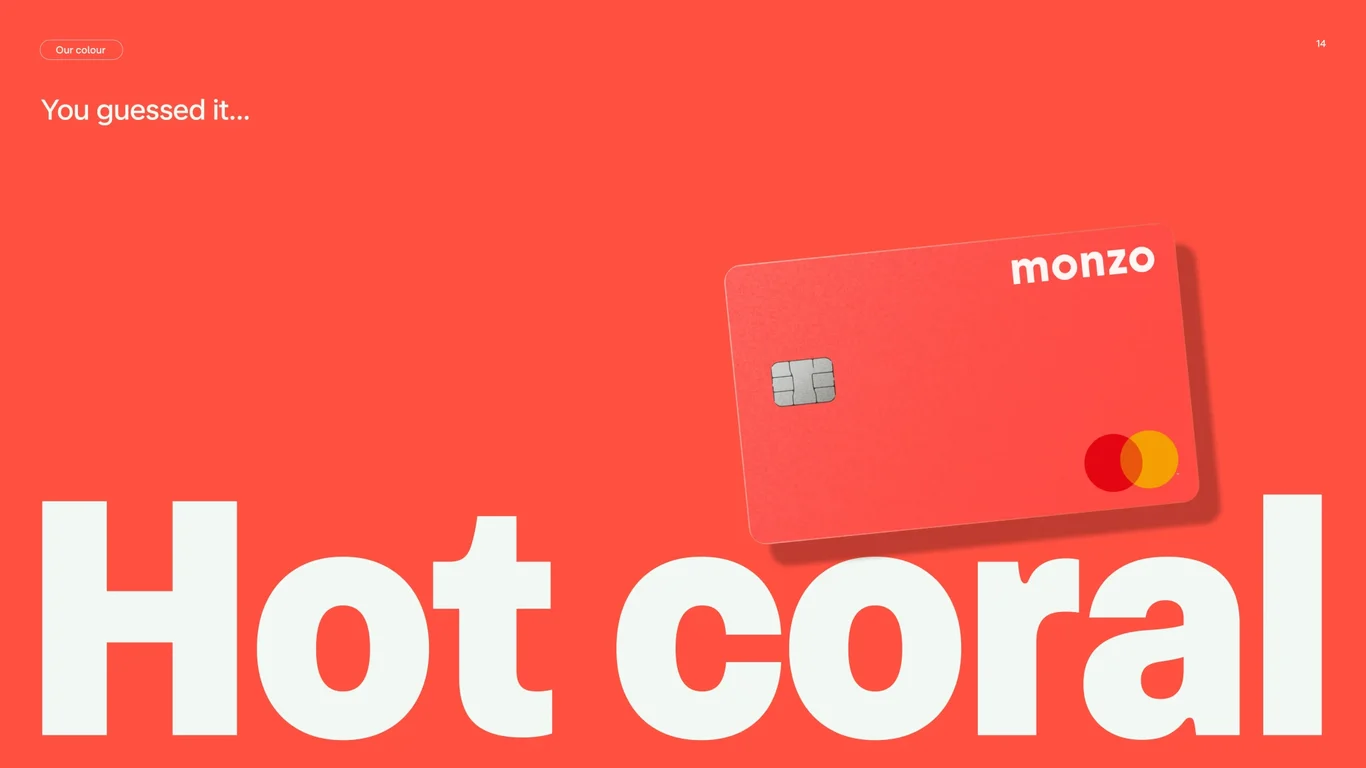
  13. Hot coral as primary brand color 14
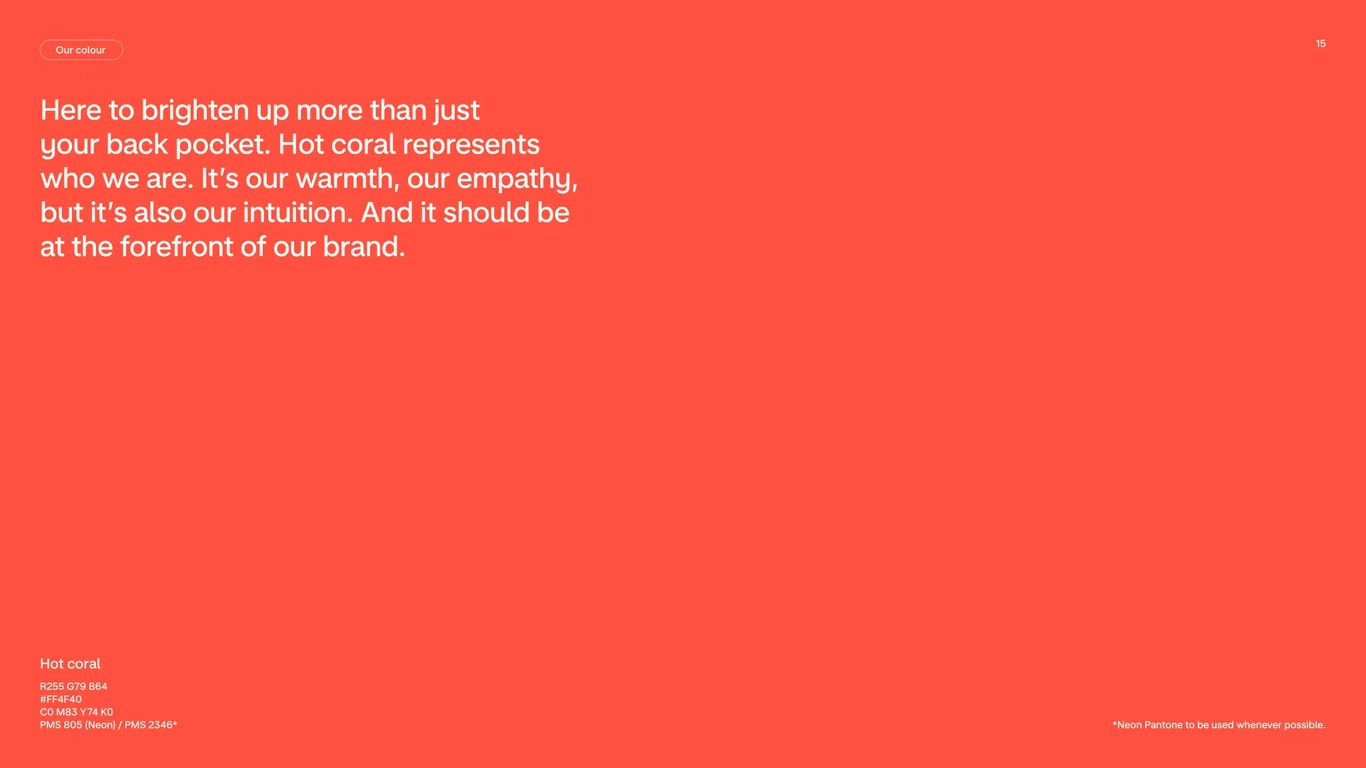
  14. Hot coral brand meaning and application 15
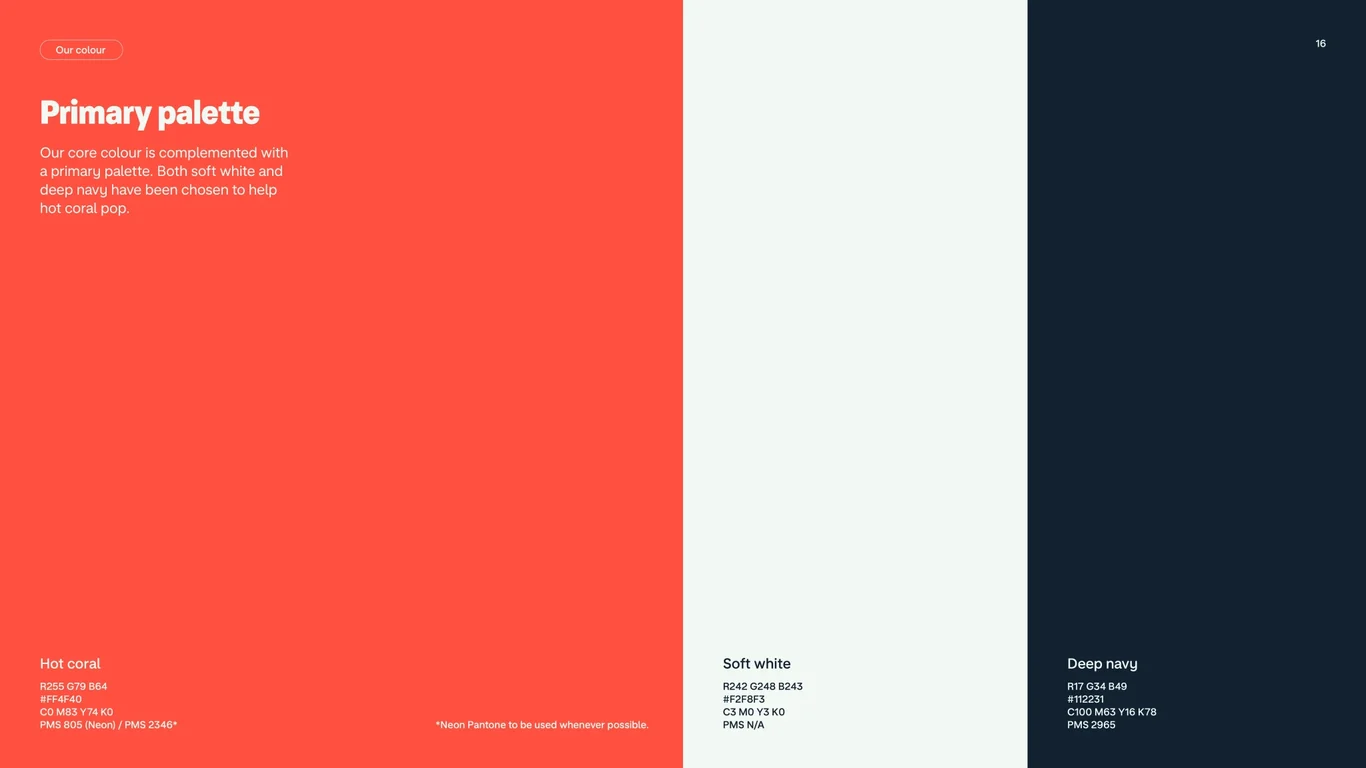
  15. Primary Color Palette Specifications 16
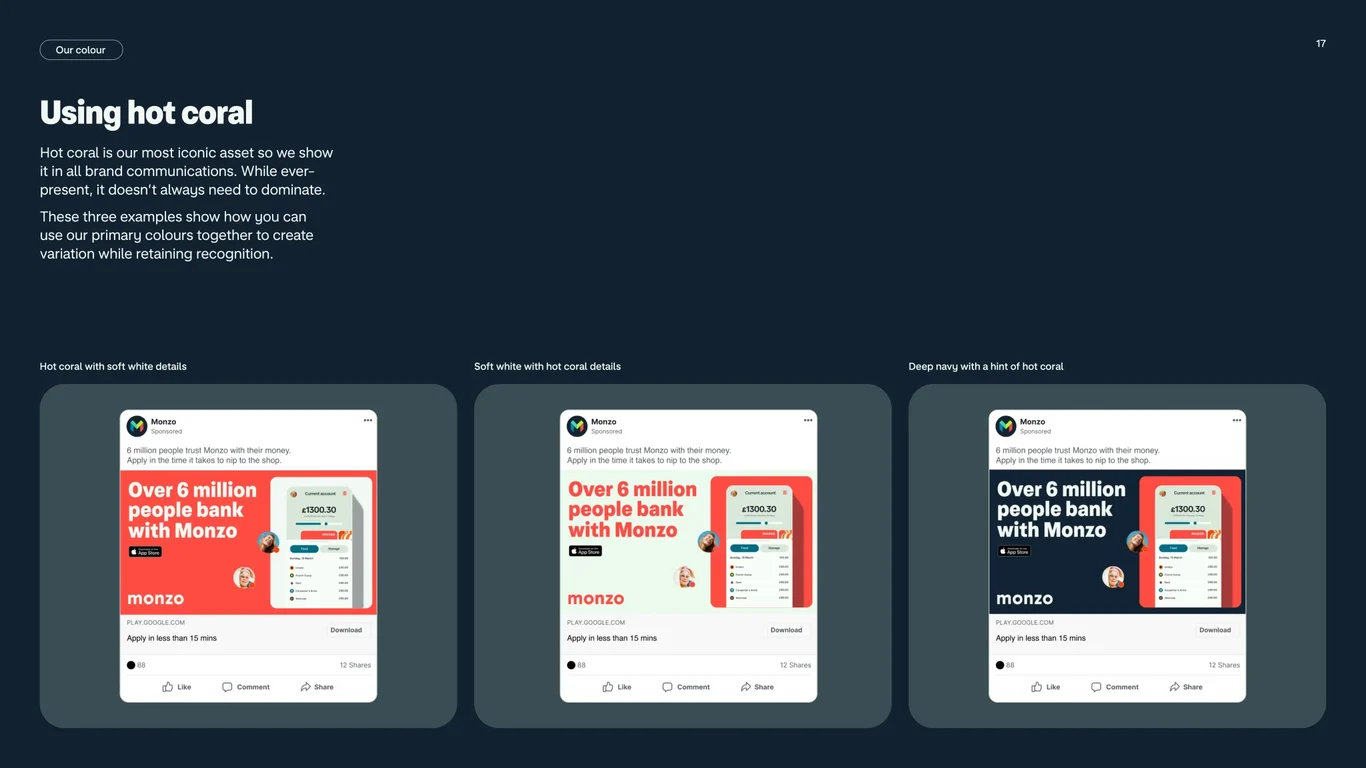
  16. Hot Coral Color Combinations 17
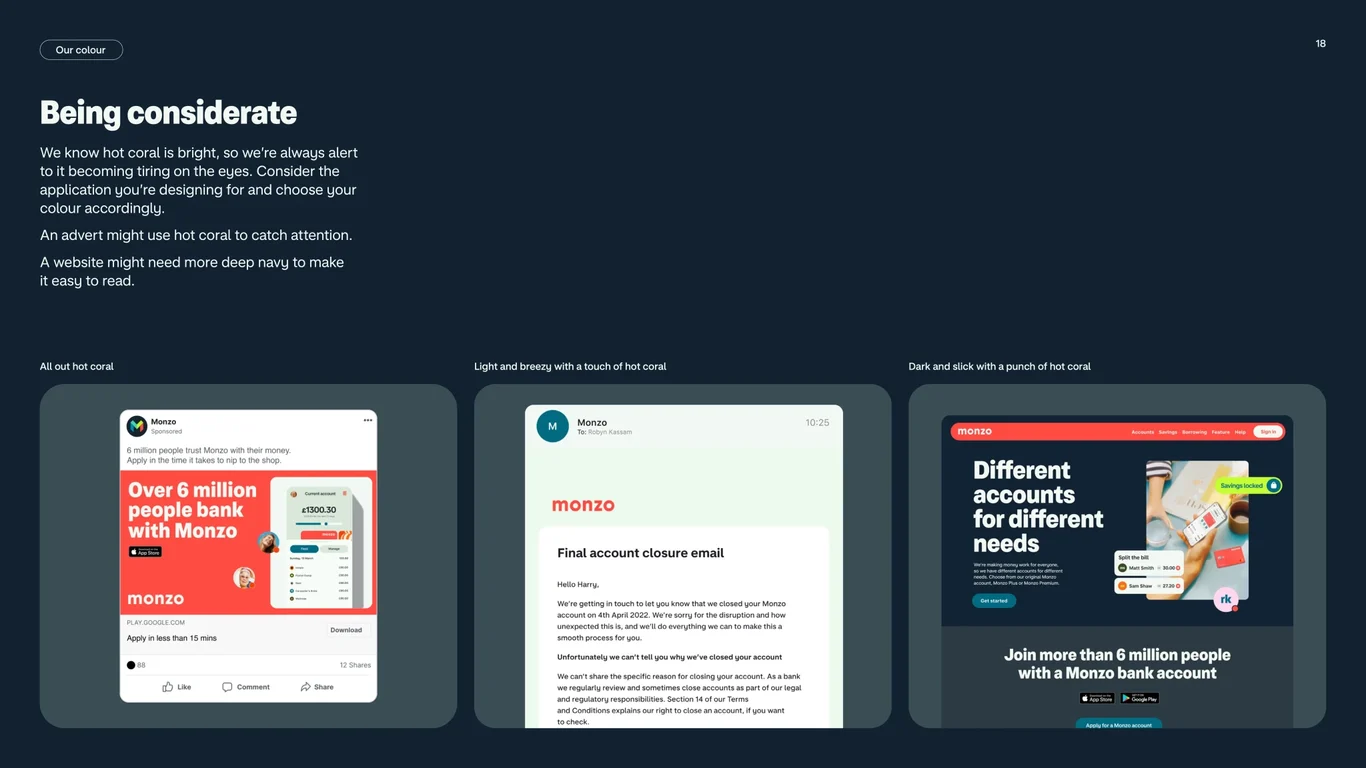
  17. Considerate Color Use Principles 18
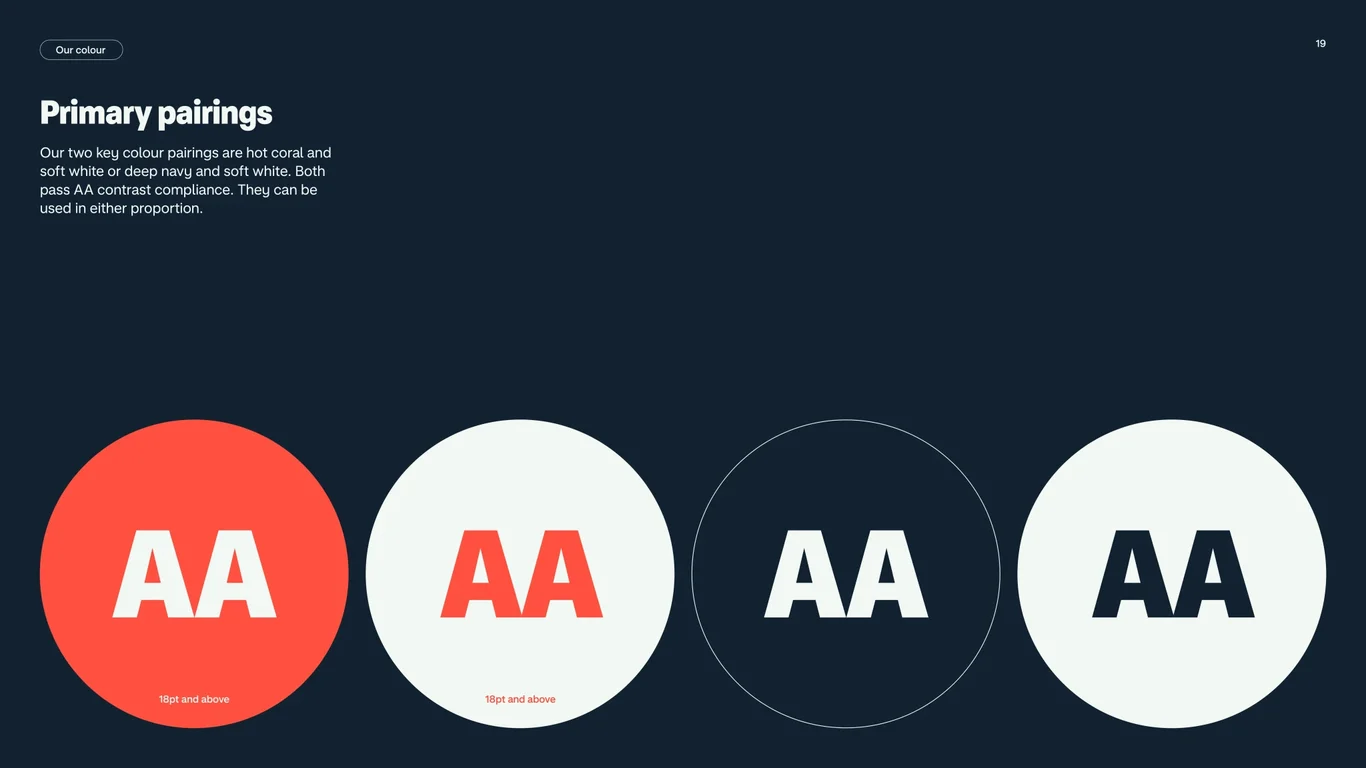
  18. Primary Color Pairings with Contrast 19
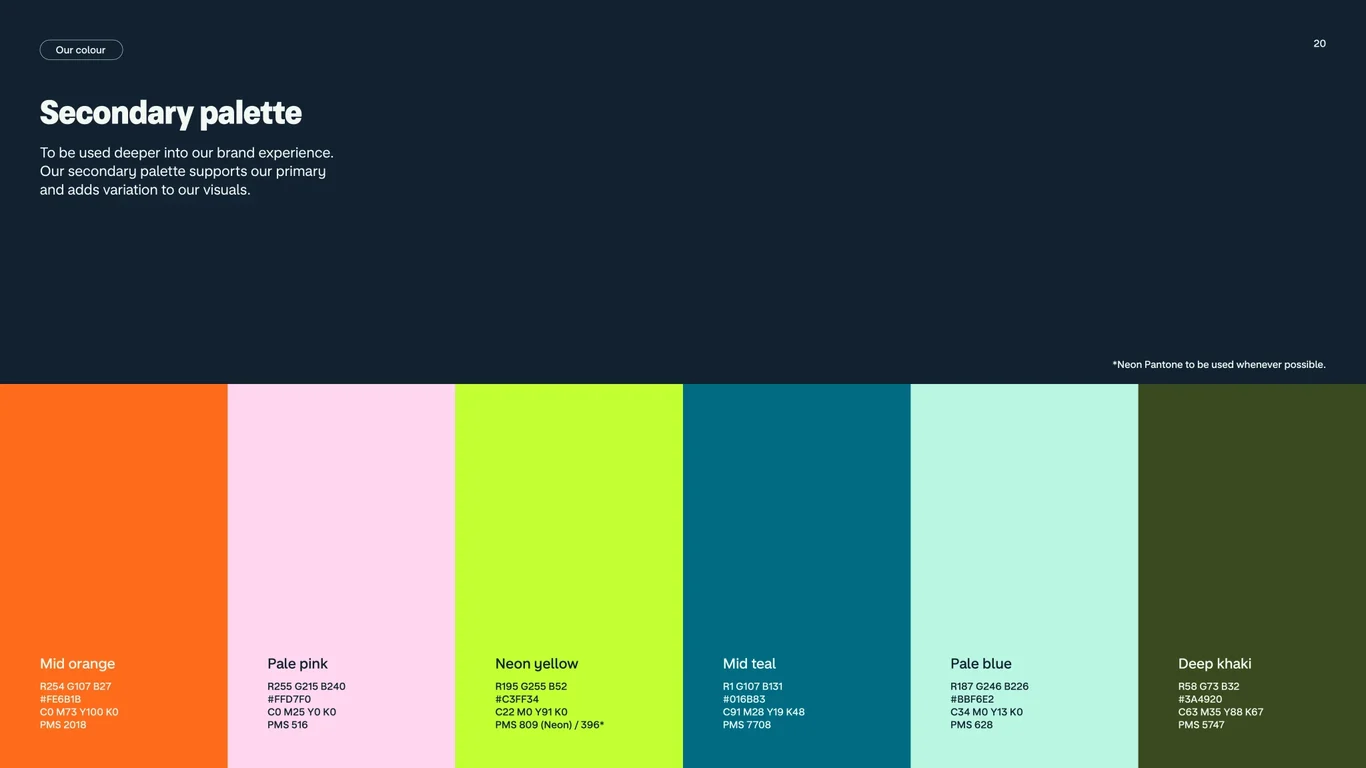
  19. Secondary palette for visual variation 20
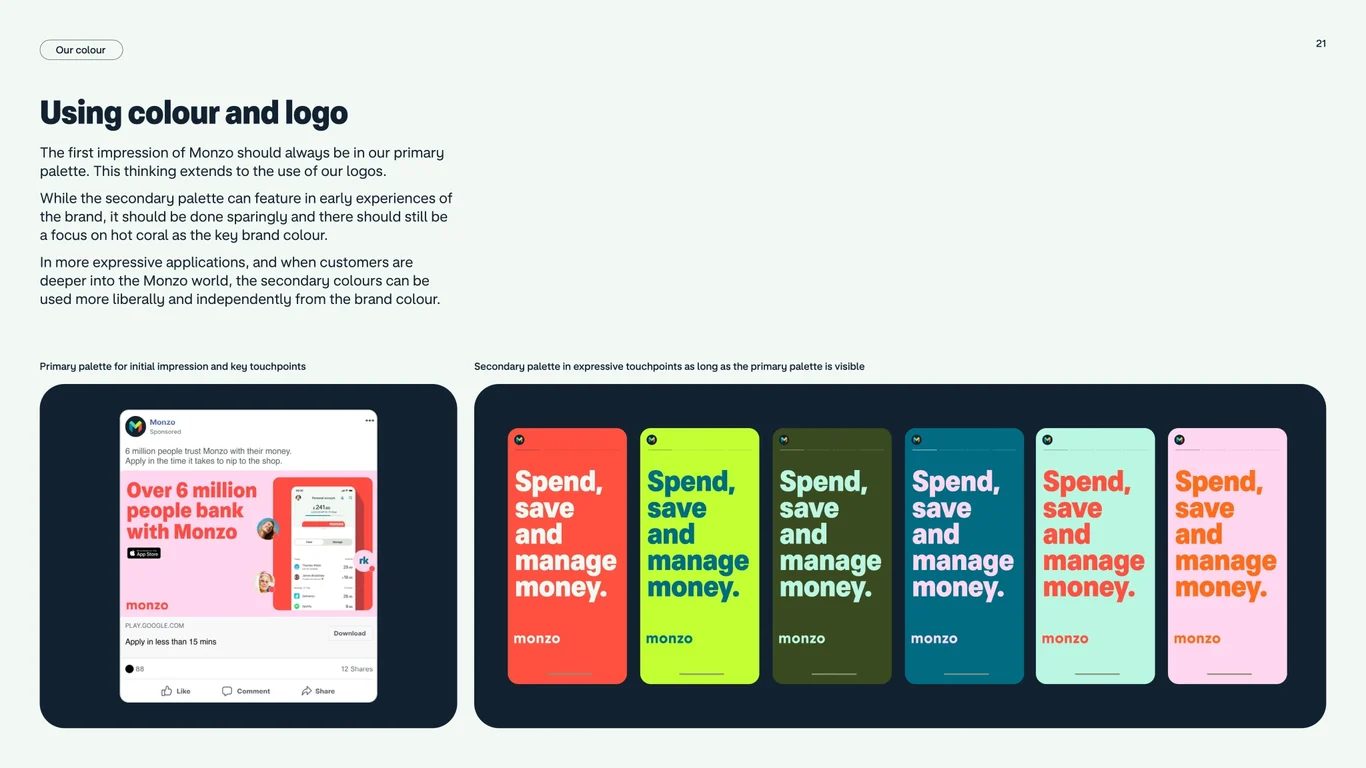
  20. Color palette combinations in use 21
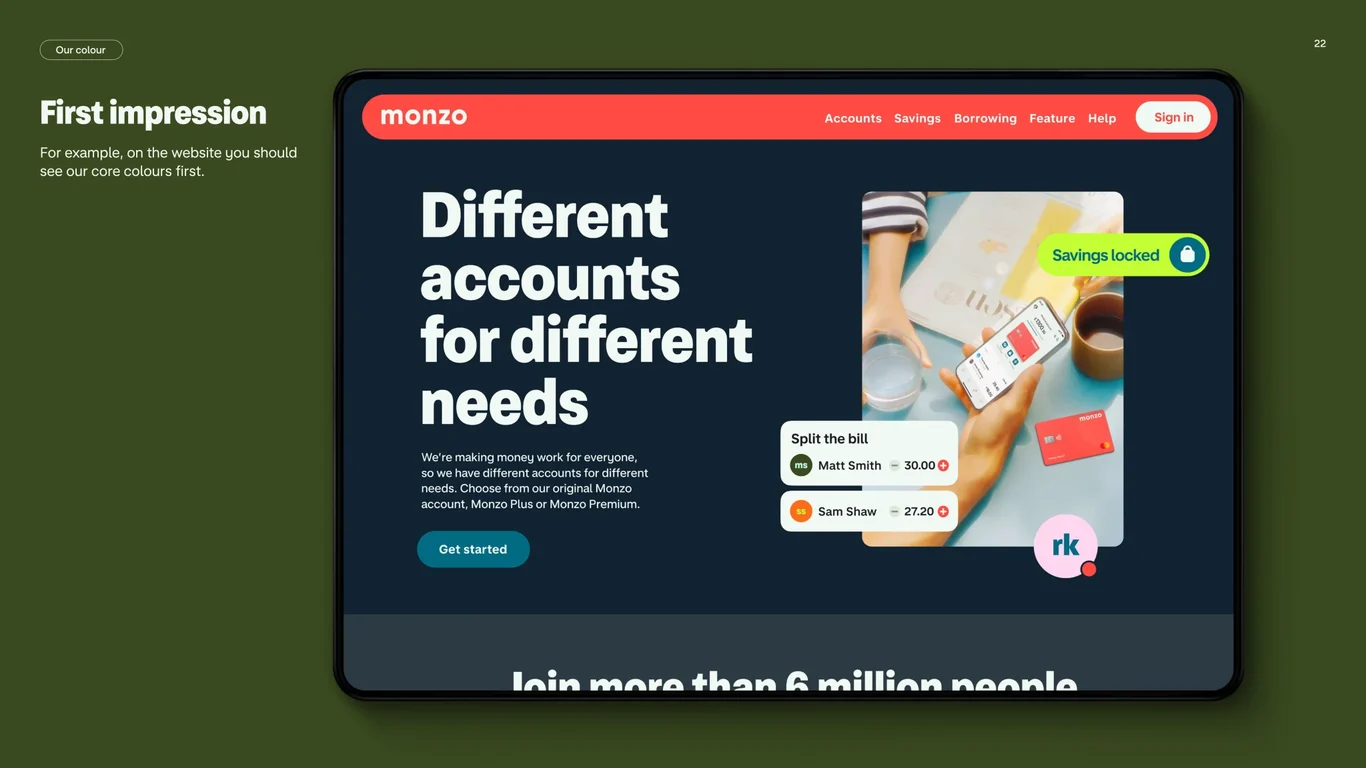
  21. First Impression Color Application 22
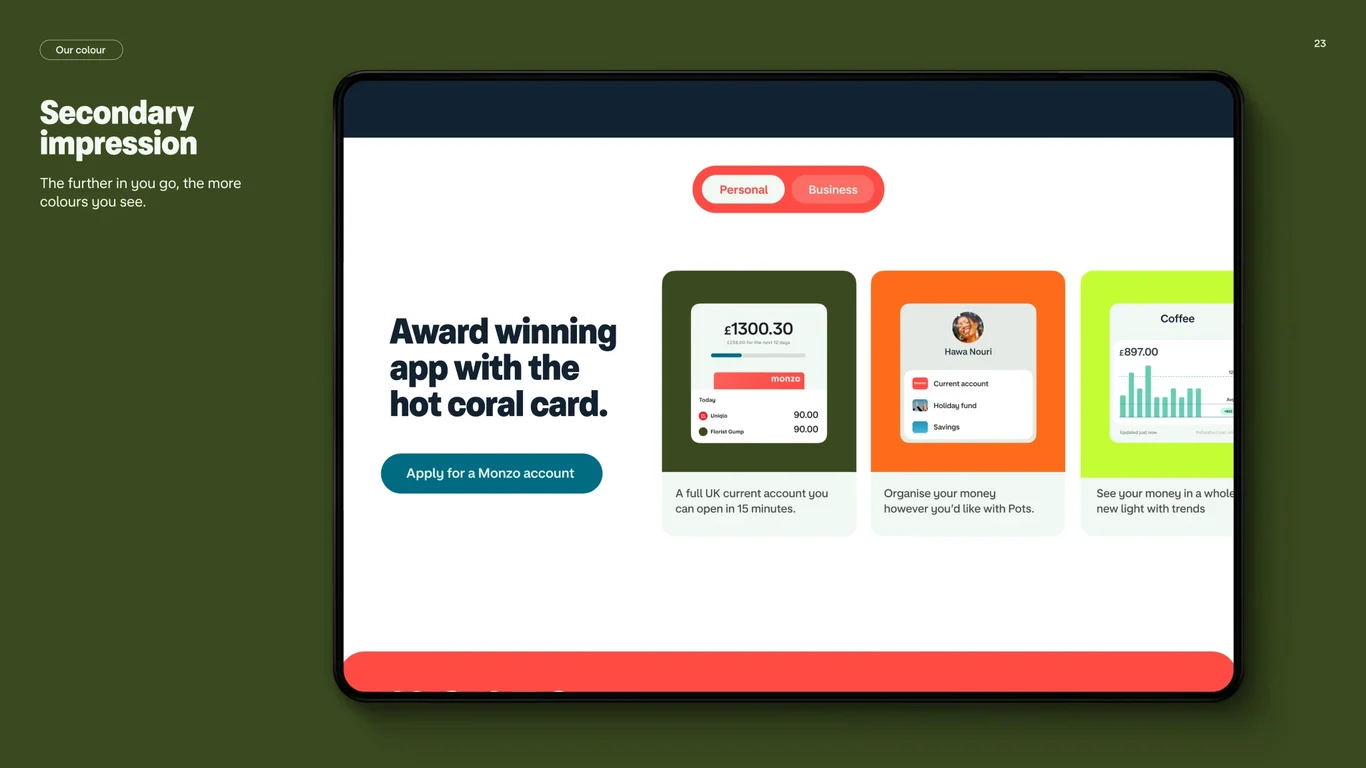
  22. Secondary impression: extended color palette 23
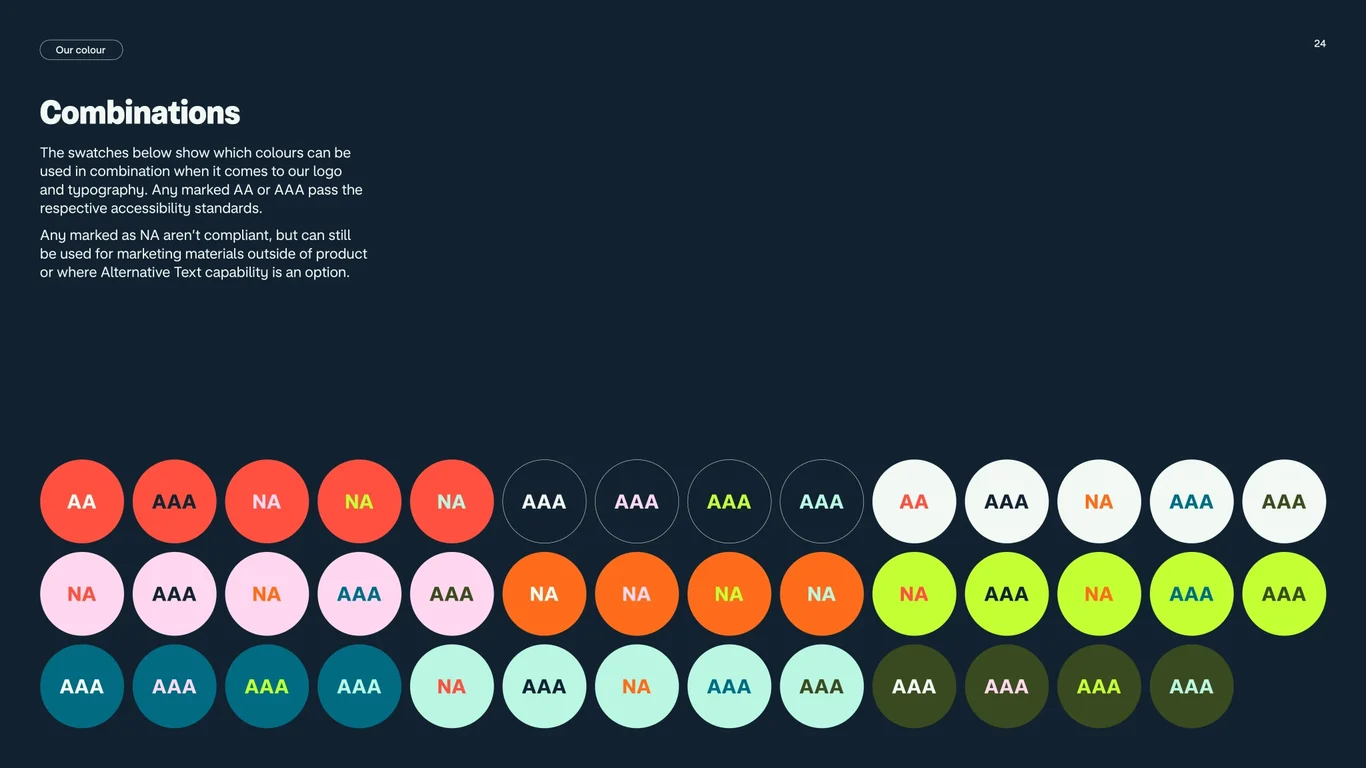
  23. UI palette for digital product only 24
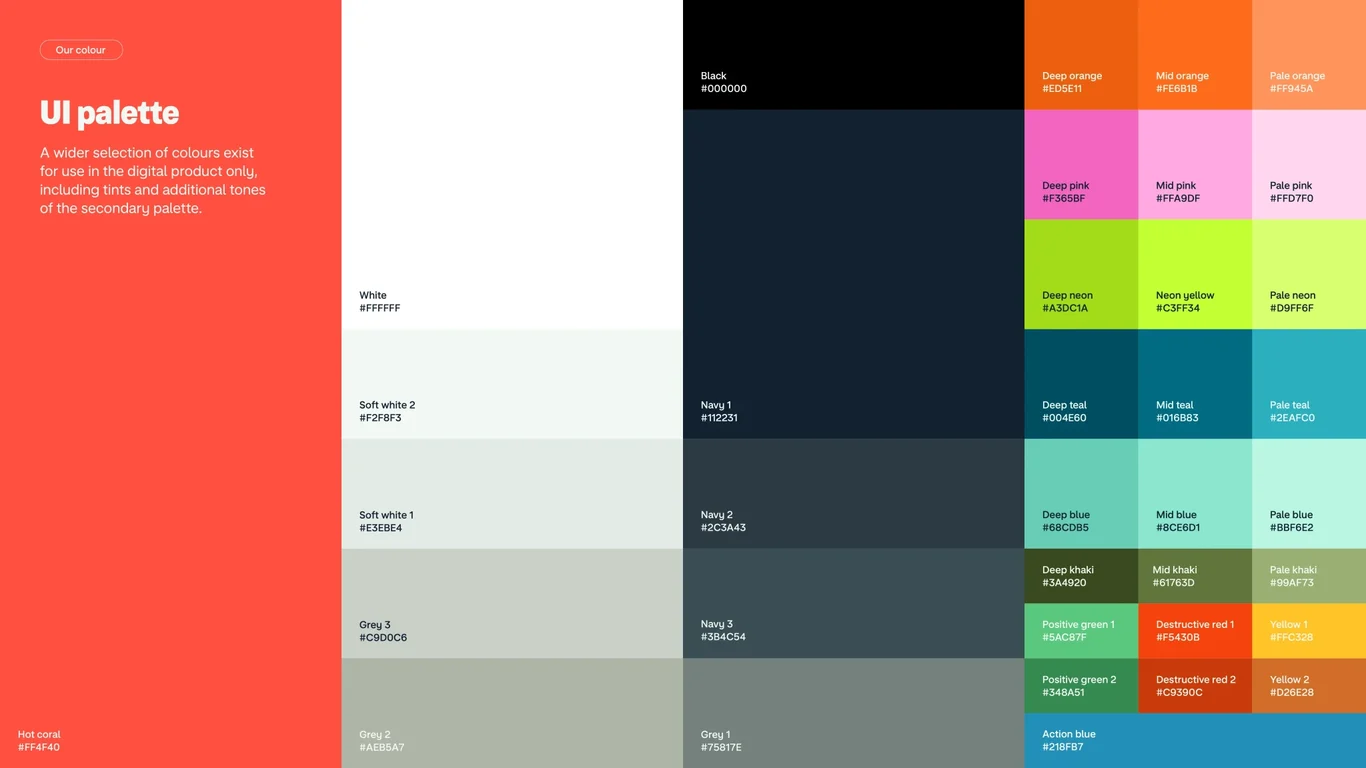
  24. UI palette hex and color codes 25
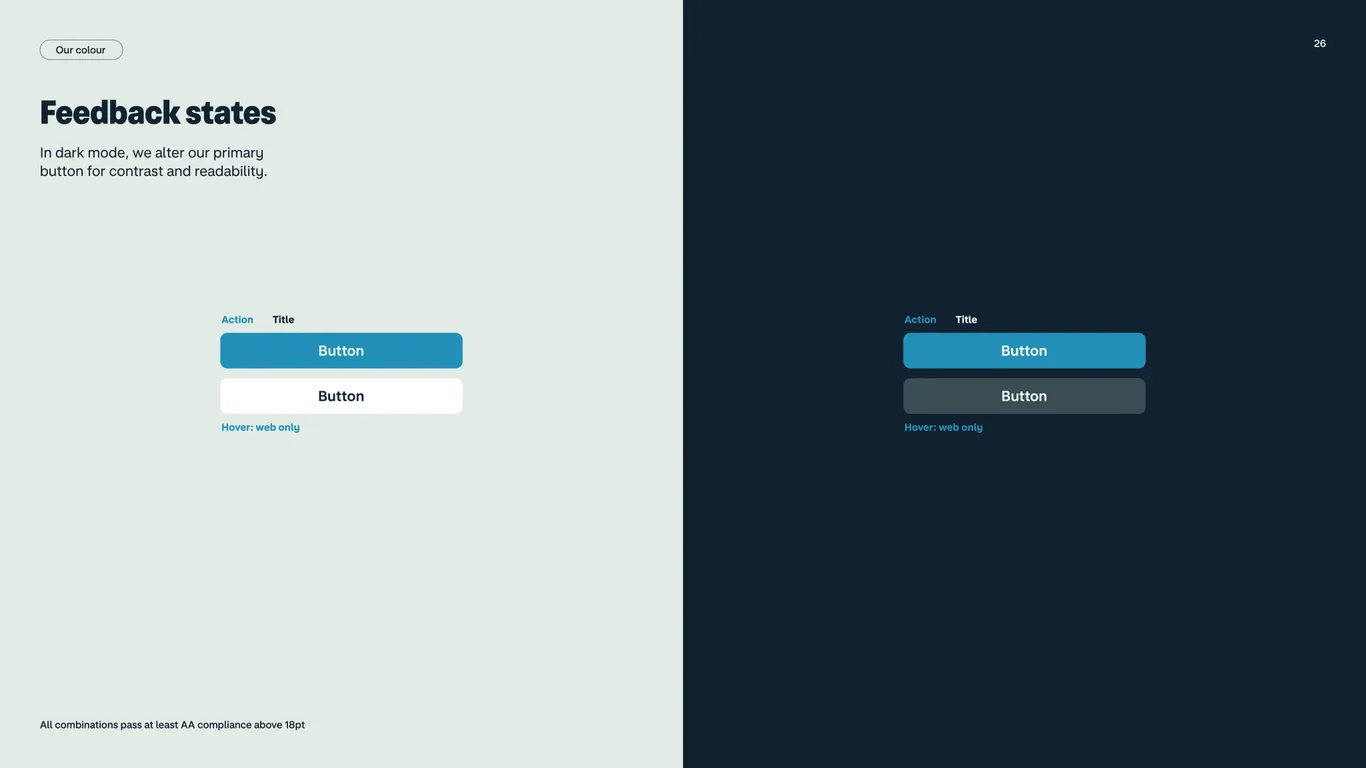
  25. Feedback states for interactive elements 26
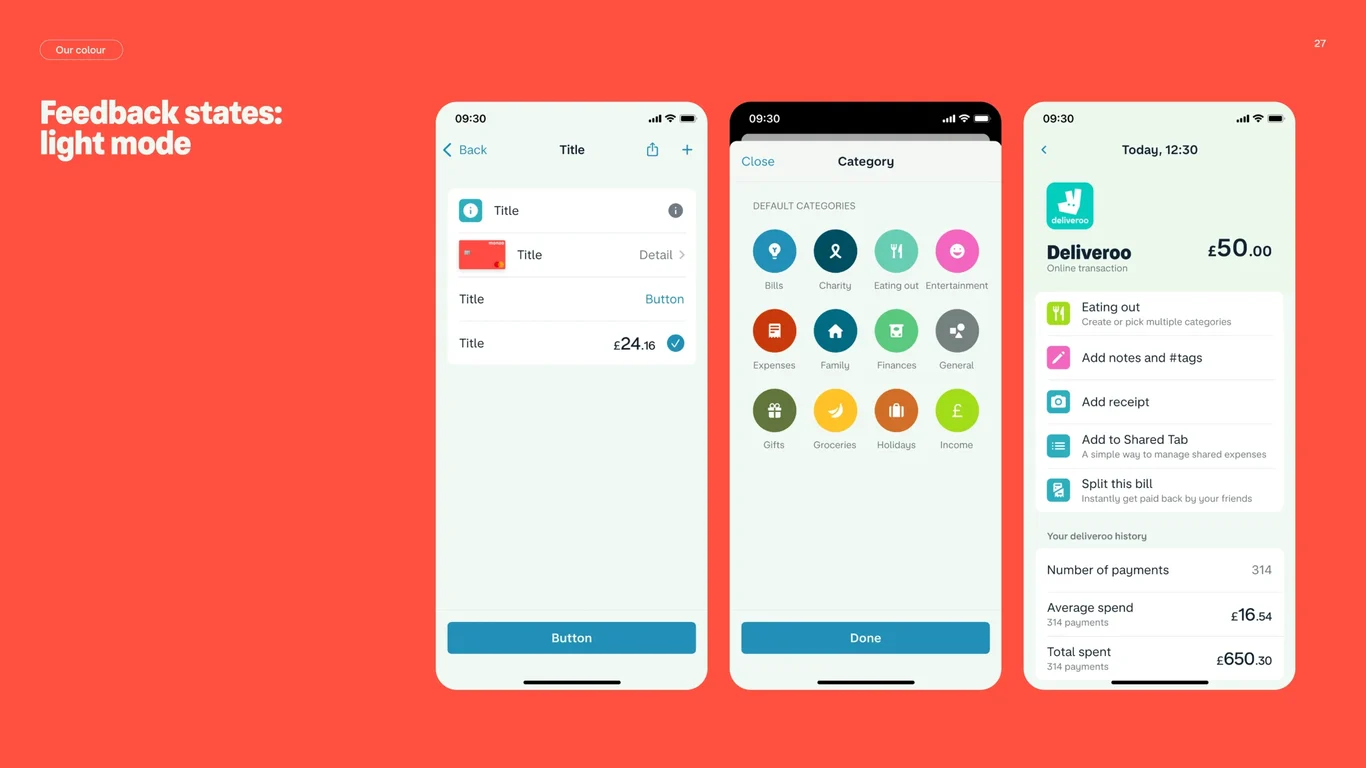
  26. Feedback states in light mode application 27
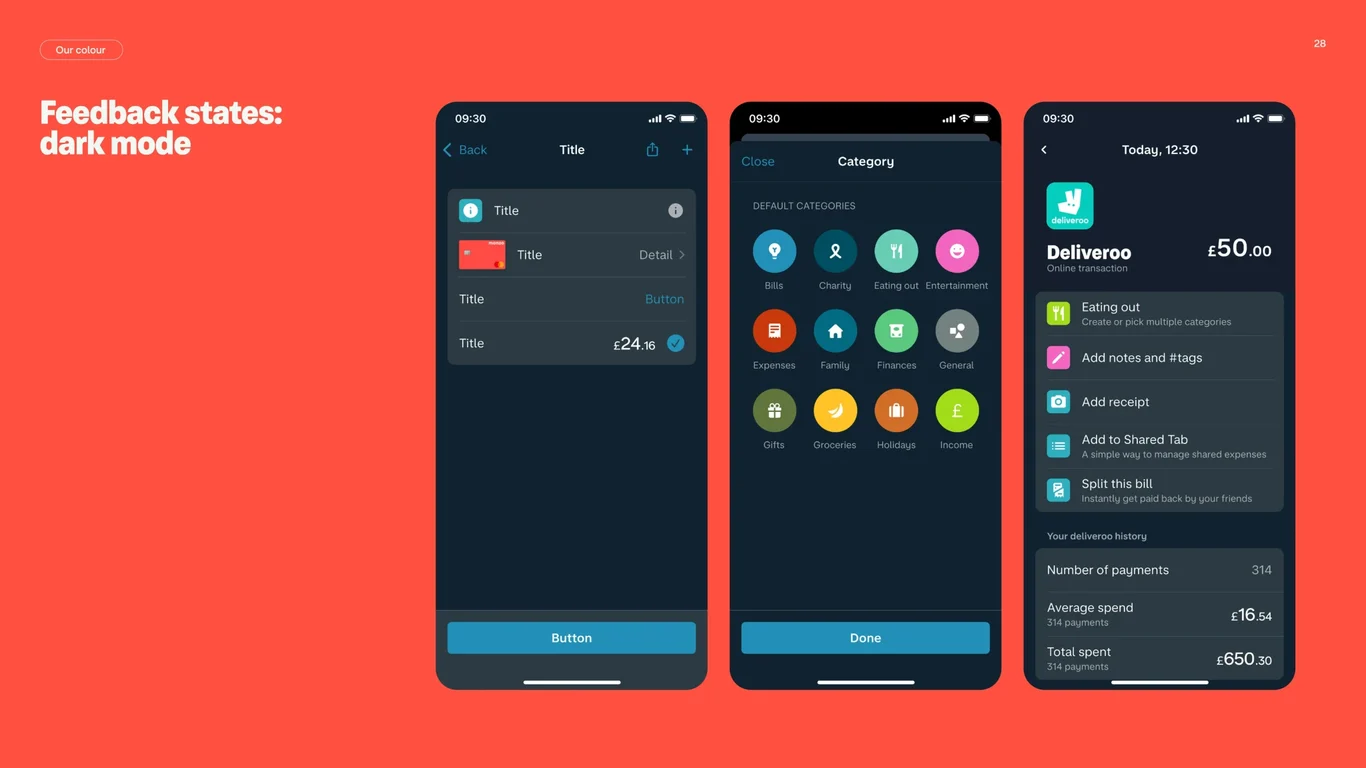
  27. Feedback states in dark mode application 28
  28. Guidelines restrict using colors that suggest different branding, copying colors 29
  29. Typeface System and Brand Voice 30
  30. Typeface System Core Philosophy 31
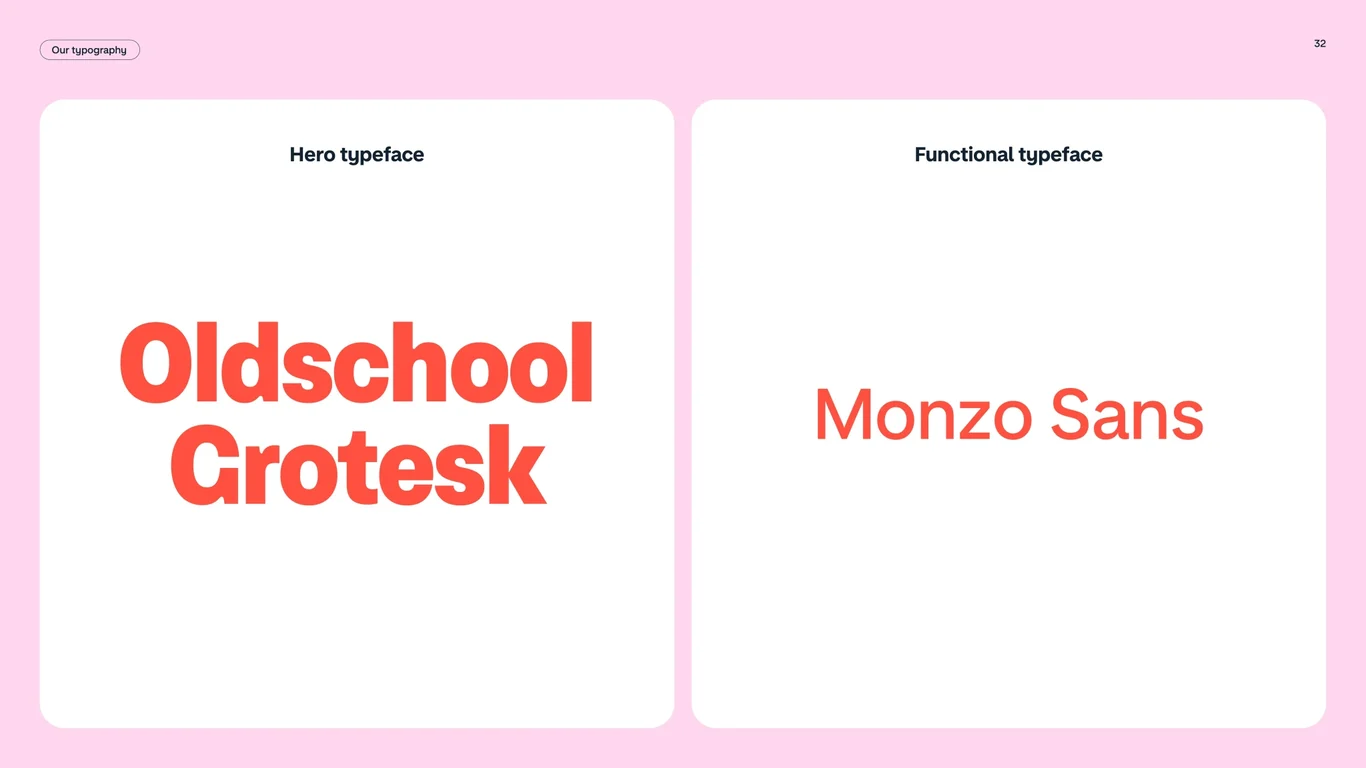
  31. Hero and Functional Typeface System 32
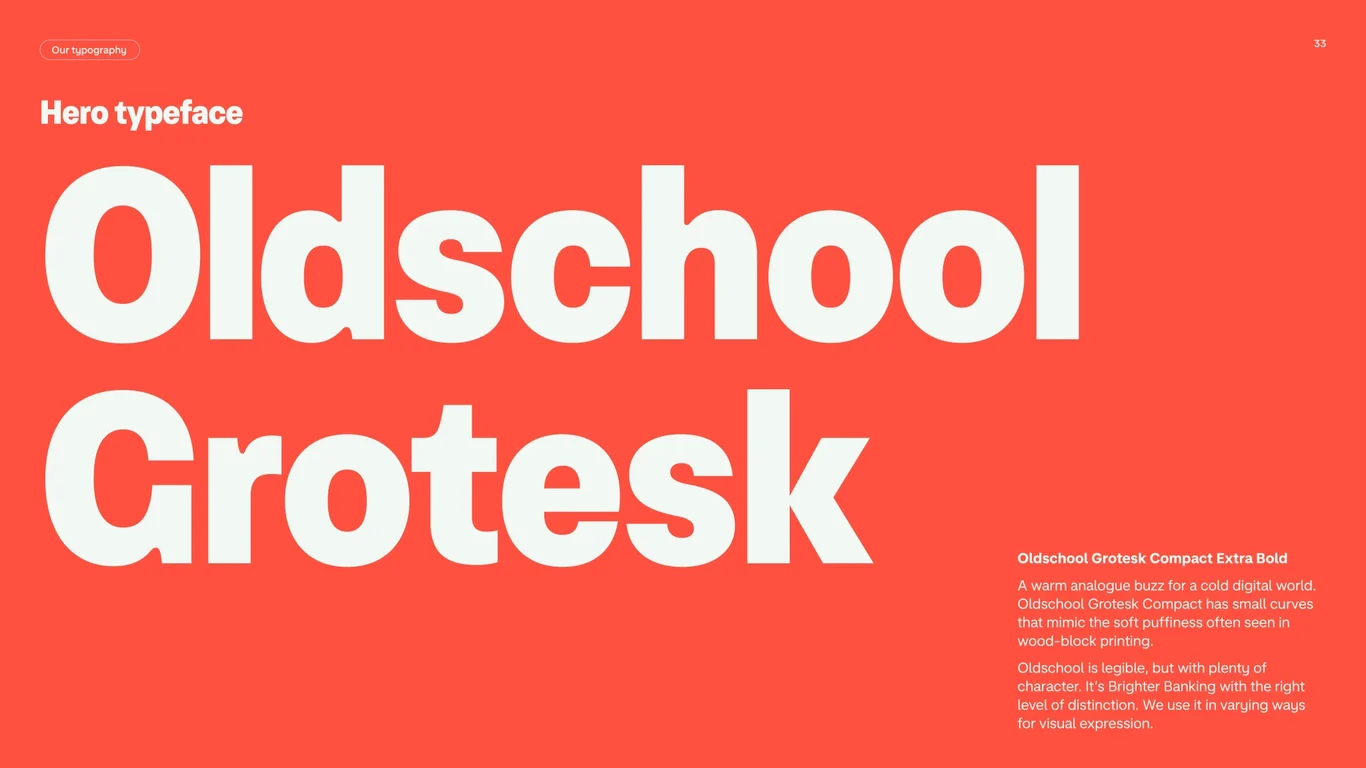
  32. Oldschool Grotesk hero typeface 33
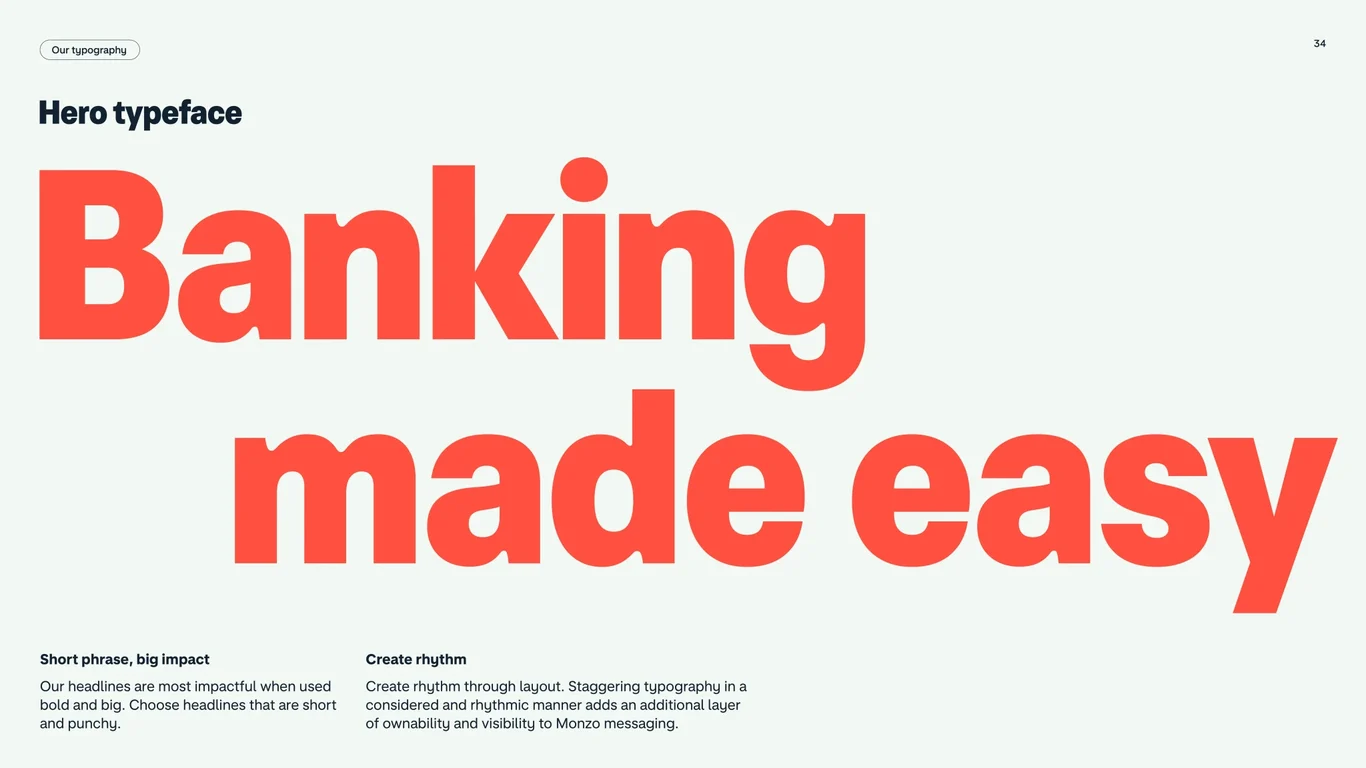
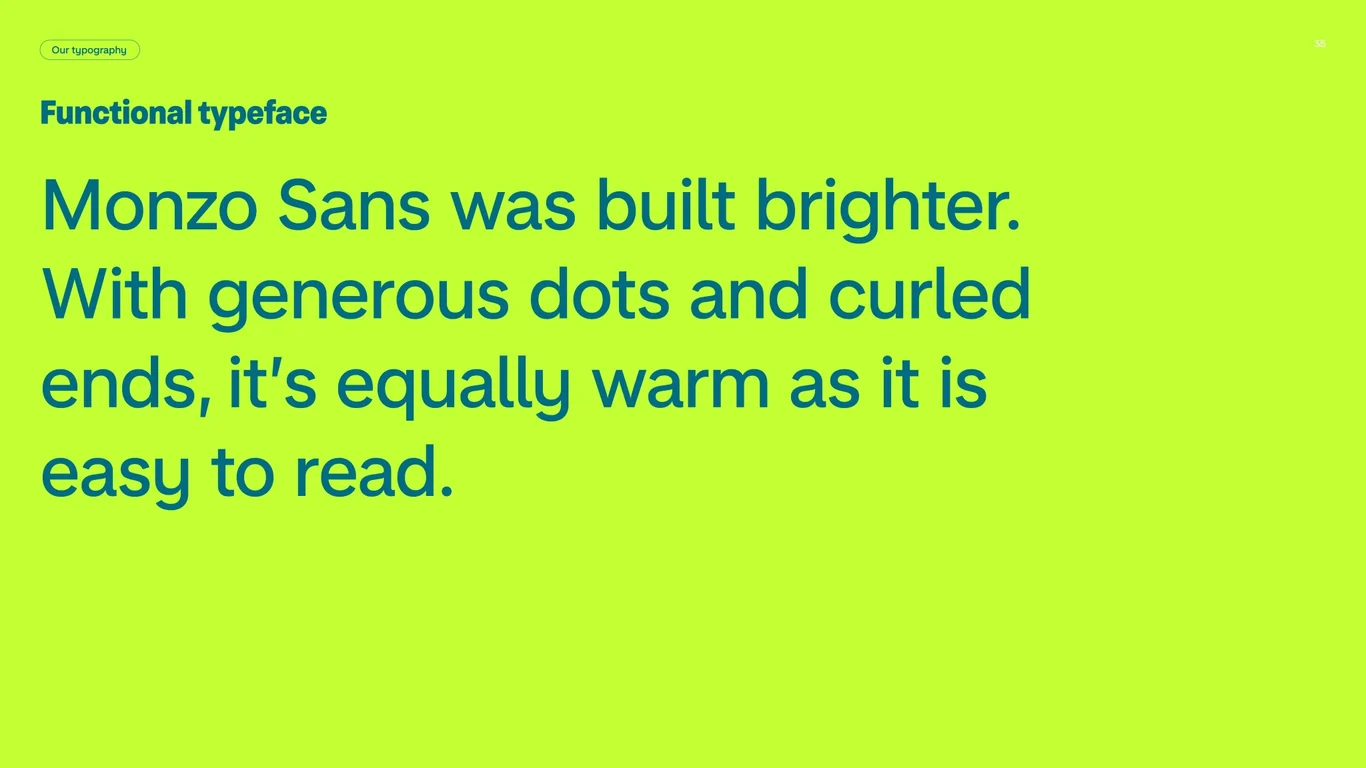
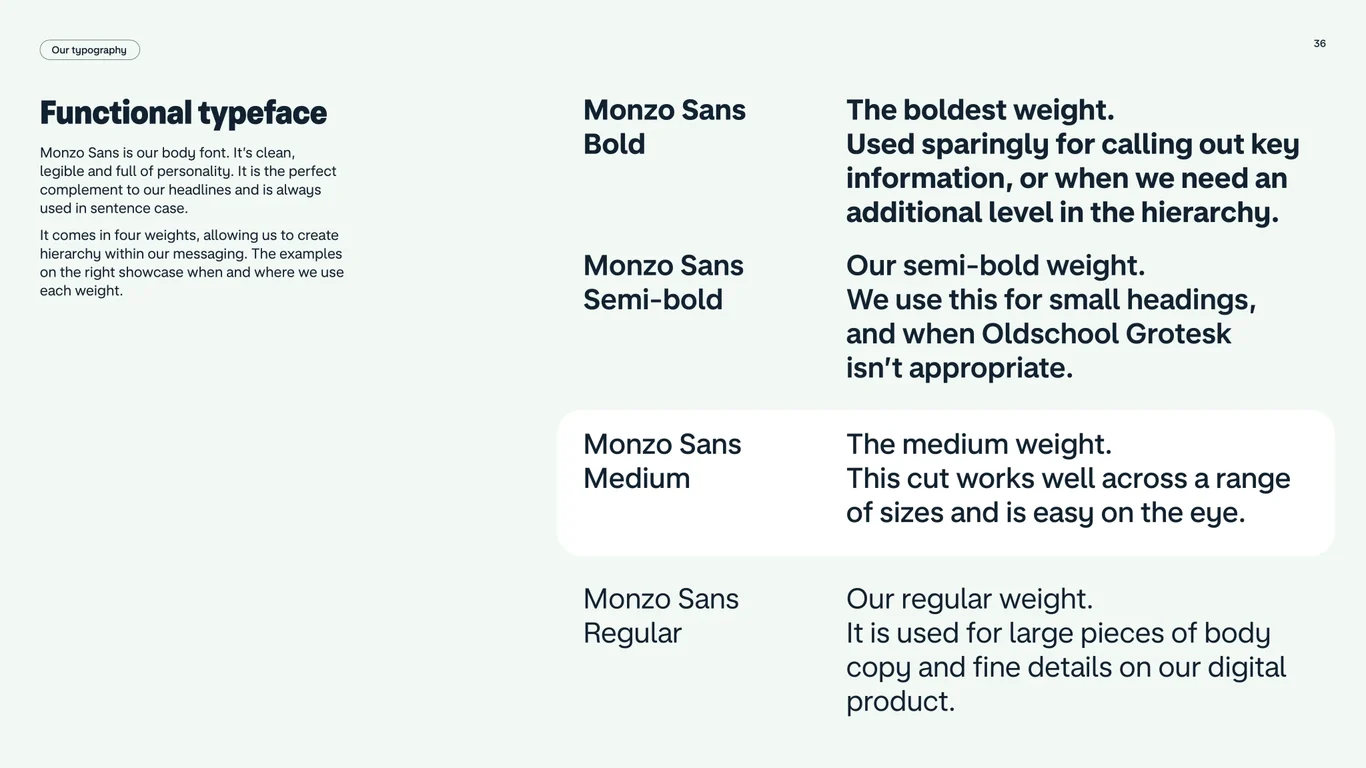
  33. Functional Typeface for Interface 34
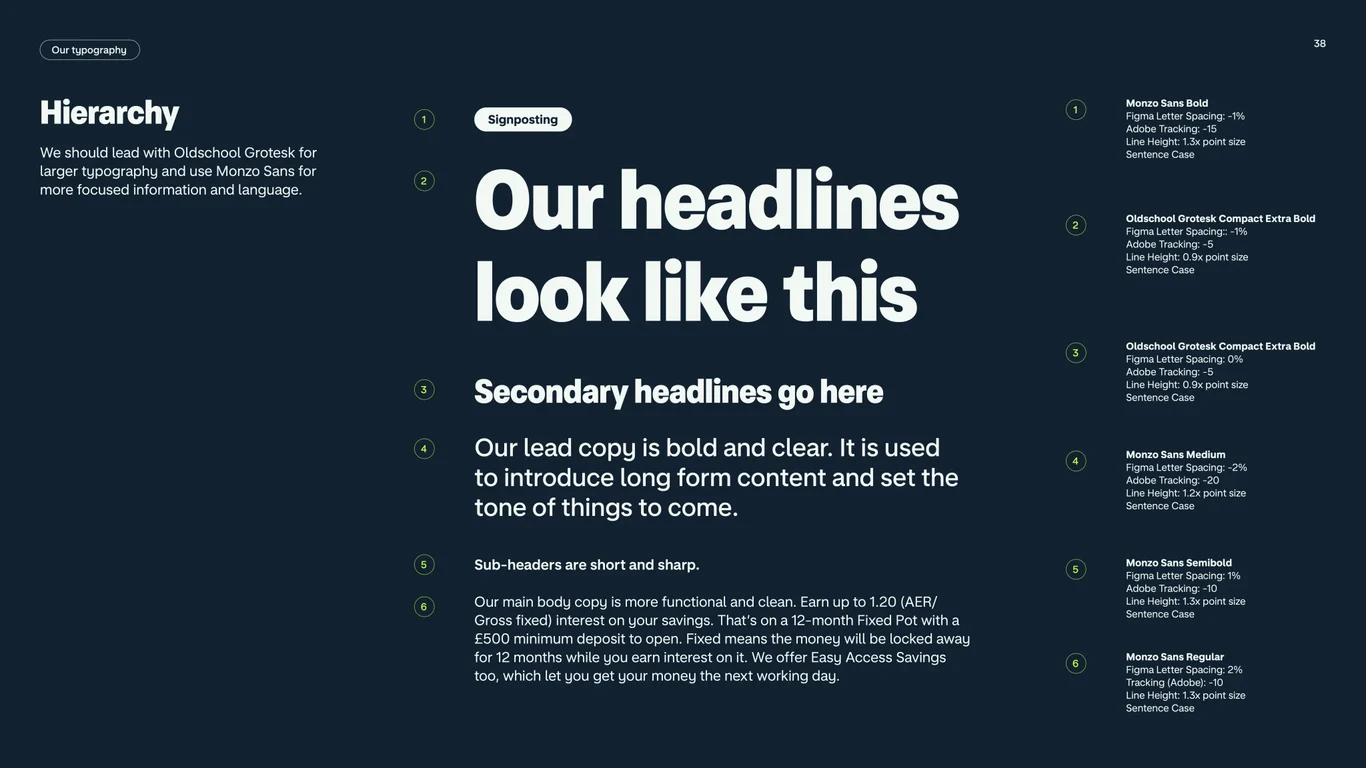
  34. Typeface Hierarchy and Scale 35
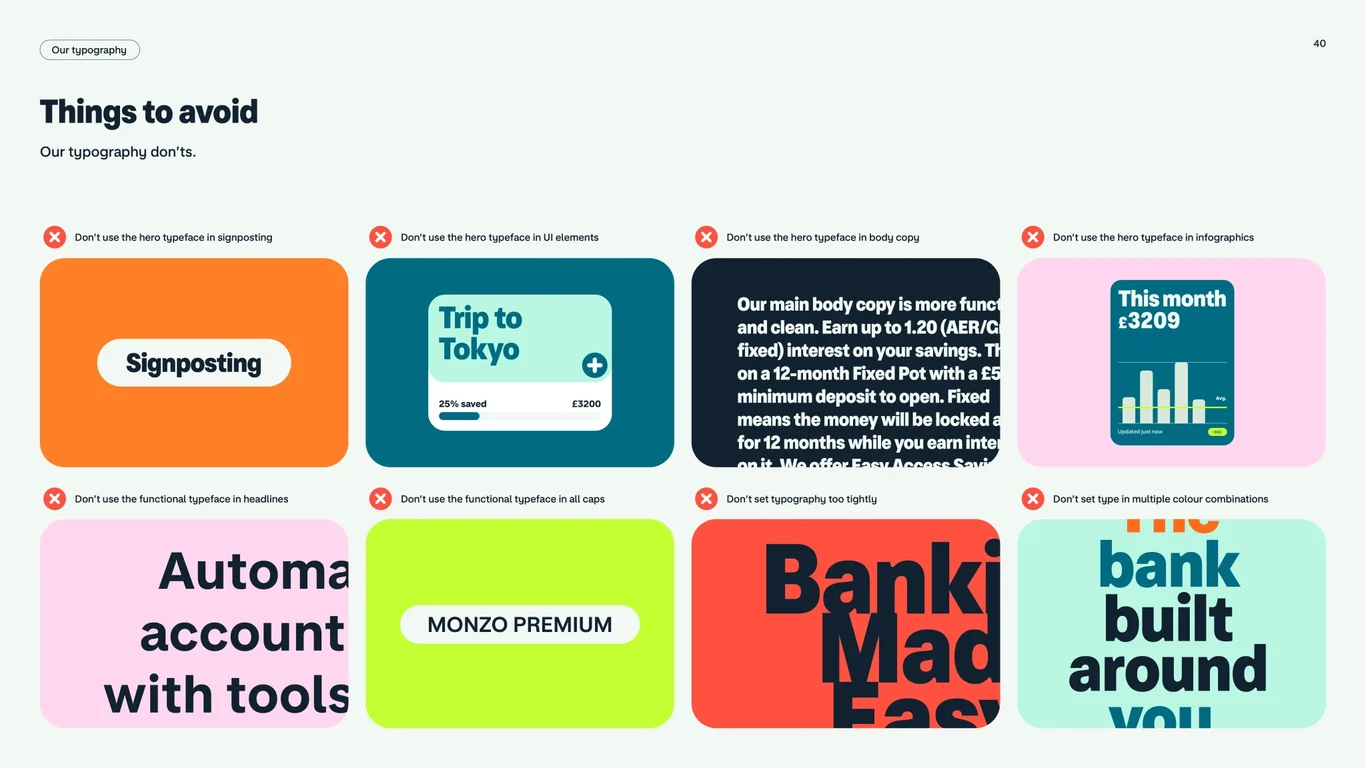
  35. Guidelines restrict using automated tools for text, non-standard typefaces, improper 36
  36. Typeface sizing and weight guidance 37
  37. Typeface weights and styles 38
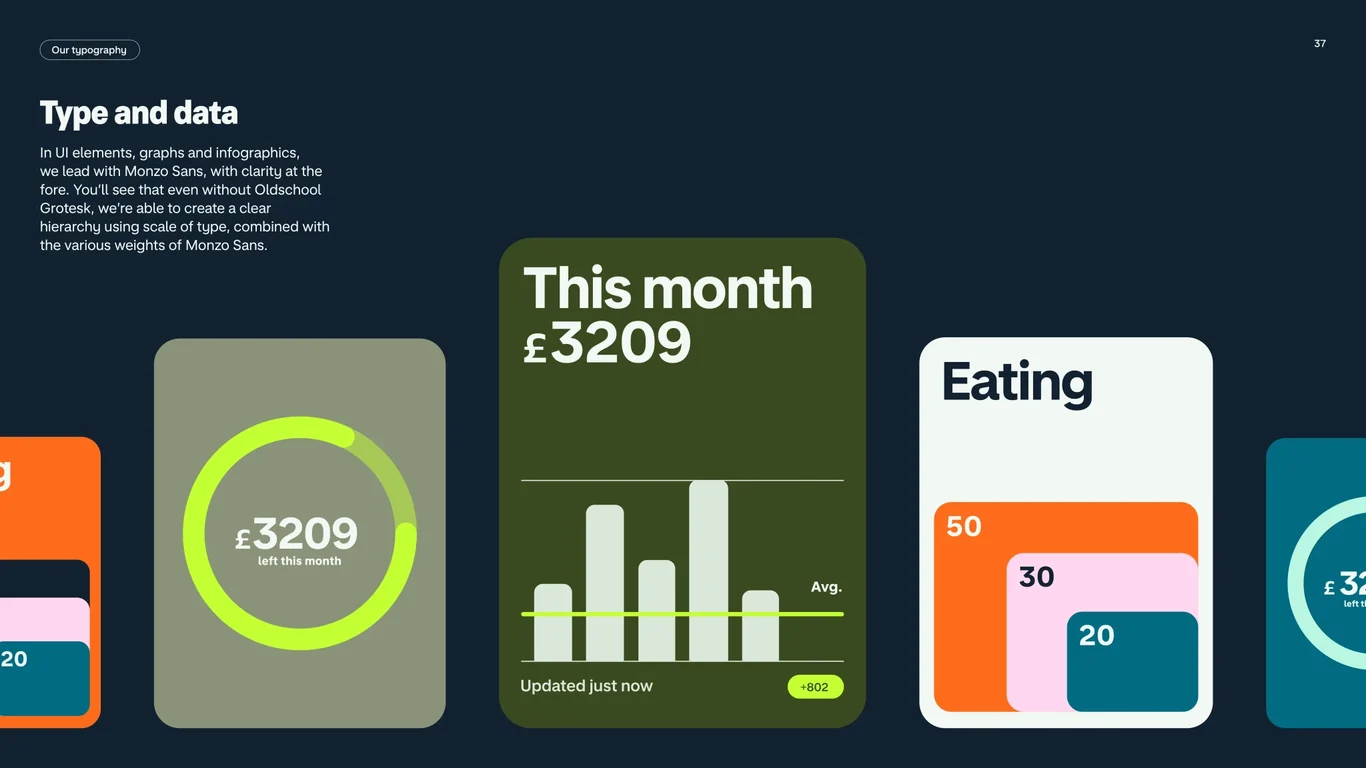
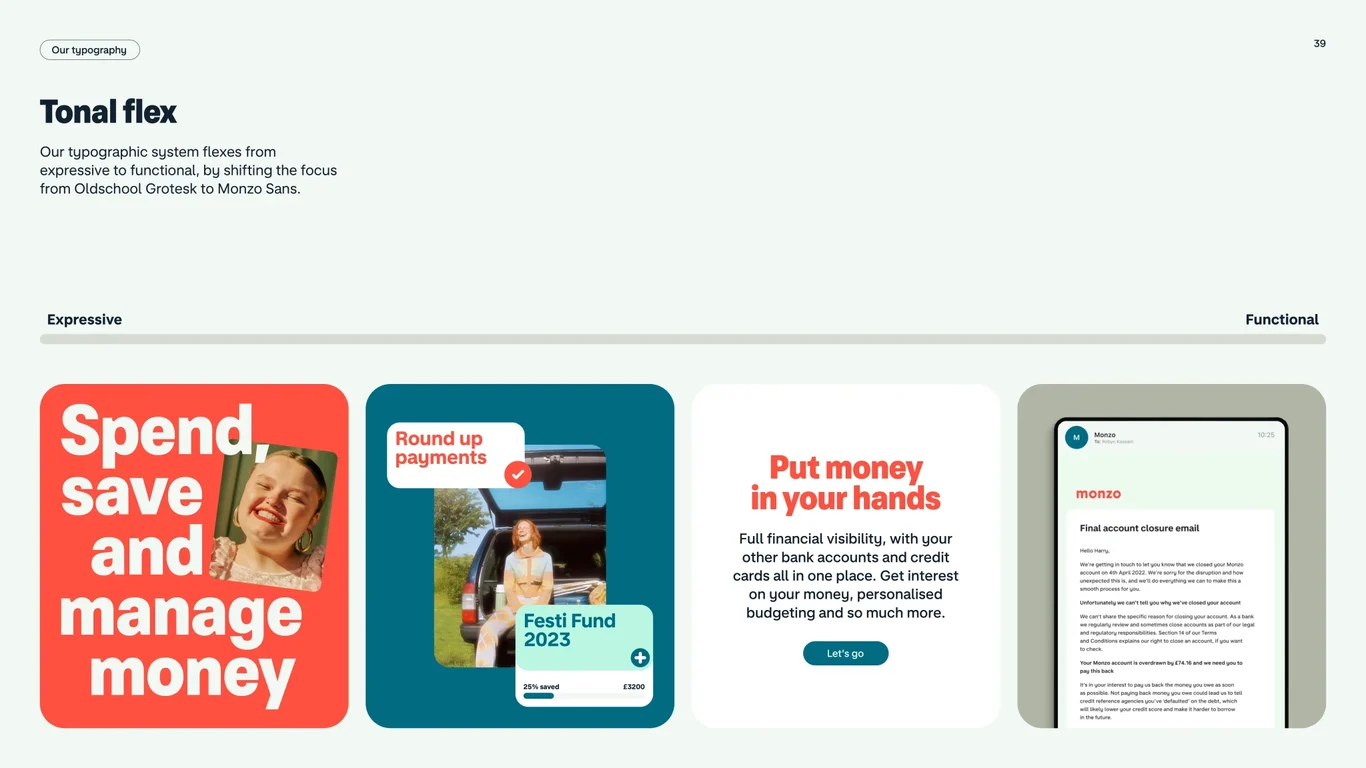
  38. Typeface examples in context 39
  39. Typeface scale and sizing 40
  40. Art Direction and Imagery 41
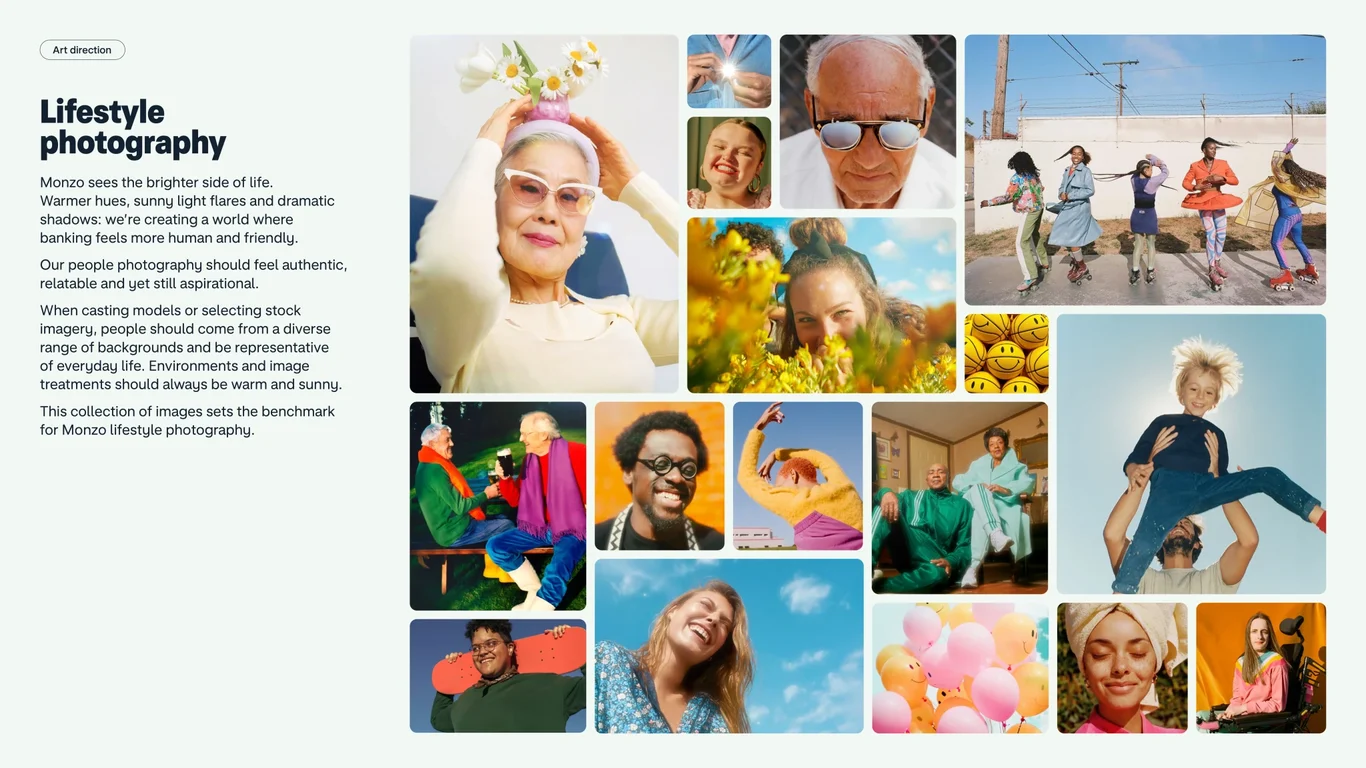
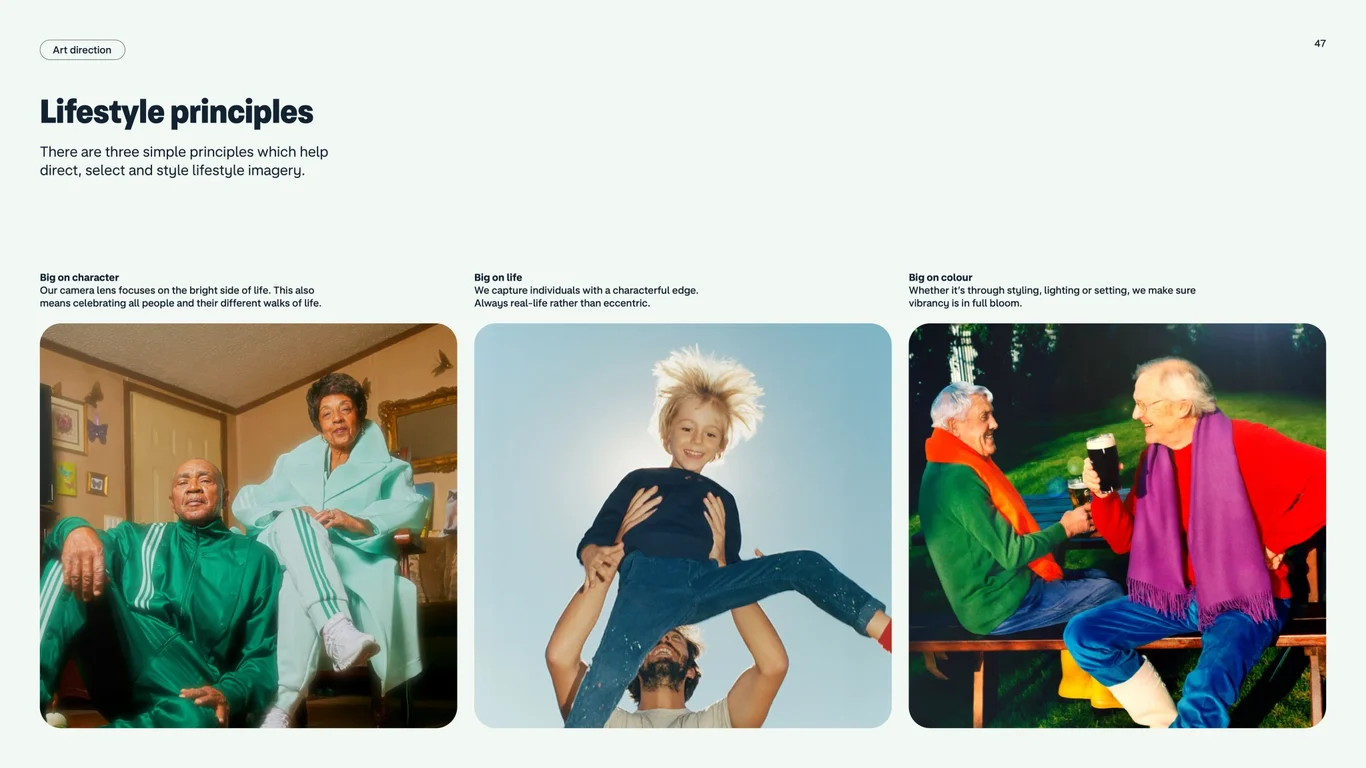
  41. Lifestyle imagery in brand communications 42
  42. Photography style and tone 43
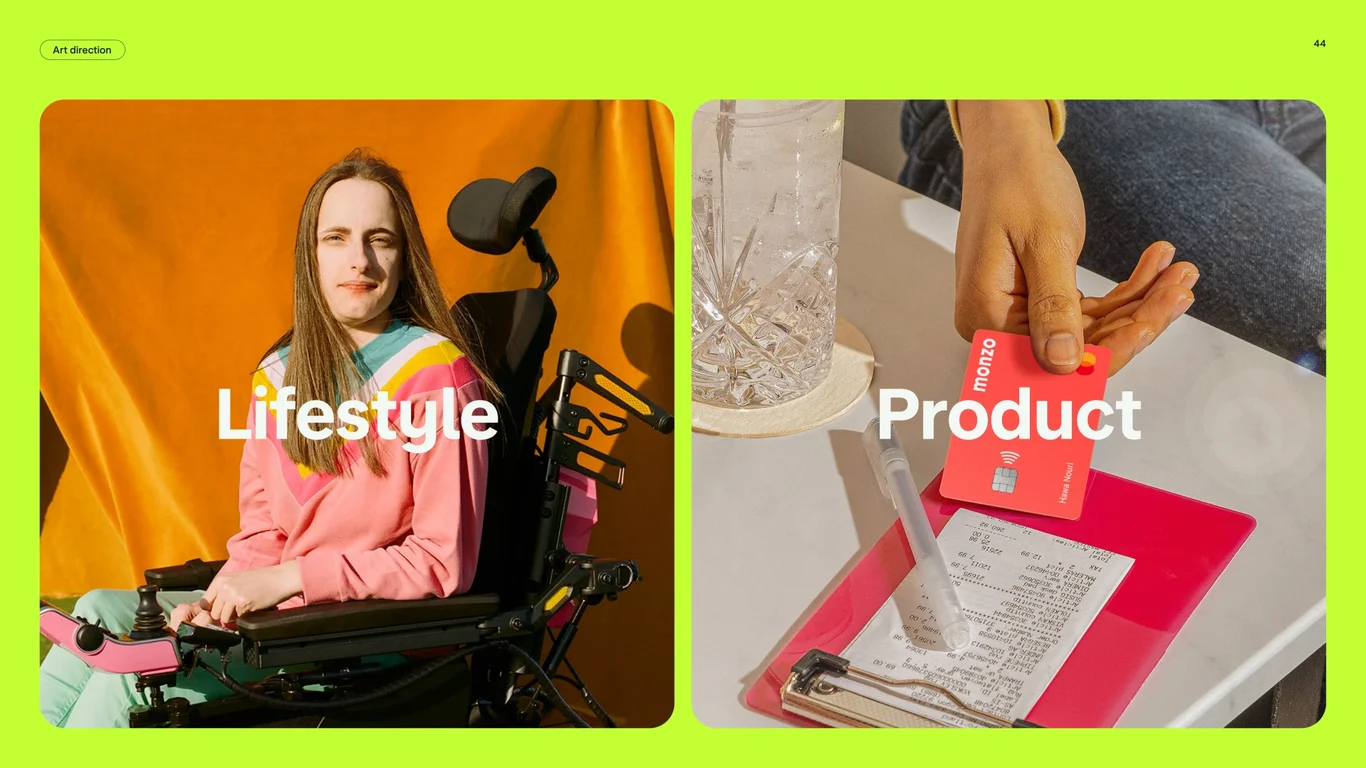
  43. Authentic and relatable photography 44
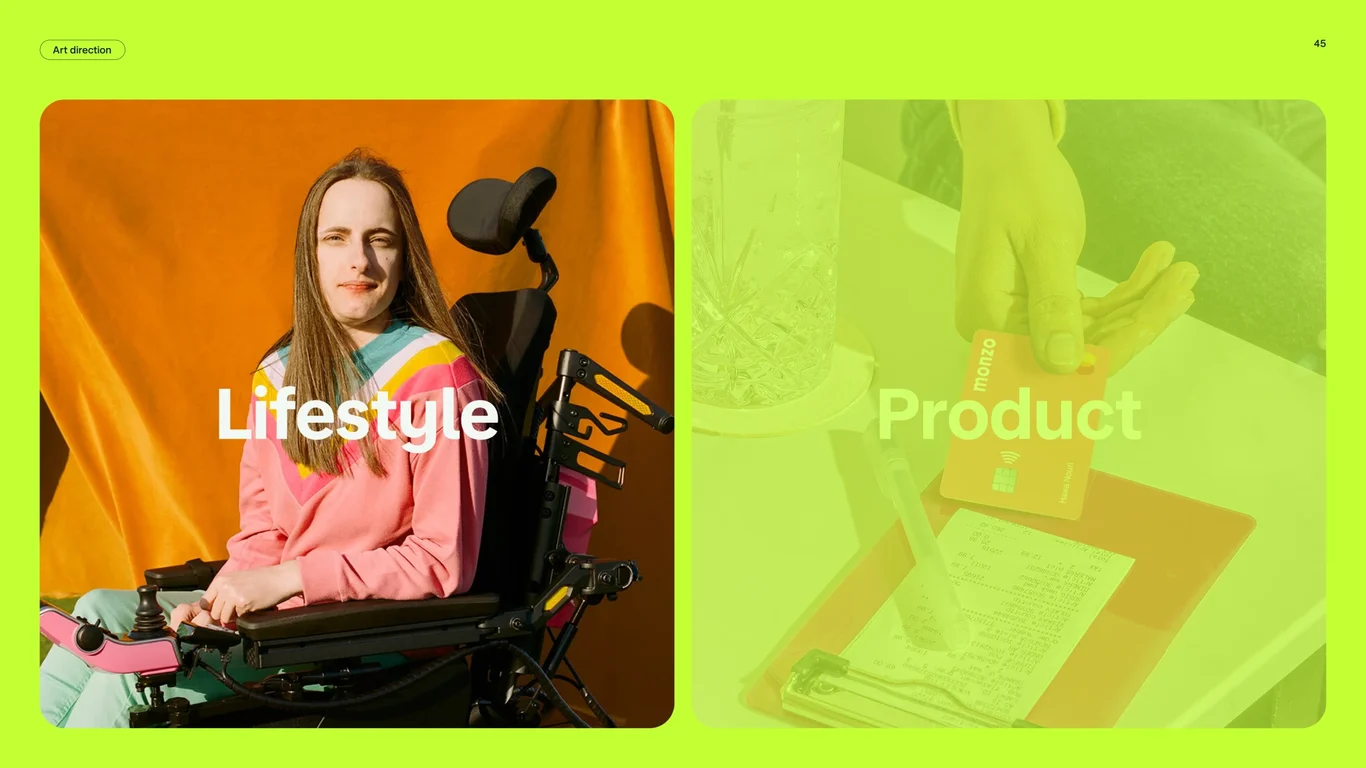
  44. Photography centered on people and real human moments creates connection 45
  45. Diversity and representation in imagery 46
  46. Visual quality and production standards 47
  47. Examples demonstrate how approved imagery applies across website, marketing 48
  48. Photography Framing and Perspective 49
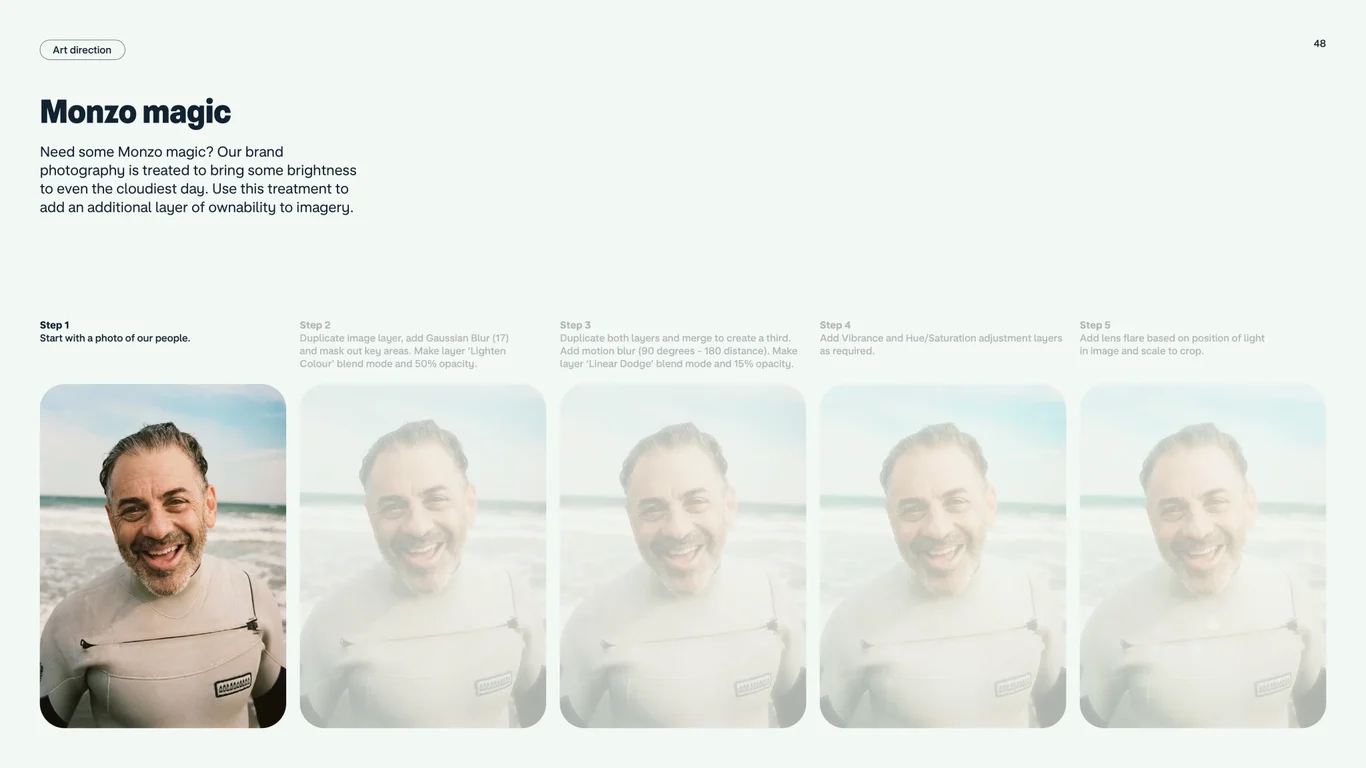
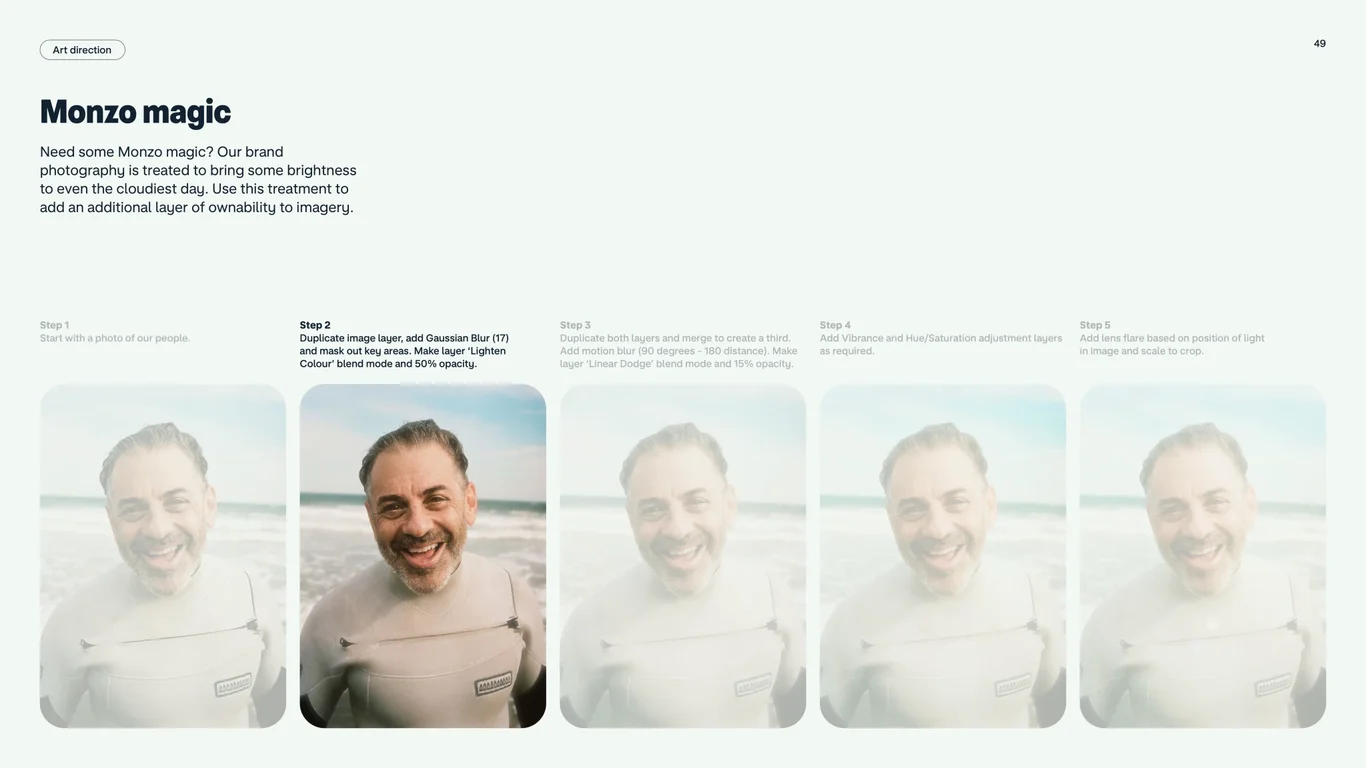
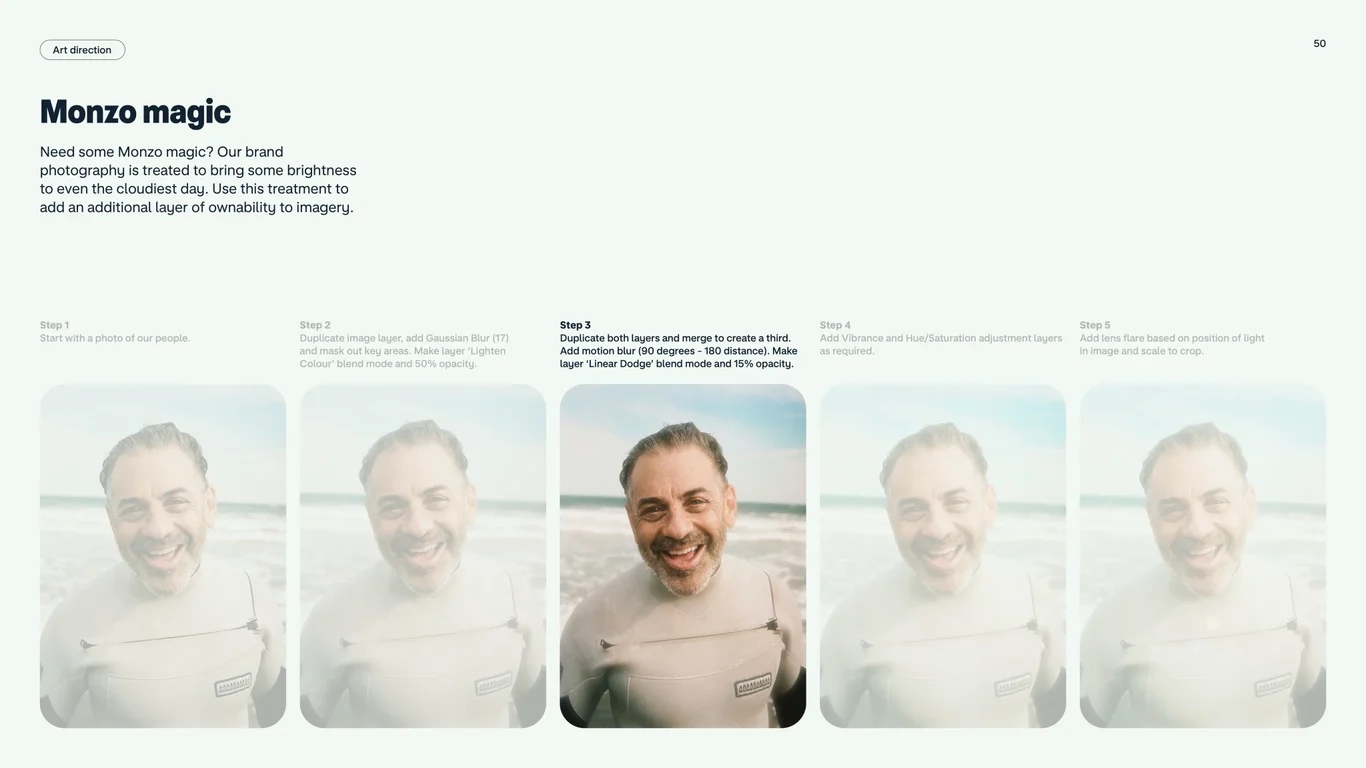
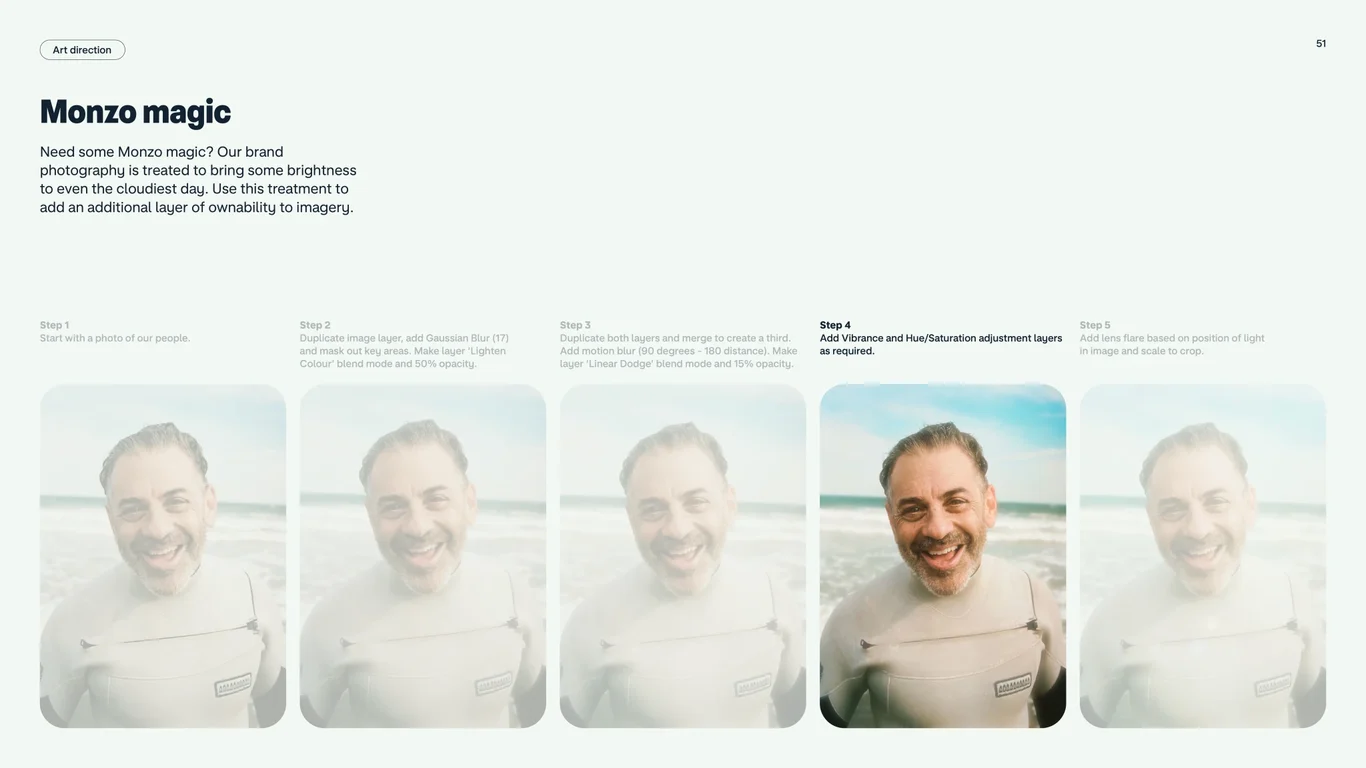
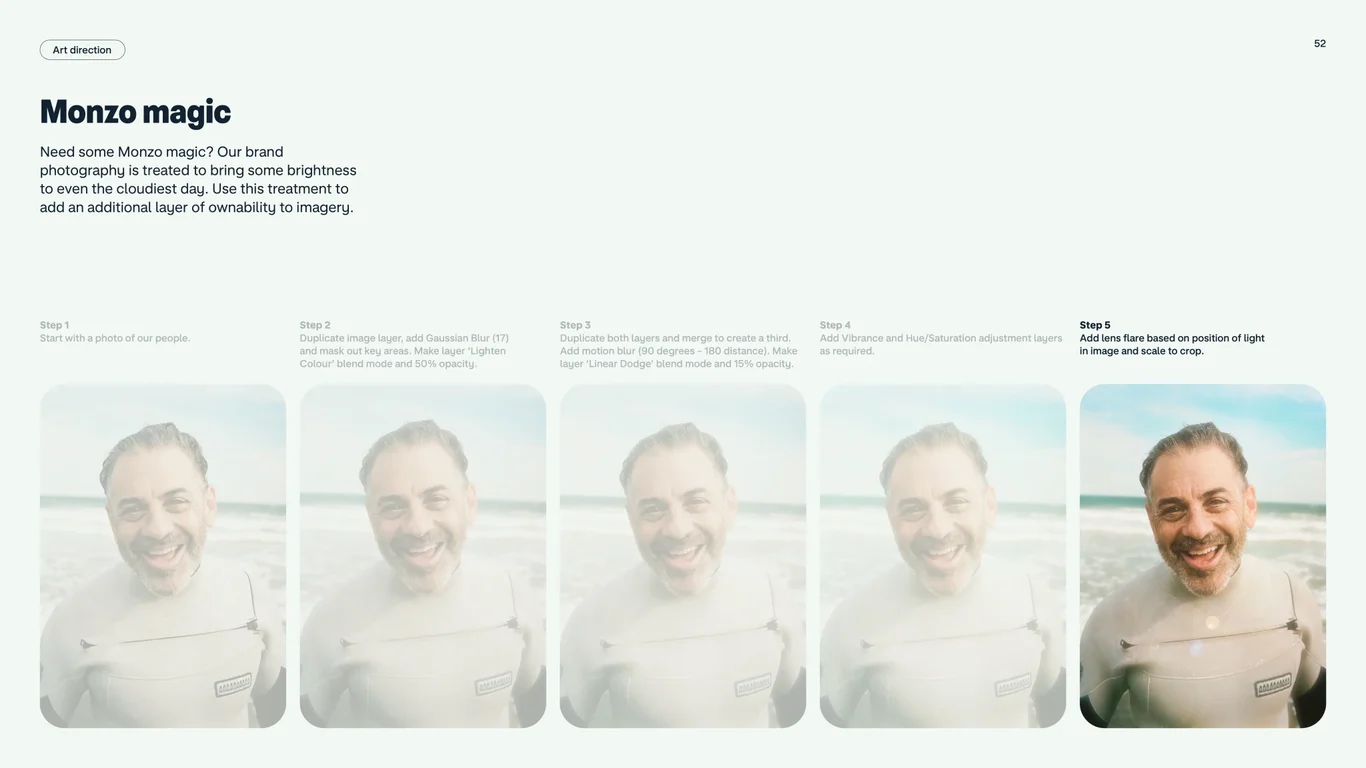
  49. Special treatment technique adds brightness and vibrancy to photography using 50
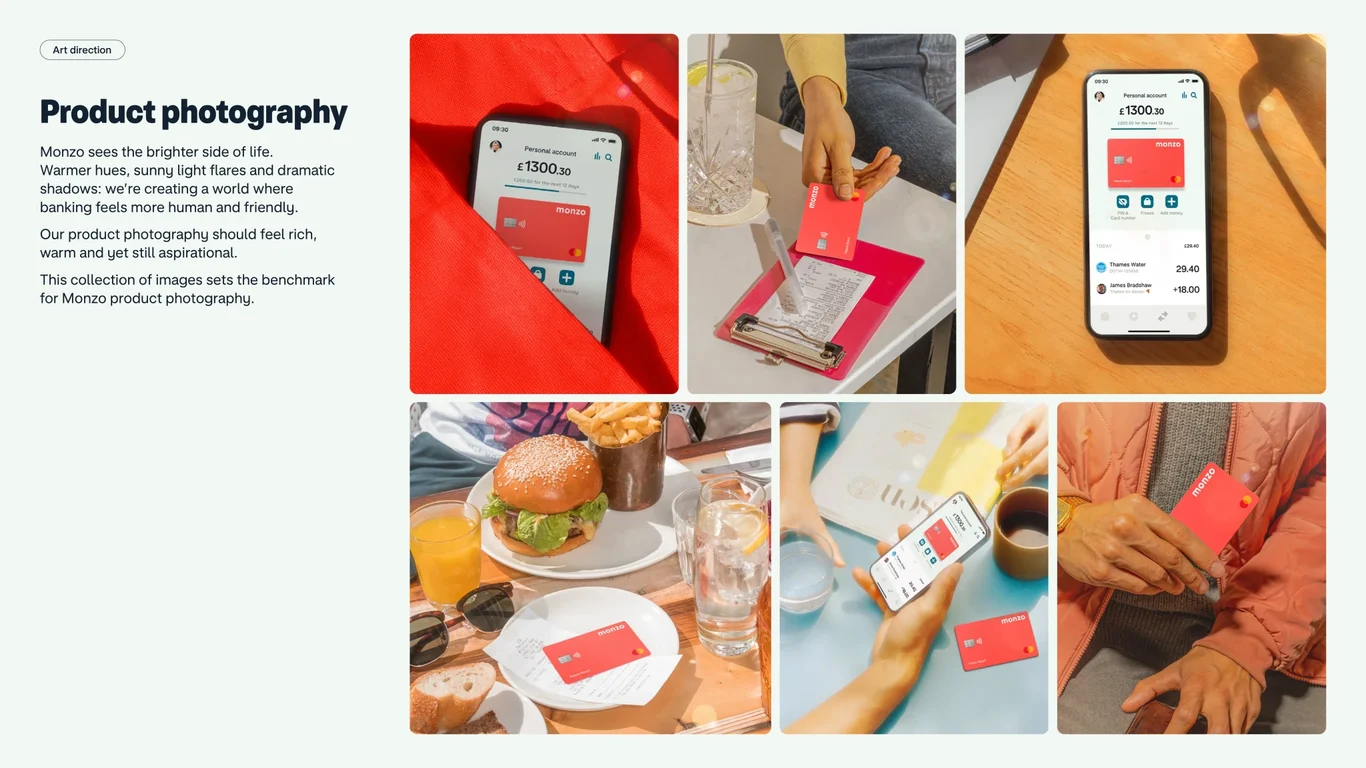
  50. Example photographs demonstrate approved style and tone for brand communications 51
  51. Photography Tone and Voice 52
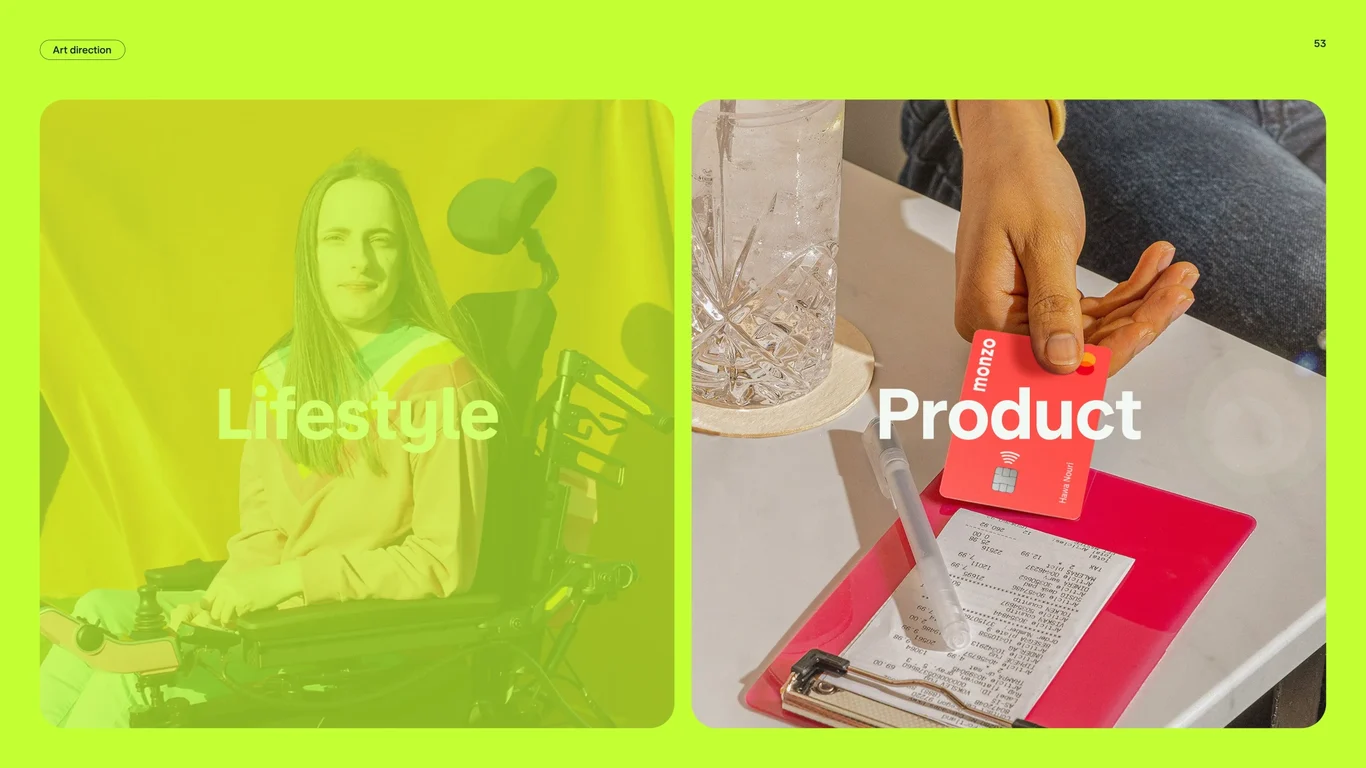
  52. Visual Consistency in Photography 53
  53. Real-world examples demonstrate brand photography applied across marketing, digital 54
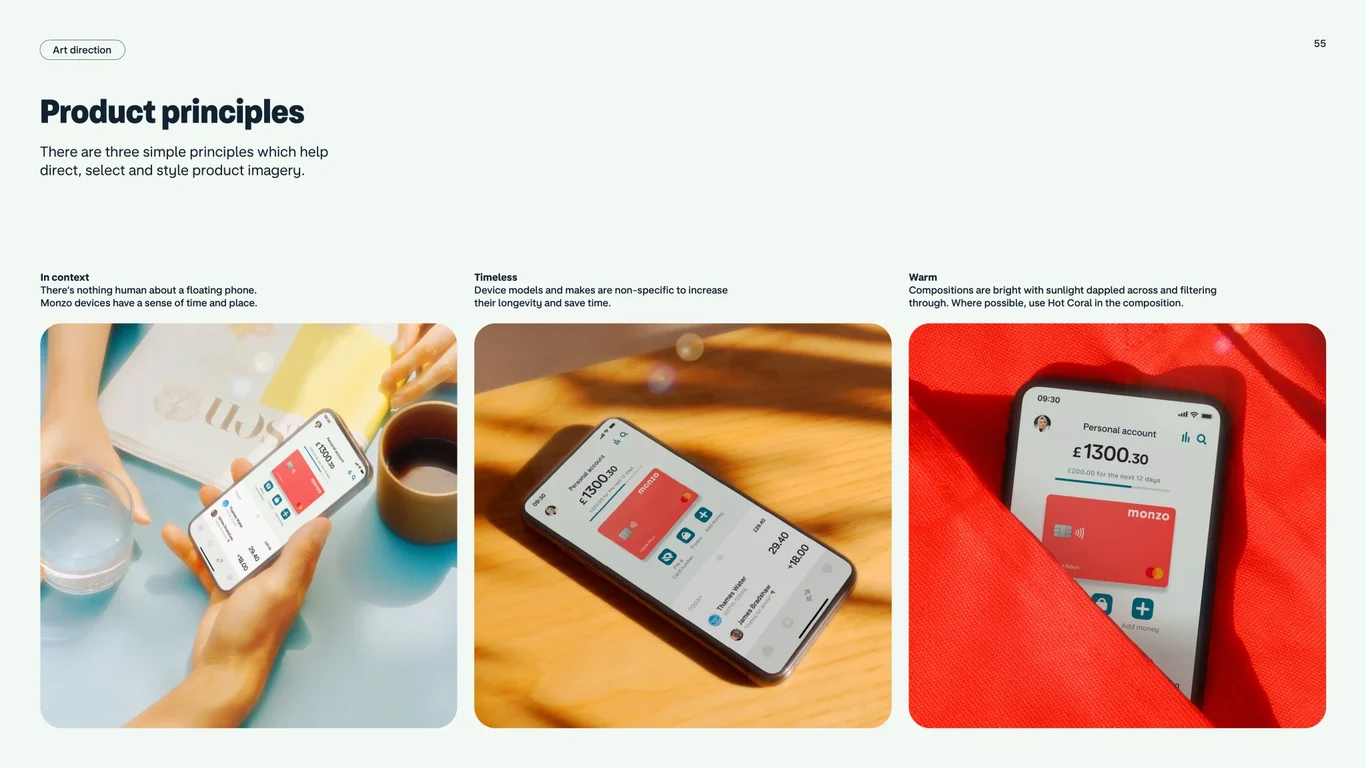
  54. Brand Expression Through Imagery 55
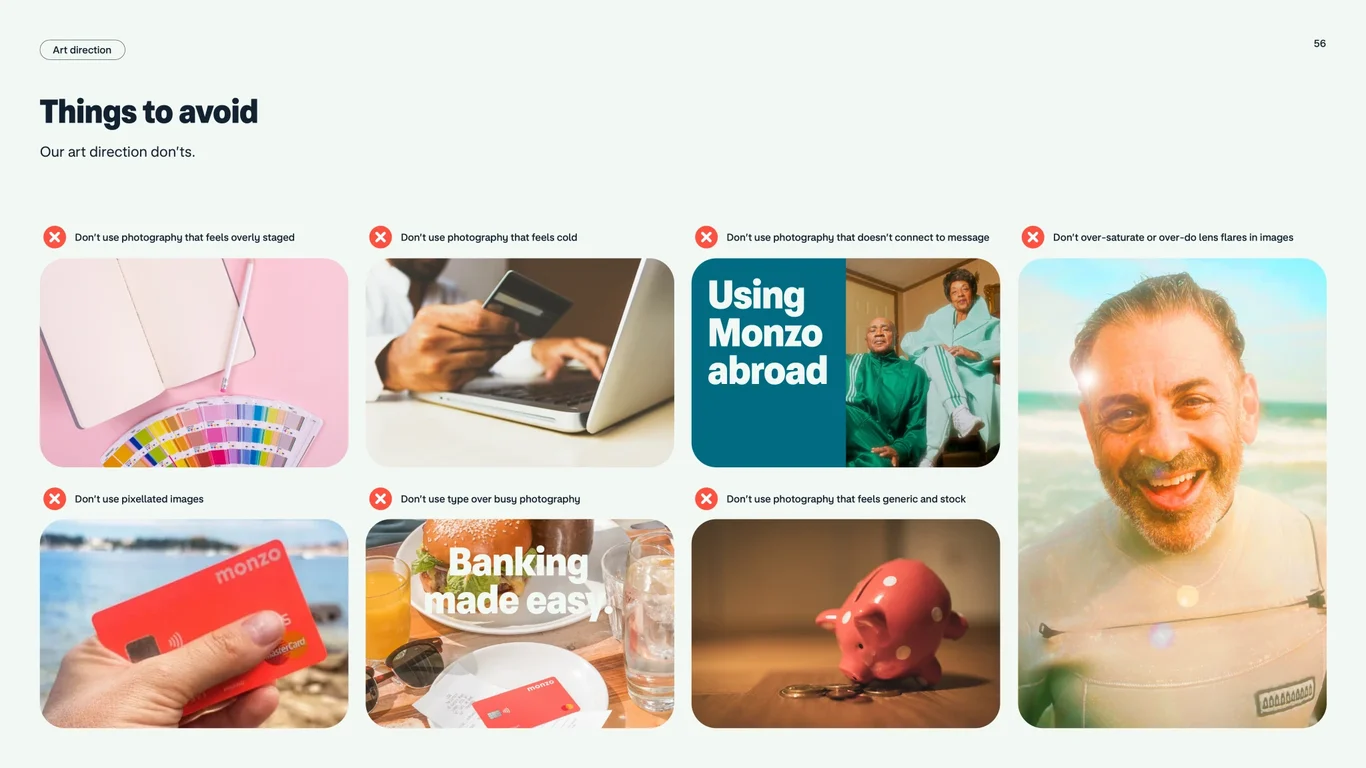
  55. Guidelines restrict using imagery misaligned with brand values, unvetted photos 56
  56. Product Mockups and Presentation 57
  57. Overview of product design system elements, components, and patterns used 58
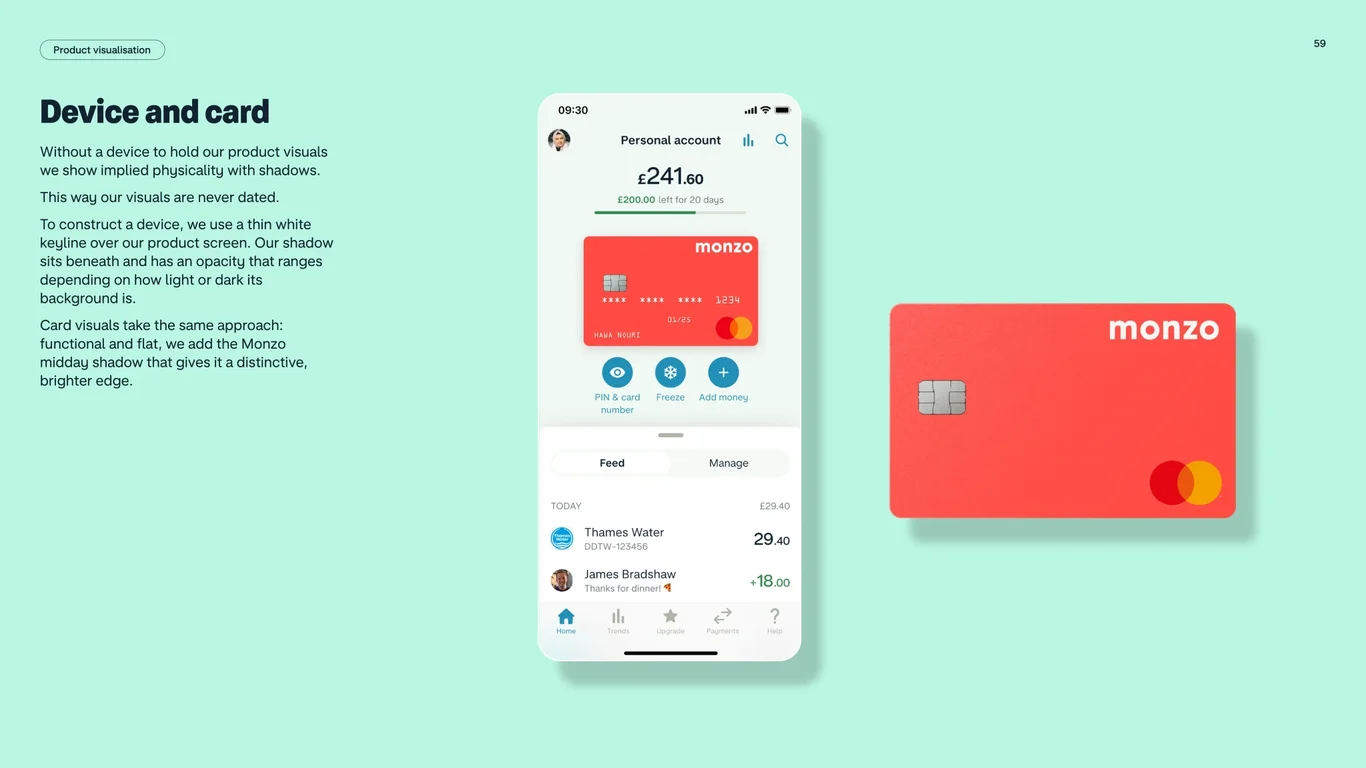
  58. Example product screens showing UI design principles and brand application 59
  59. Grid System and Spacing 60
  60. Product Navigation and Flow 61
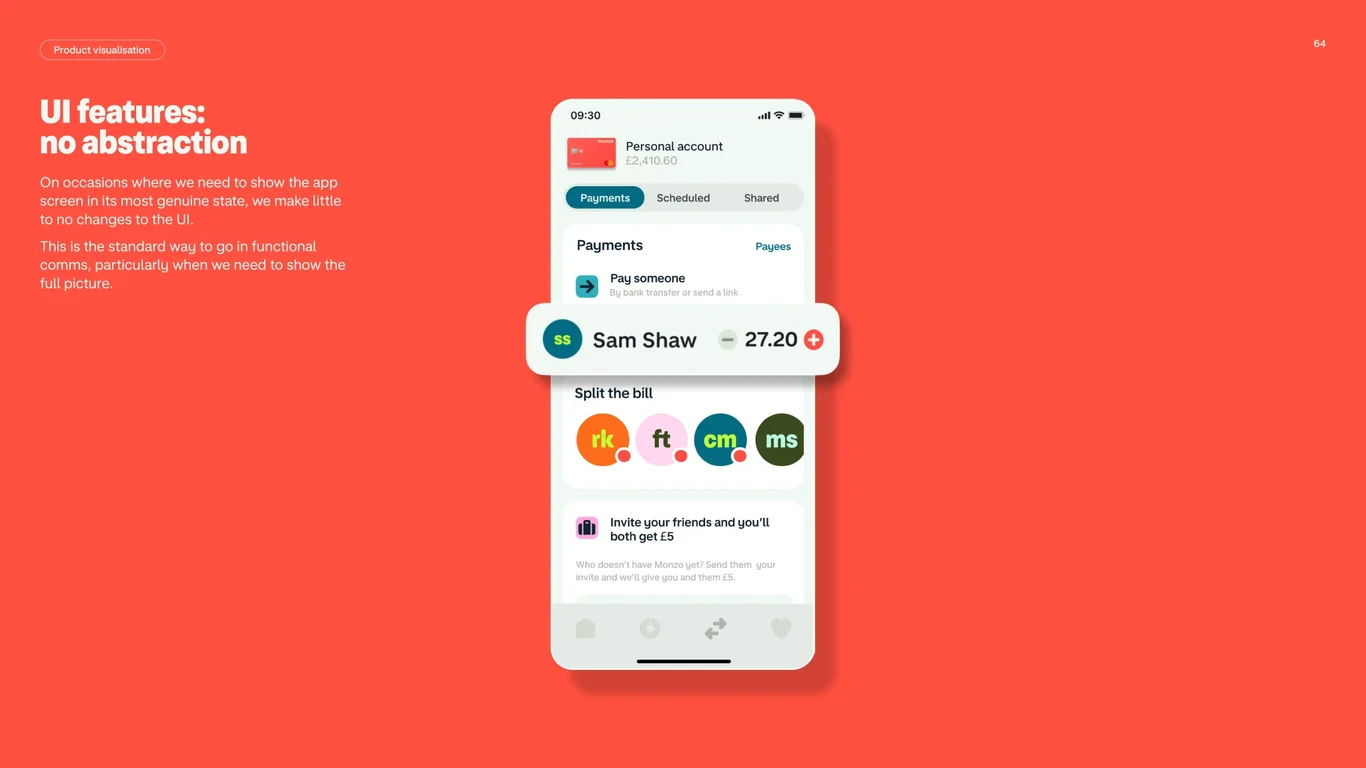
  61. Account interface mockup demonstrating primary features, information architecture, and interaction 62
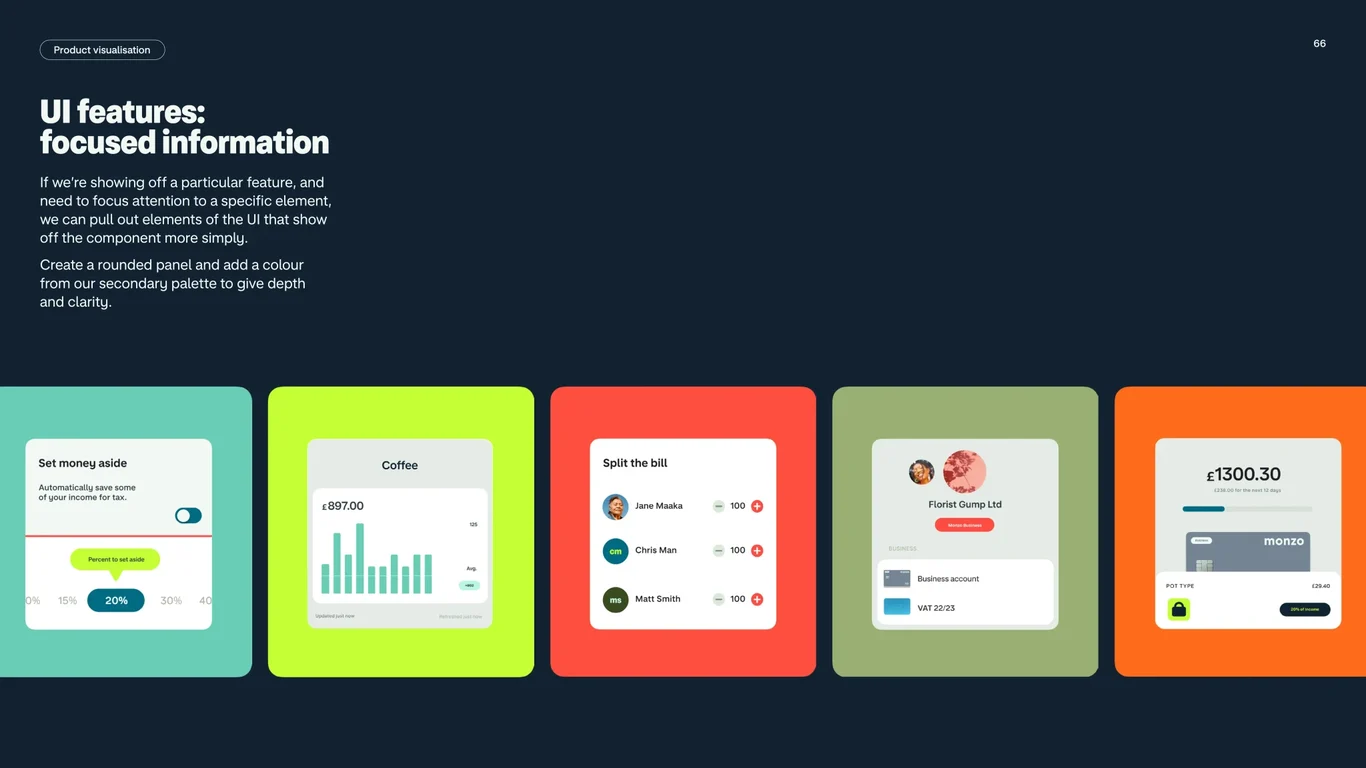
  62. Transaction detail screen mockup showing information architecture, content organization 63
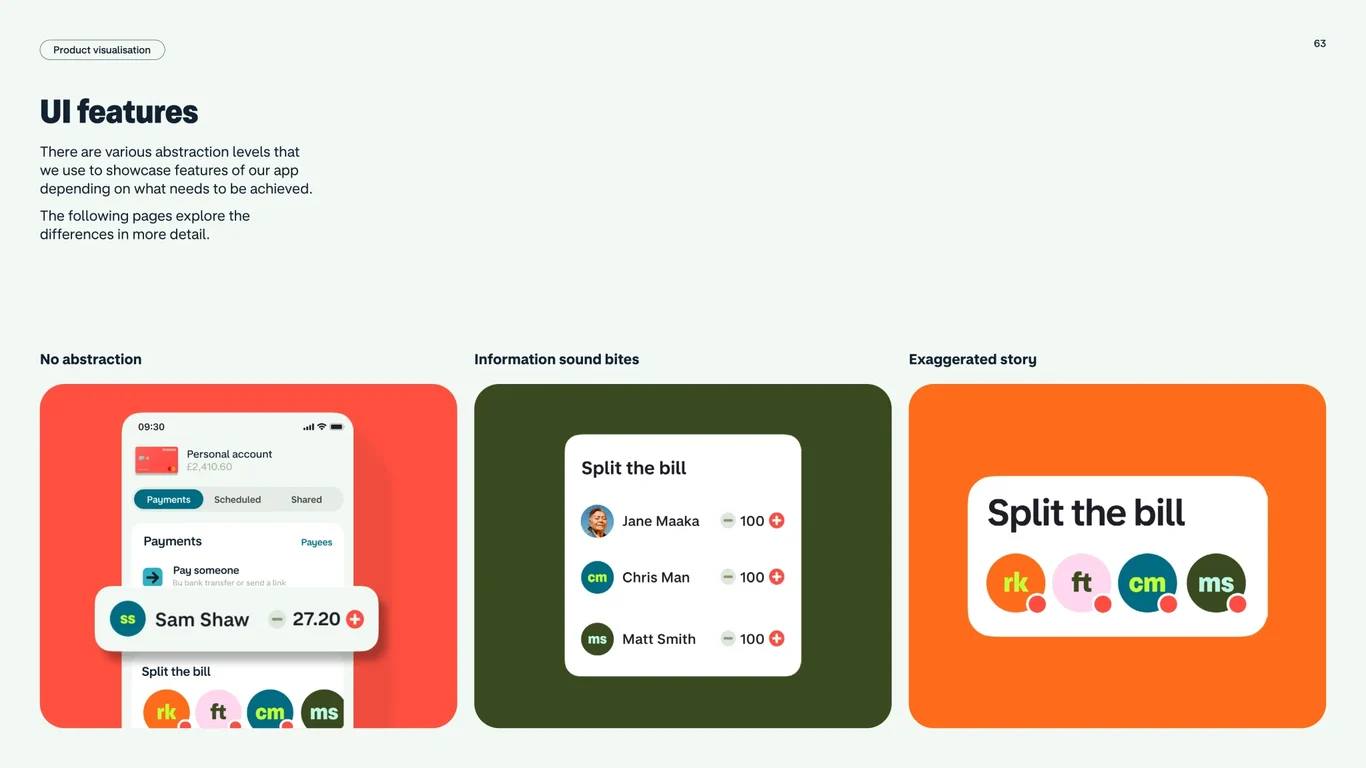
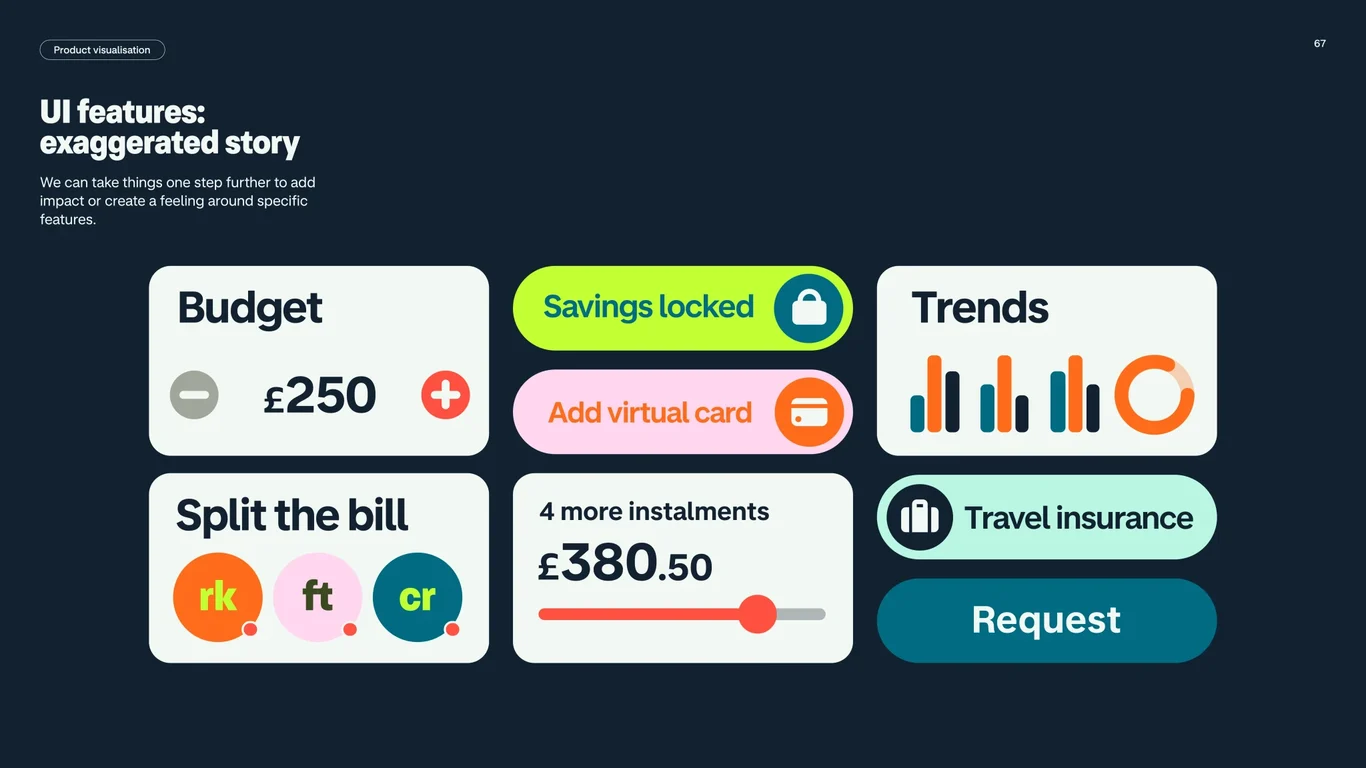
  63. Mockups of additional product features demonstrating variety of screen types 64
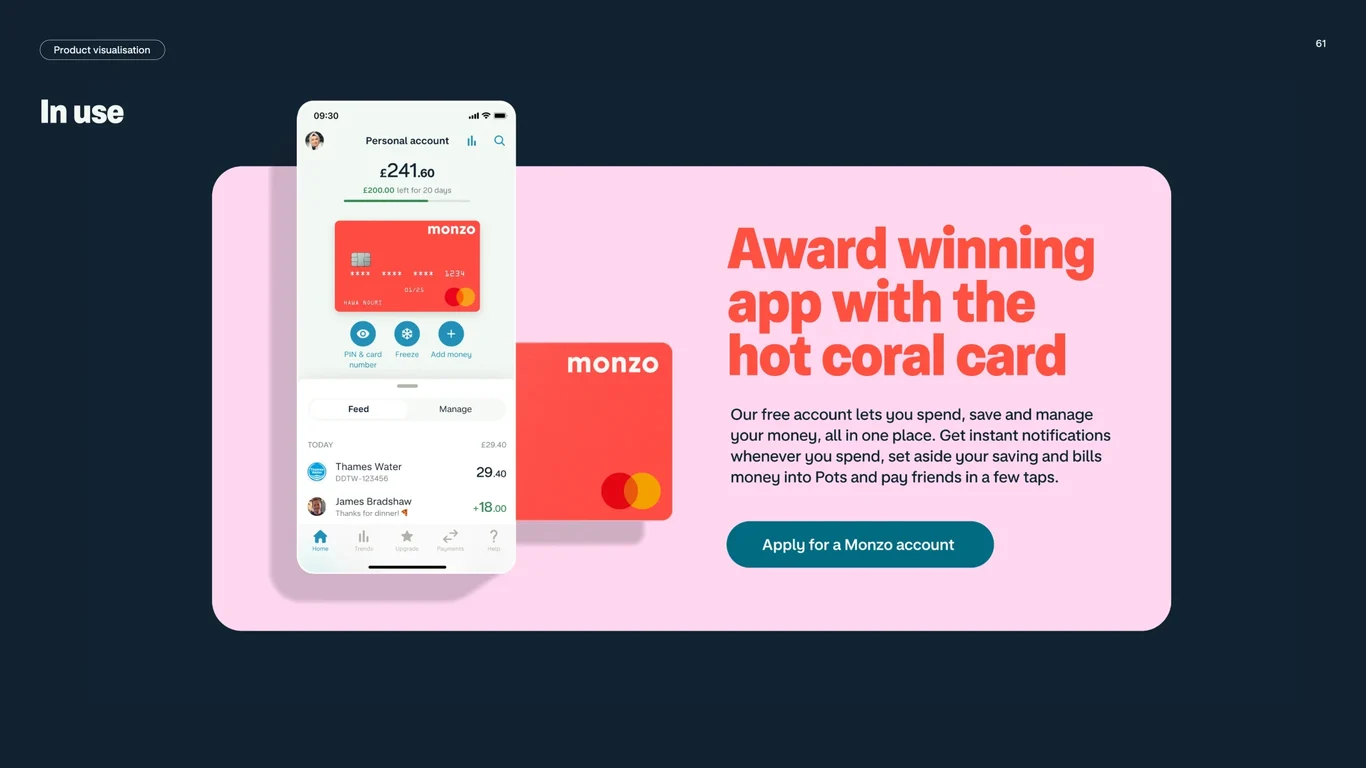
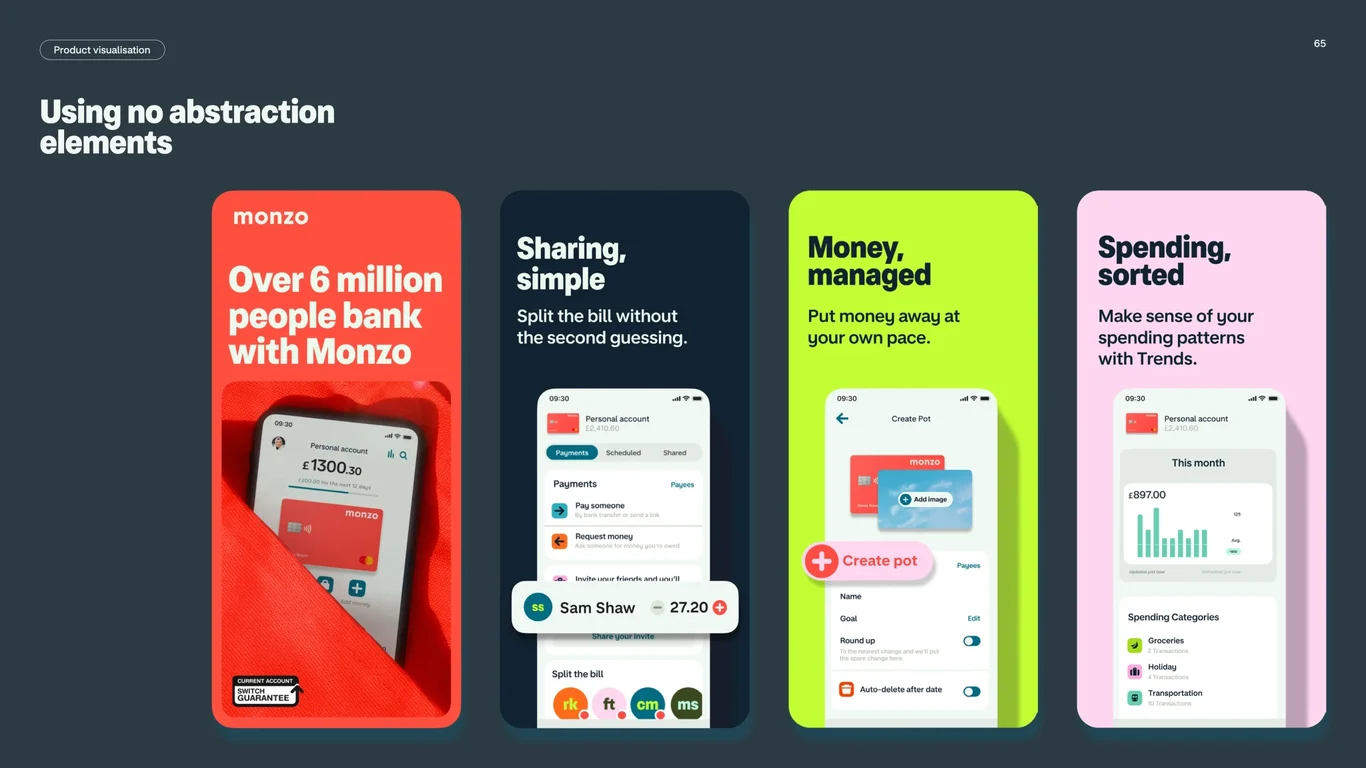
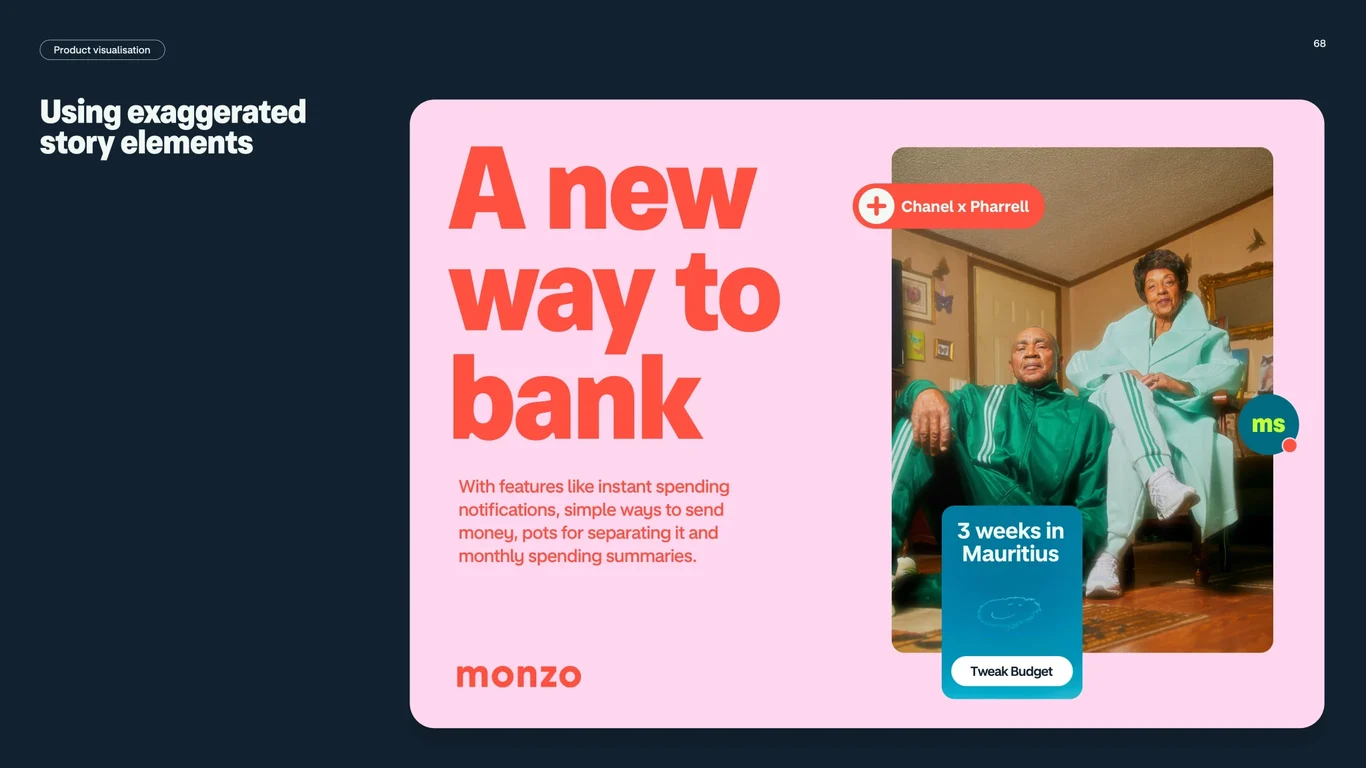
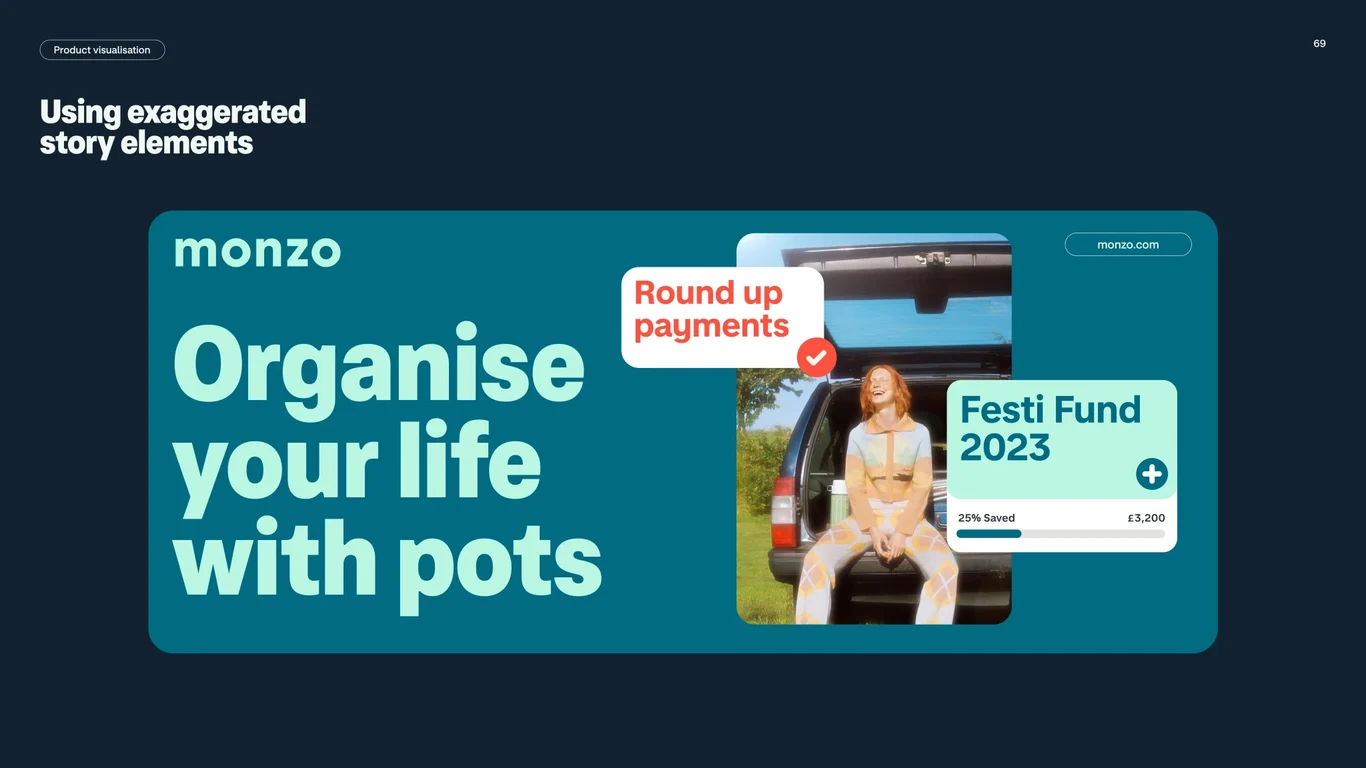
  64. How brand imagery integrates within product visualization, marketing materials 65
  65. Examples demonstrate brand application across marketing materials, product interfaces 66
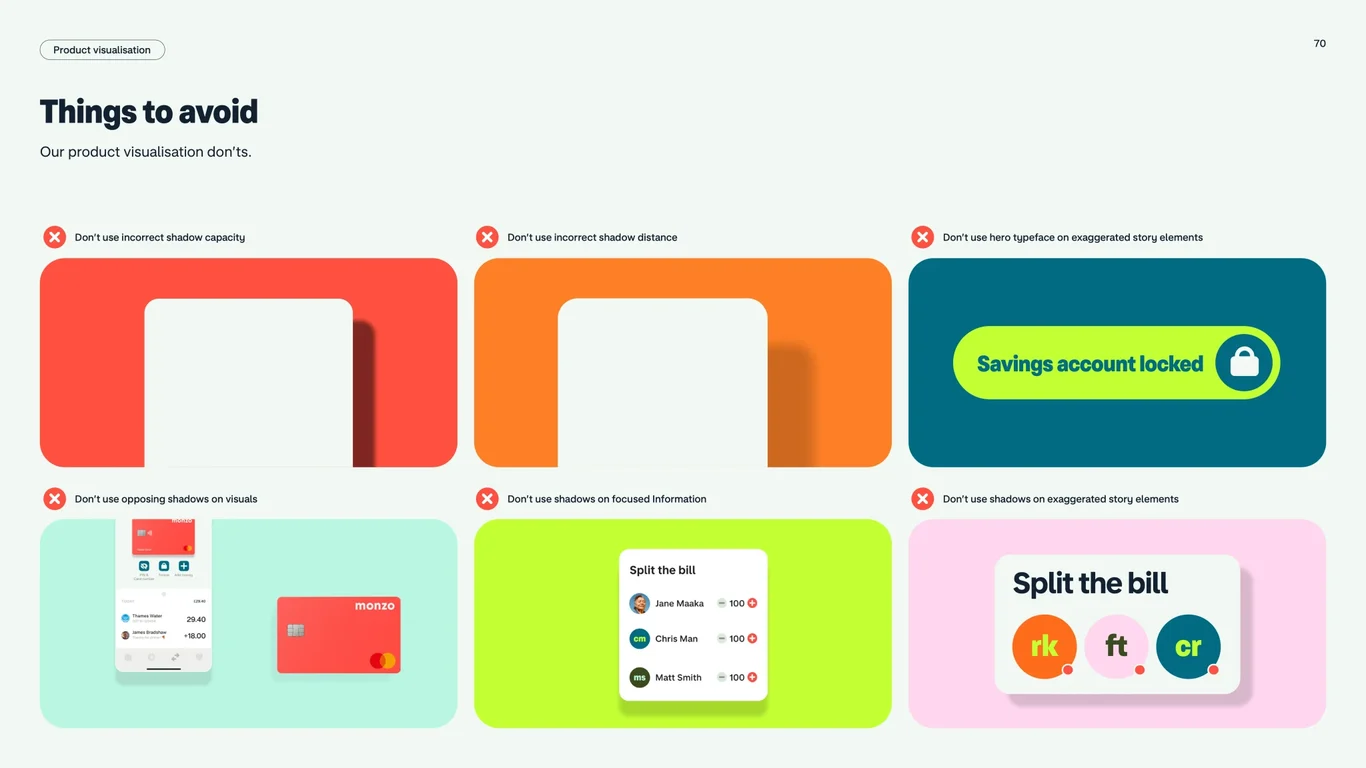
  66. Brand Elements in Product 67
  67. Consistency Across All Channels 68
  68. Product Within Brand System 69
  69. Spacing and alignment guidelines ensure consistent product design structure 70
  70. Identity overview section summarizes complete brand system, key elements 71
  71. Examples demonstrate brand application across various customer touchpoints and communication 72
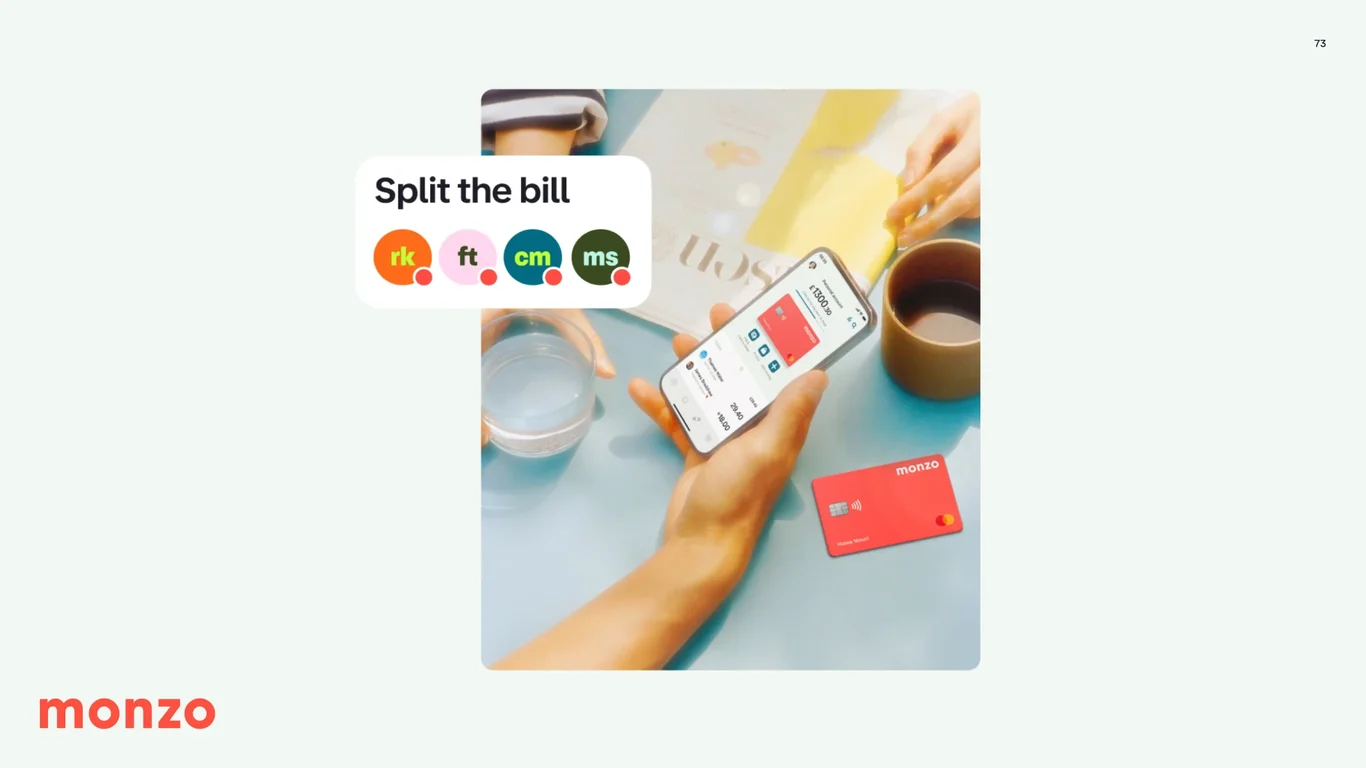
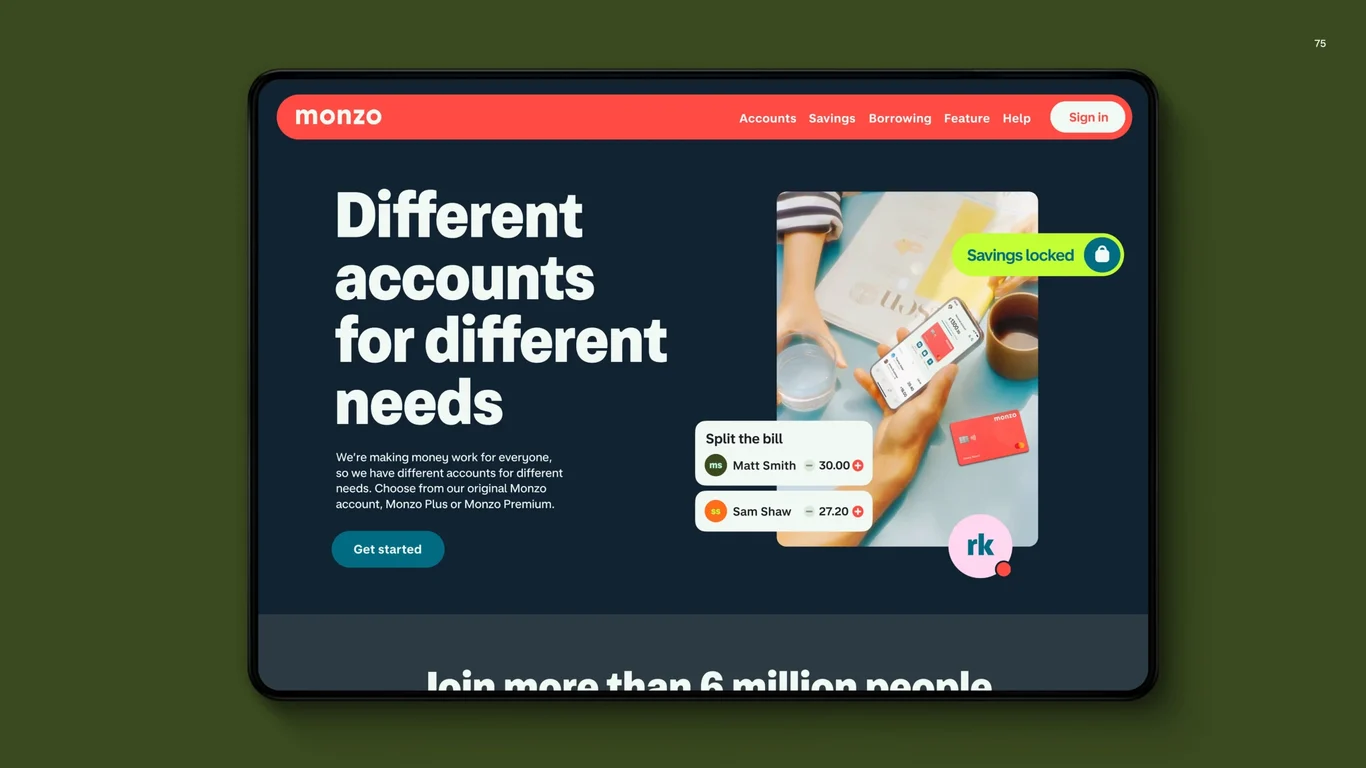
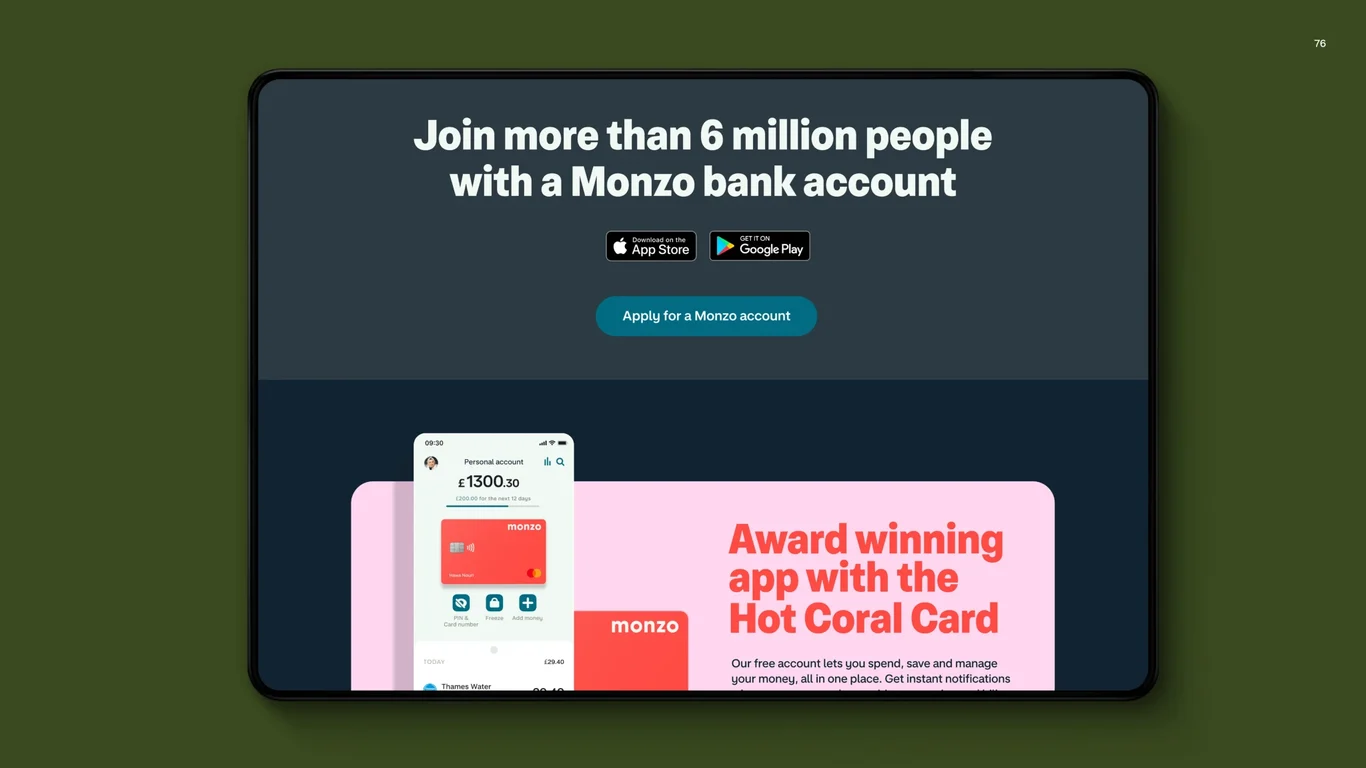
  72. Consistent brand identity expression across diverse applications, channels, and contexts 73
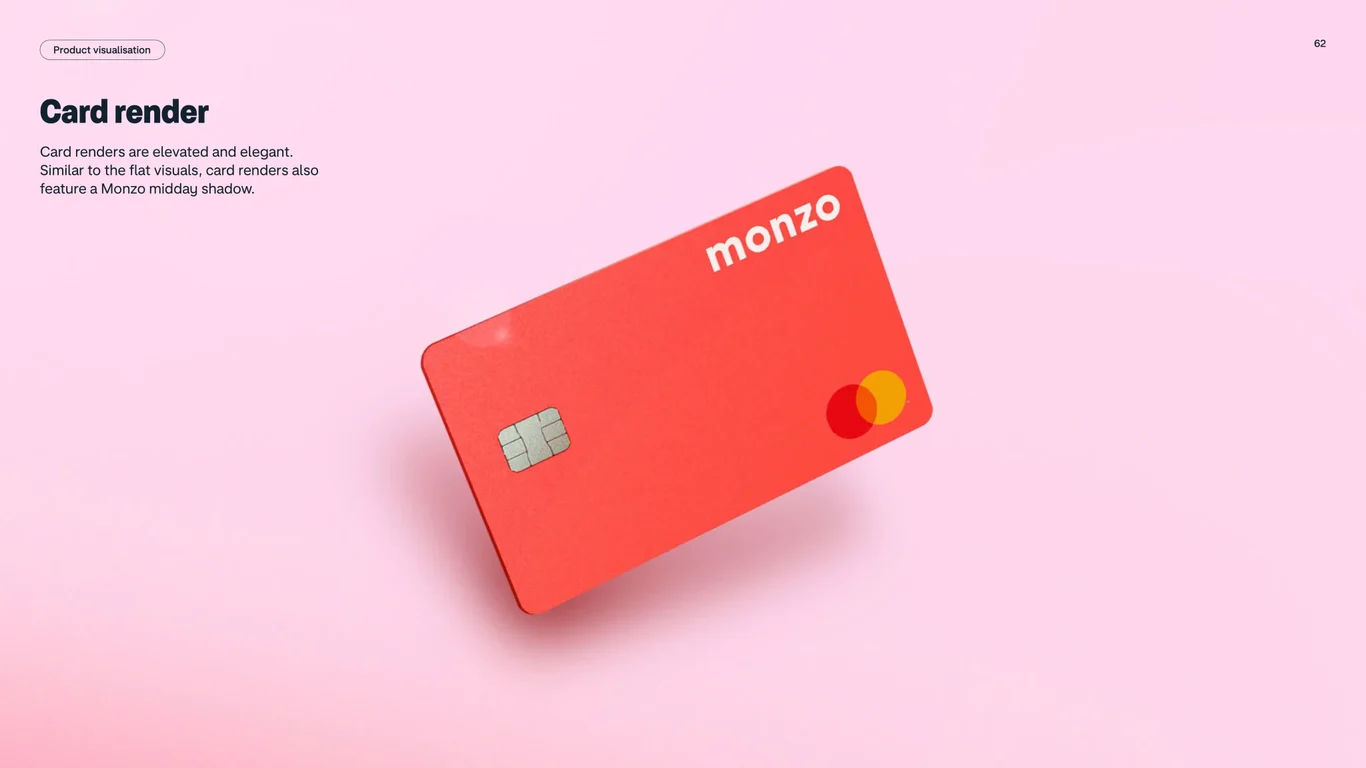
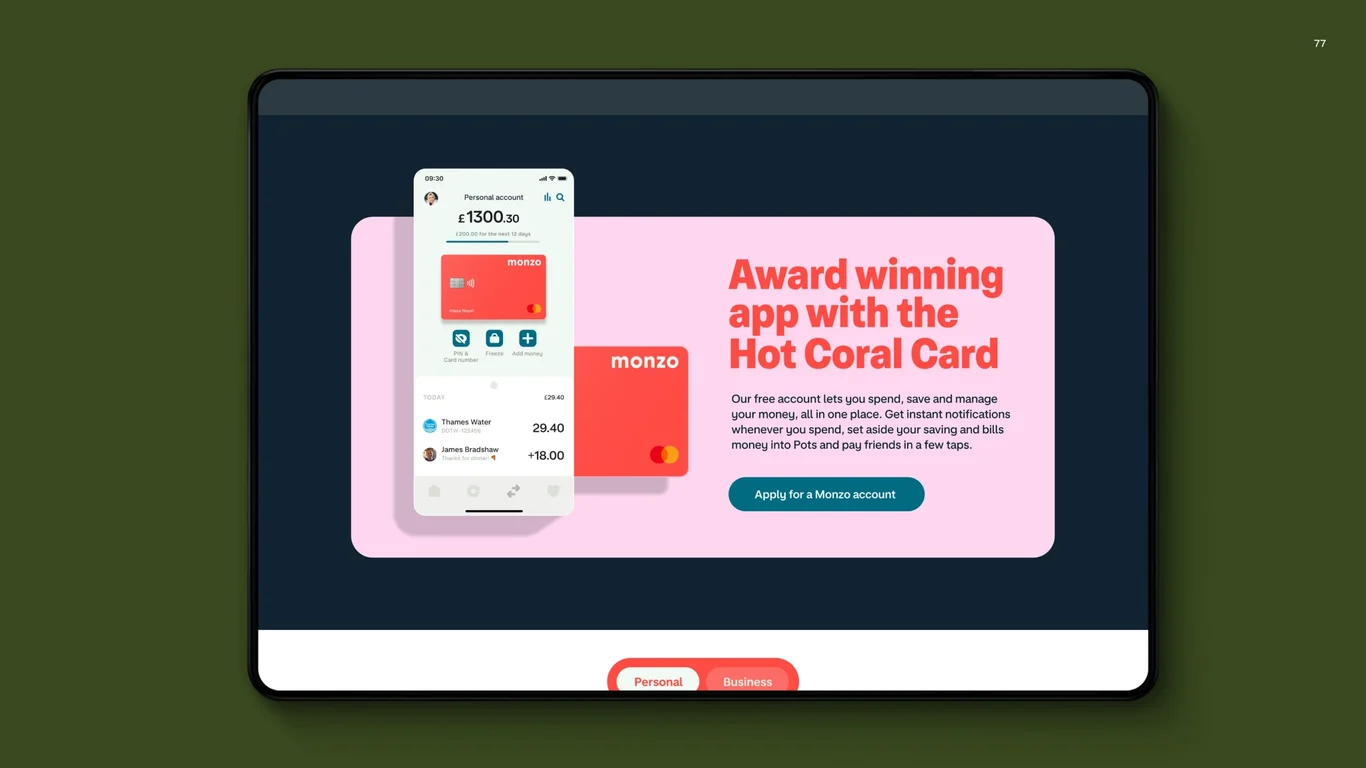
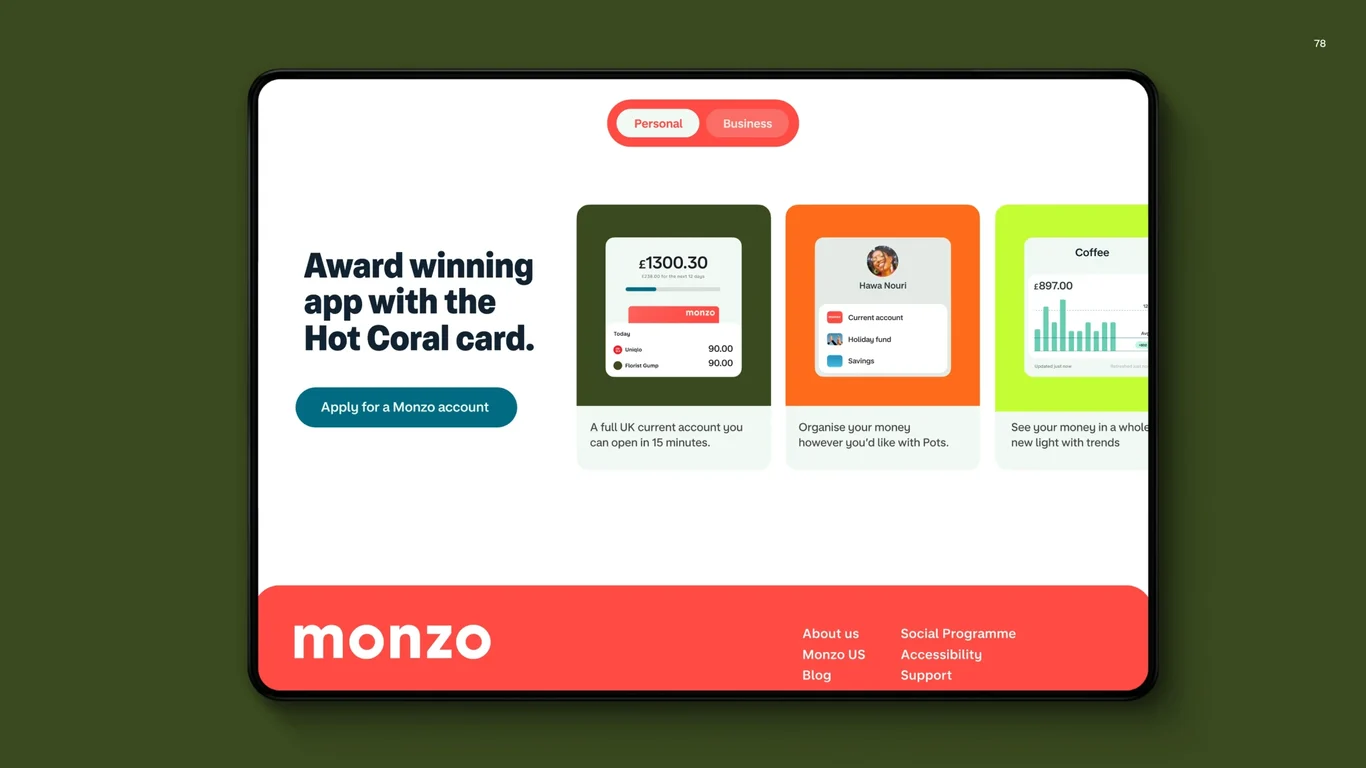
  73. Card and Packaging Design 74
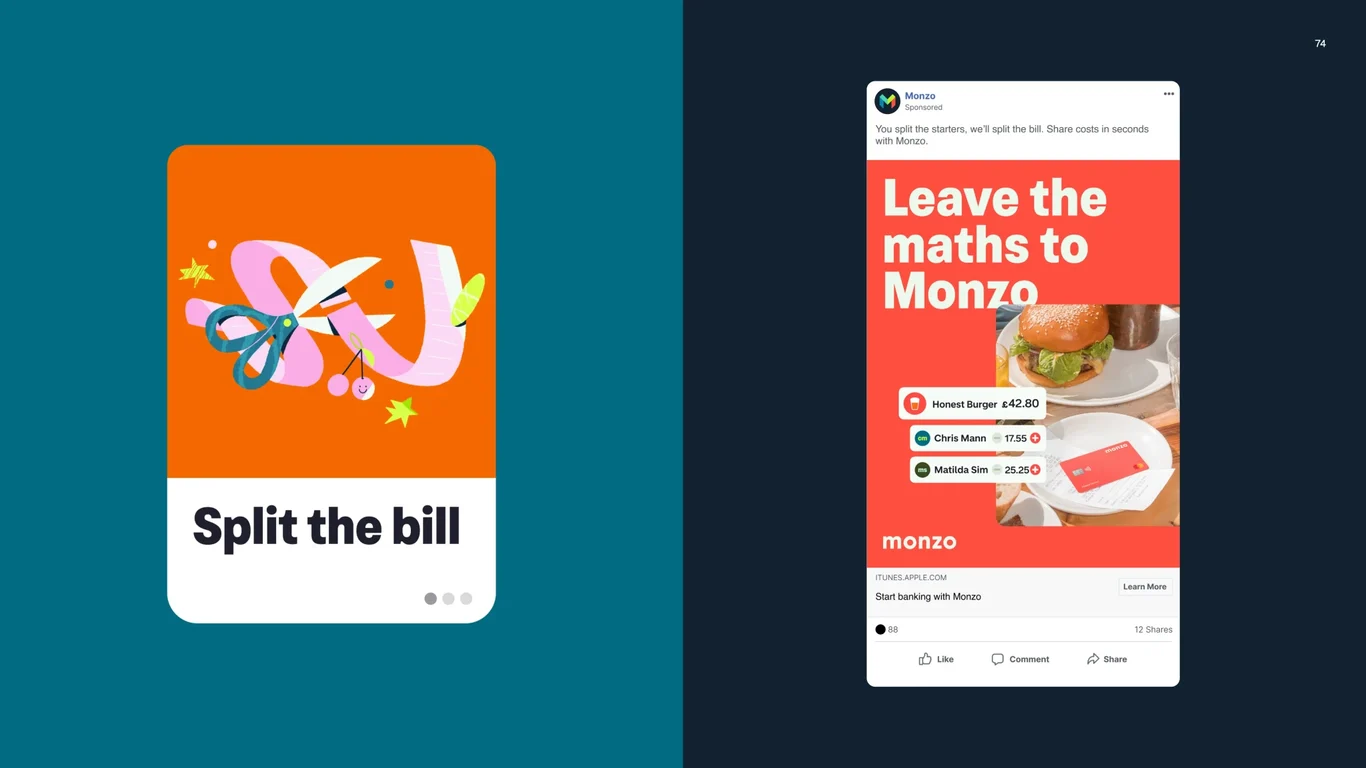
  74. Mockups of marketing and promotional materials showing consistent brand identity 75
  75. Examples demonstrate brand application and presence across digital communication channels 76
  76. Comprehensive view of brand identity applied across physical and digital 77
  77. Complete brand ecosystem showing all system elements working together cohesively 78
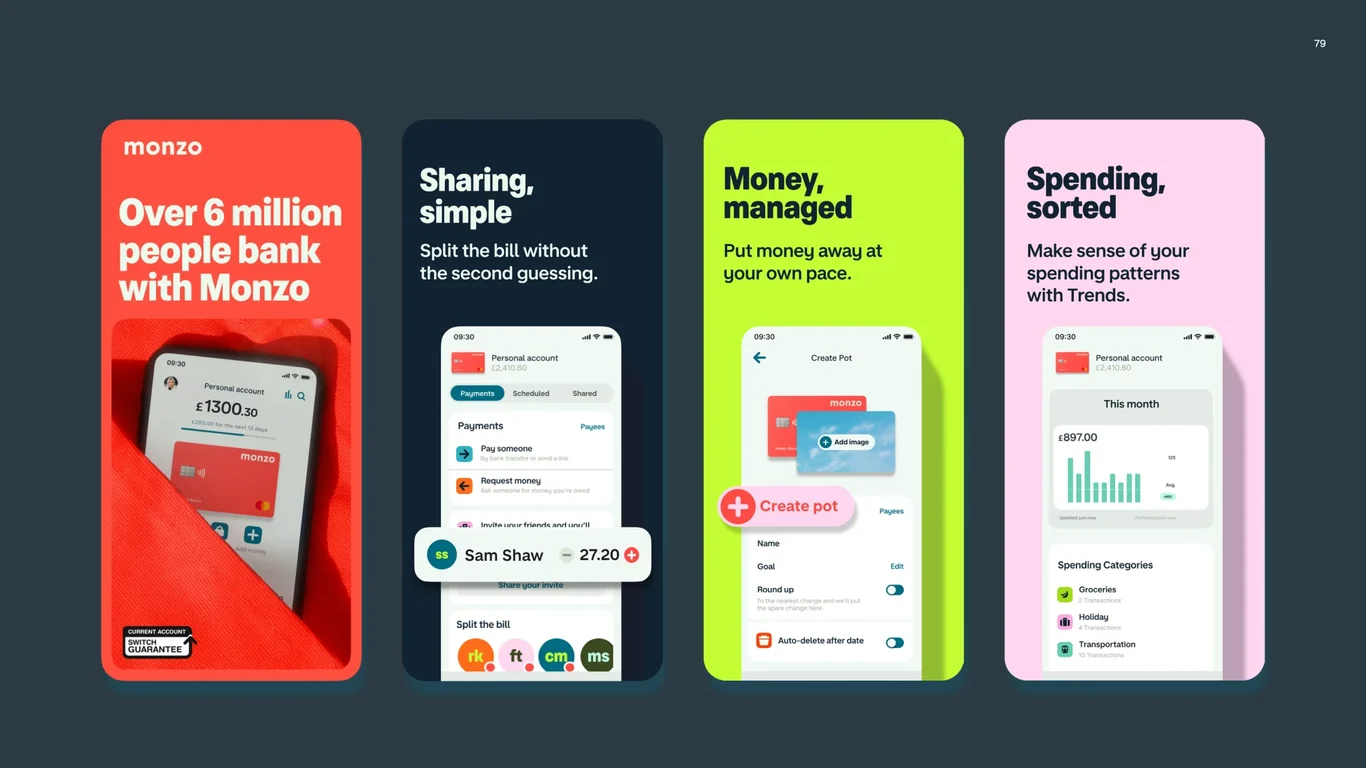
  78. Key Brand Standards Summary 79
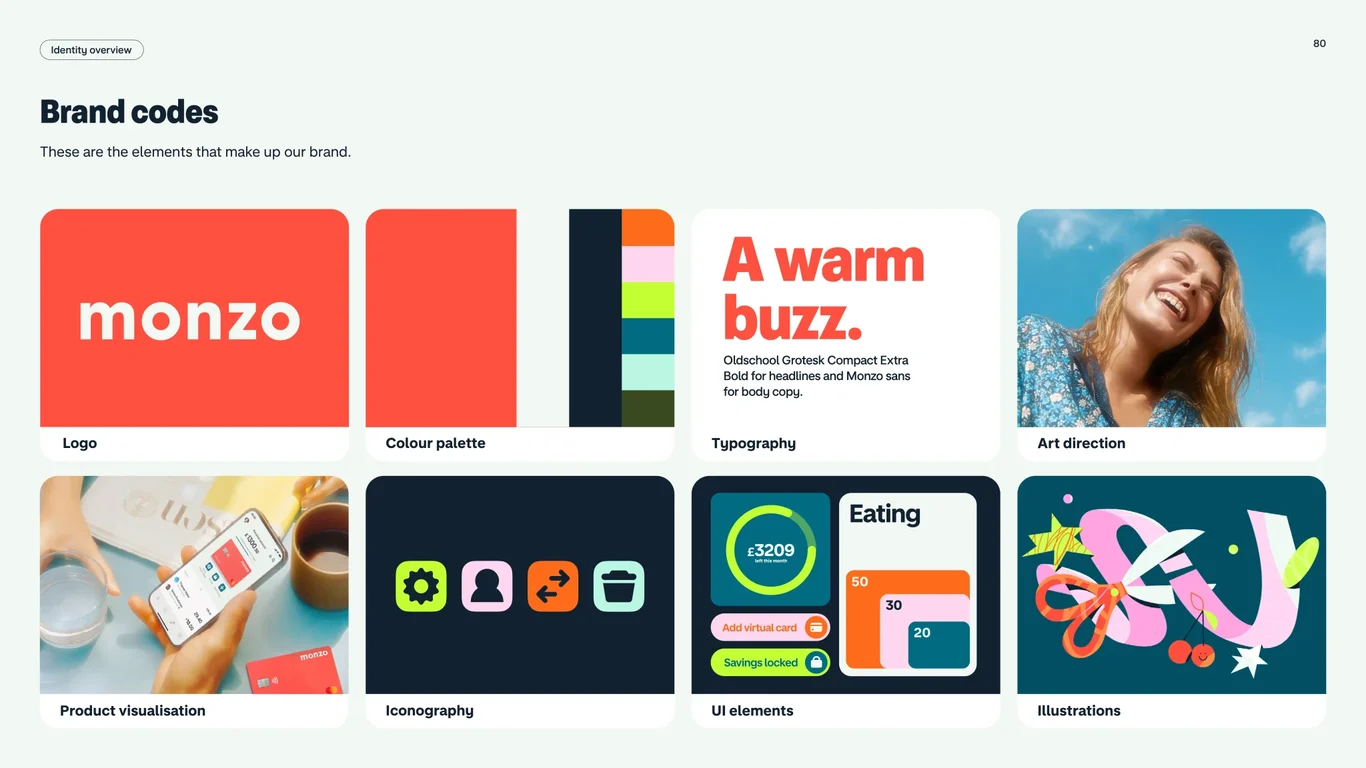
  79. Brand Codes Reference Guide 80
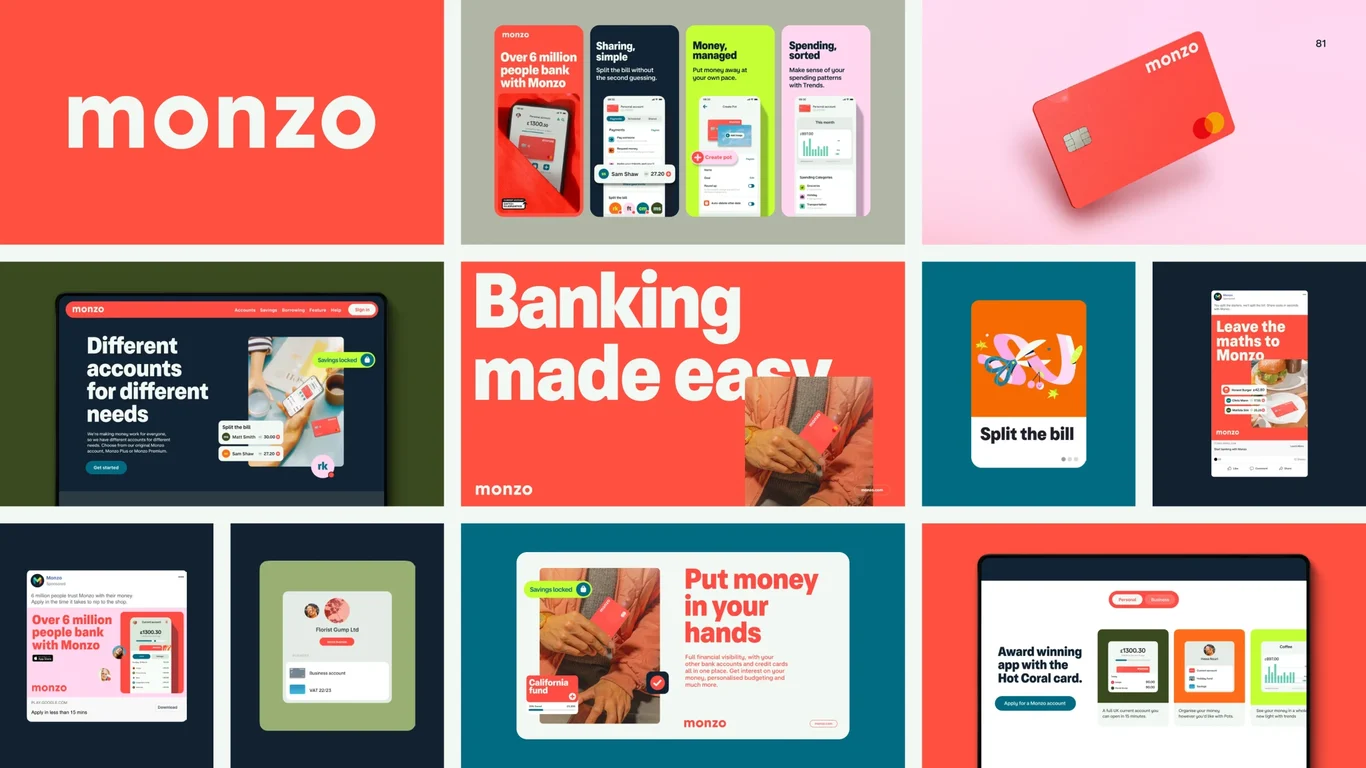
  80. Brand Codes Visual Reference 81
  81. Style Guide Complete Reference 82