Problem Slides: How 8 Pitch Decks Frame the Pain
The problem slide sets up everything a pitch deck does afterward; the solution can only be as compelling as the pain it answers. Across the gallery's published pitch decks, thirteen have tagged problem slides, and the interesting decks almost never use just one. Here's how eight of them frame the pain, and the patterns worth stealing.
The two-beat problem: symptom, then consequence
Linear's deck spends slides 3 and 4 on the problem, and they do different jobs. Slide 3 names the felt symptom: your issue tracker is a chore, cluttered, slow, over-complex. Slide 4 escalates to the business consequence: a tool nobody likes produces incomplete data and worse decisions. Symptom for the user, consequence for the buyer. One slide would have been a complaint; the pair is an argument.

The same sentence, two different decks
Fernand's problem slide reads: your current helpdesk feels like a chore to use. That's Linear's slide 3 with one noun swapped, down to the supporting complaints about cluttered UI and slow performance. Whether it's homage or template, it documents something real about the category: Linear's deck has become the default grammar for SaaS pitches, and its problem framing (the incumbent tool as daily friction) now travels between companies. If you use it, know that investors have seen the original.
The fork: both options are bad
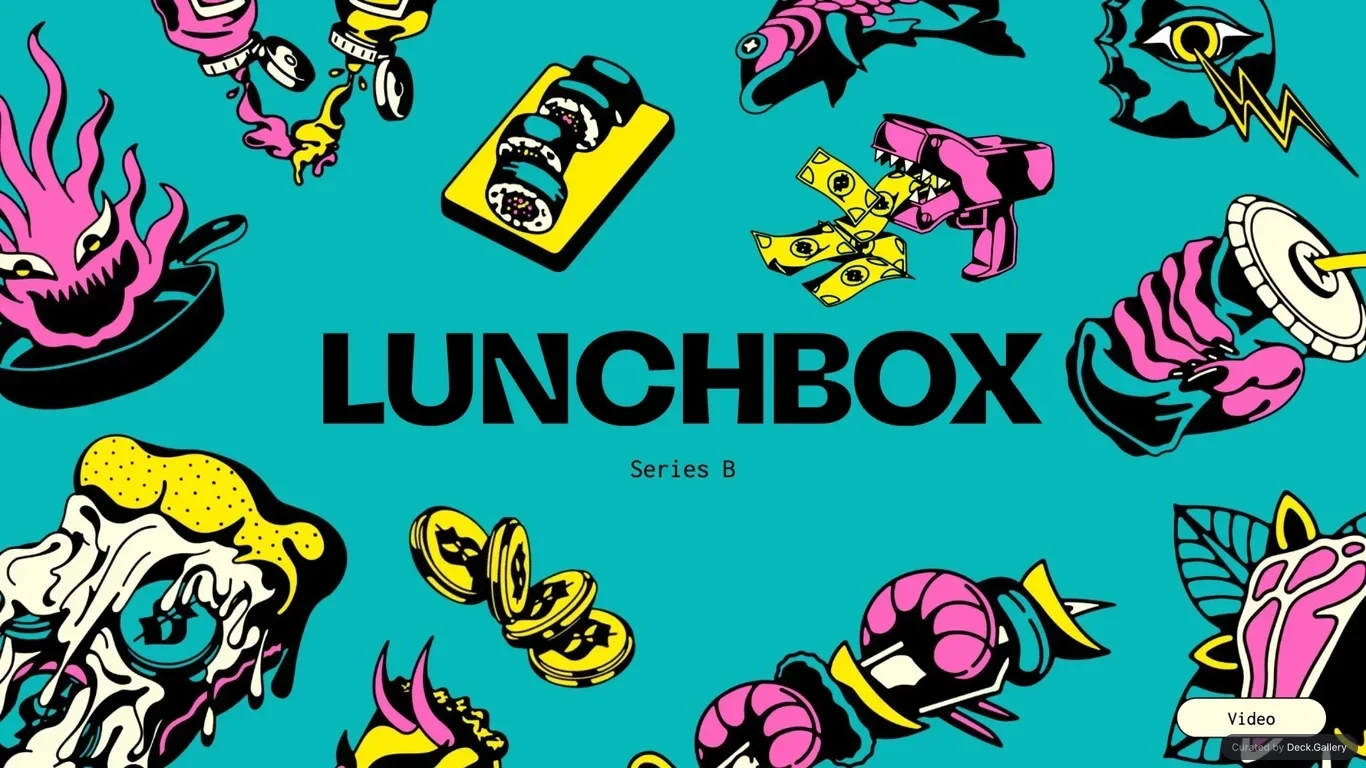
Lunchbox structures its two problem slides as a trap with two doors. Slide 4: third-party ordering platforms take commissions that gut restaurant margins. Slide 5: building your own, the SweetGreen route, means integrating fragmented vendors at a cost of $10 million a year. Buy is bad, build is worse, and the solution slide inherits a market with no acceptable alternative. This is the strongest problem structure in the gallery for any company selling against both an incumbent and DIY.
The quantified exclusion
Verse's deck is five slides long and two of them are problems, both carried by numbers. Slide 2: clean-power procurement costs up to $1 million in transaction expenses per 100 MW agreement. Slide 3: only 2% of US electric demand can buy clean power directly, and over half of that goes to four tech companies. No adjectives are doing any work; the numbers are the pain. In a deck with no traction or team slide, the problem statistics carry the entire investment case.

The question as problem
Arkive opens its problem section with a hypothetical rather than a pain point: what if the Smithsonian was owned and curated by the internet? Then slide 3 lands the statistics that make the question urgent: major museums display less than 5% of their collections, 89% of board members are white, three quarters are over 50. The order matters. The question creates the frame, the demographics make the status quo indefensible inside it. For a company inventing a category, a question can do what a complaint can't: define the axis the incumbents lose on.
The inertia framing
Perplexity's ads deck has no villain and no suffering user. Its problem is stasis: search has meant ten blue links for two decades, and complex questions still return lists instead of answers. Framing the problem as industry inertia rather than product failure is the right move when the incumbent (Google) is beloved and functional; you're not claiming it's broken, you're claiming it stopped moving.
The category critique
Smalls and Superlist each compress the problem into a single slide indicting a whole category: premium cat food brands advertise heavily without product differentiation; task management hasn't been rethought for distributed, mobile-first, multi-meeting work. Single-slide problems work when the audience already lives the pain and the deck's real argument is elsewhere (brand for Smalls, team pedigree for Superlist).
Patterns worth stealing
- Pair the slides: felt pain, then structural pain. Linear, Lunchbox, Verse, and Arkive all run two problem slides where the second escalates or quantifies the first.
- Put a number on the pain. $10M a year to build your own, $1M per PPA, 2% access, under 5% displayed. The decks that quantify the problem don't need to oversell the solution.
- Match the framing to the incumbent. Hated incumbent: name the friction (Linear). Respected incumbent: name the inertia (Perplexity). No incumbent: ask the question that creates the category (Arkive).
- Don't borrow a famous deck's sentence. The Linear/Fernand duplication is a useful warning; a problem framing loses force with every deck that reuses it.
For how these same decks handle the other end of the argument, read the traction slide study, and for how problem slides fit whole-deck structures, the short pitch decks roundup. Browse all pitch decks in the gallery for the full set.